

An AI air conditioner like the LG Dualcool Air AI is changing how we think about home cooling. It adds a layer of intelligence and automated management for tasks that used to fall on the user, such as cleaning, energy efficiency, and maintenance.
Summer is many people's favorite season, with longer days and more daylight to enjoy after work or during vacations. But it comes with a side effect: the heat. And summer temperatures are rising year after year, making indoor spaces uncomfortable or even unbearable when the thermometer climbs.
Find Original Home Decor sparking conversation at Grand Goldman Shop.

Air conditioning is the immediate solution, but if you don't choose wisely, what seemed like a fix can become a problem. Direct airflow can be more uncomfortable than the heat itself, electricity bills can skyrocket without efficient usage patterns, and bacteria or pathogens can proliferate inside the unit, affecting health.
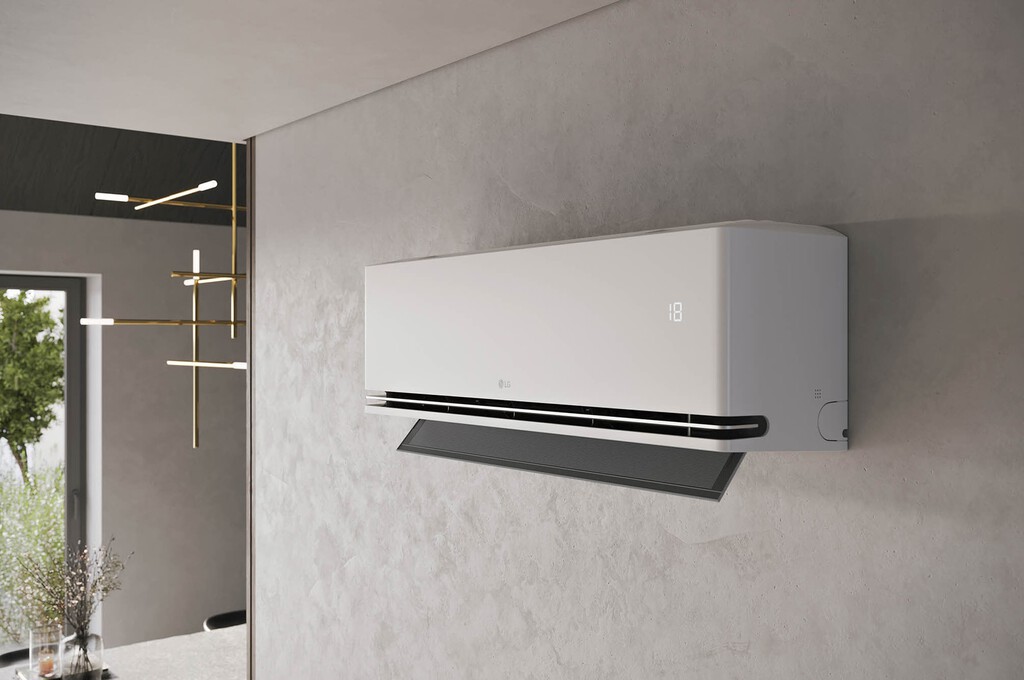
Why Traditional AC Falls Short
Conventional air conditioners require constant manual adjustments. Users must set the temperature, fan speed, and timer, often guessing what will be most efficient. This leads to wasted energy and inconsistent comfort.
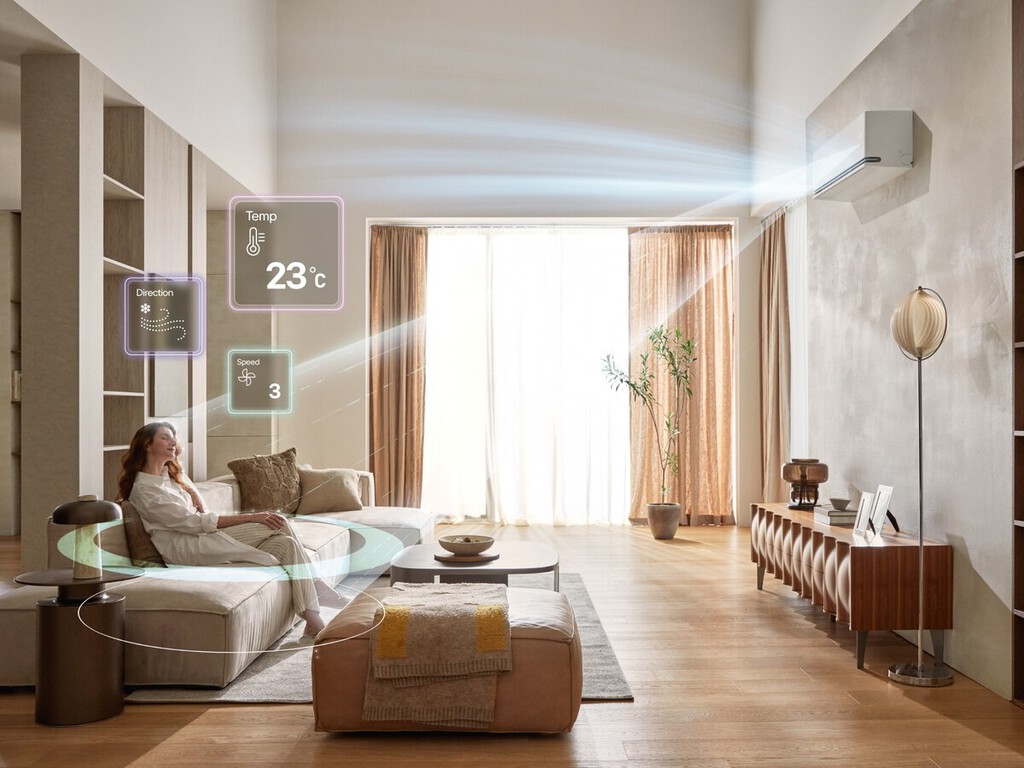
Moreover, the direct blast of cold air can cause discomfort, especially if the unit is poorly positioned. And without regular cleaning, internal components become breeding grounds for mold and bacteria, which then circulate through the room.

These issues are exacerbated in extreme heat, when the AC works harder and longer, driving up costs and wear. The need for a smarter approach is clear.
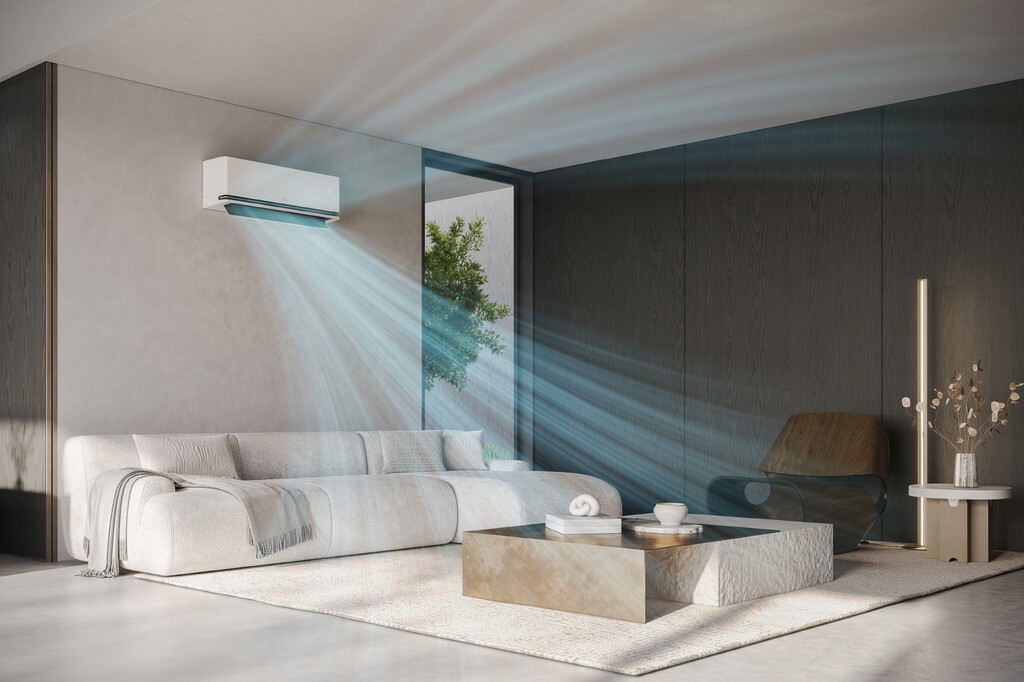
How AI Air Conditioners Work
AI-powered air conditioners use sensors and algorithms to learn your preferences and optimize performance. They can detect room occupancy, temperature fluctuations, and humidity levels, adjusting settings automatically.
For instance, the LG Dualcool Air AI uses artificial intelligence to manage energy consumption, personalize airflow, and even self-clean. This means less manual intervention and more consistent comfort.
The system can also predict your schedule based on usage patterns, pre-cooling or reducing output when you're away. This level of automation ensures efficiency without sacrificing comfort.
Key Benefits of AI Air Conditioners
- Energy savings: AI optimizes cooling cycles to reduce electricity consumption.
- Personalized comfort: Adjusts airflow direction and intensity based on occupancy and preferences.
- Self-cleaning: Automatically removes moisture and debris to prevent bacterial growth.
- Low maintenance: Alerts you when filters need changing or service is required.
- Healthier air: Reduces allergens and pathogens through automated cleaning cycles.
Comparing Features: Traditional vs. AI Air Conditioners
| Feature | Traditional AC | AI AC (e.g., LG Dualcool Air AI) |
|---|---|---|
| Energy Efficiency | Manual settings, often inefficient | Auto-optimized for minimal energy use |
| Airflow Control | Fixed or manual adjustment | Personalized, adaptive airflow |
| Cleaning | Manual, often neglected | Self-cleaning cycles |
| Maintenance Alerts | None or basic | Smart notifications |
| Comfort | Can cause cold spots | Even, consistent cooling |
What This Means for Your Electricity Bill
One of the biggest concerns with air conditioning is the cost. AI air conditioners address this by optimizing performance in real-time. They adjust compressor speed and fan settings to maintain the desired temperature with minimal energy waste.
According to LG, the Dualcool Air AI limits what you pay on your electricity bill through intelligent energy management. It learns your habits and adapts, ensuring you're not cooling an empty room or overworking the system.
Over time, these small adjustments add up to significant savings, making the higher upfront cost of an AI model worthwhile.
The Health Factor: Self-Cleaning and Air Quality
Traditional AC units can harbor bacteria and mold if not cleaned regularly. This can lead to respiratory issues and allergies. AI air conditioners with self-cleaning features automatically dry the interior and remove contaminants, reducing health risks.
The LG Dualcool Air AI, for example, automates cleaning tasks that users often forget. This not only improves air quality but also extends the lifespan of the unit.
For households with children, elderly members, or allergy sufferers, this is a crucial benefit.
What to Watch Next
As AI technology advances, we can expect even more sophisticated features, such as integration with smart home systems and voice control. Manufacturers are also focusing on sustainability, with eco-friendly refrigerants and energy-efficient designs. The background to this story is set out in Carrefour Portable Air Conditioner: Beat the Heat for Less. A related thread runs through Carrefour Portable Air Conditioner: Beat Summer Heat Without Renovations. Earlier coverage in Best Fans 2026: Tried & Tested for Energy-Efficient Cooling shows how the argument developed.
Consumers should look for models with energy star ratings and AI capabilities that match their lifestyle. The LG Dualcool Air AI is a prime example of how AI can make cooling smarter, cheaper, and healthier. A closer look at the same subject appears in Portable Air Conditioner Deal at Carrefour: Infiniton PAC-S10 Review. Anyone following the wider picture can start with Air Conditioner Maintenance: How to Do It Correctly and Safely. The same theme surfaces in Quiet Portable Air Conditioner: Top 5 Models and Buying Guide, which takes a different angle.
With summers getting hotter, investing in an AI air conditioner is not just about comfort—it's about managing costs and protecting your health. Context on how this played out before sits in Ultenic MX50 Robot Vacuum Review: Self-Cleaning Convenience. A companion piece, Heatwave Puzzle: Physicist Explains Curtain Energy Efficiency, approaches the same subject from another angle.
FAQ
What is an AI air conditioner?
An AI air conditioner uses artificial intelligence to automatically adjust settings like temperature, fan speed, and cleaning cycles. It learns from your usage patterns to optimize comfort and energy efficiency.
How does AI save on electricity bills?
AI optimizes cooling cycles in real-time, avoiding wasted energy by not over-cooling or running when unnecessary. It adapts to your schedule and preferences, reducing consumption.
Is self-cleaning effective?
Yes, self-cleaning cycles remove moisture and debris from internal components, preventing mold and bacteria growth. This improves air quality and reduces manual maintenance.
Are AI air conditioners worth the investment?
They cost more upfront but save on energy bills and maintenance over time. Plus, they offer better comfort and healthier air, making them a worthwhile long-term investment.







