

Car subscriptions are reshaping how automakers sell features, turning once-standard equipment into recurring revenue streams. A recent example involving a Honda Passport owner has brought this trend into sharp focus, highlighting the growing tension between convenience and cost.
The owner, sharing his experience on Reddit, discovered that the garage door opener function his vehicle previously had built-in is now part of a subscription package. The story, reported by CarBuzz, illustrates a broader shift in the auto industry: manufacturers are determined to transform their vehicles into platforms for ongoing income, with software as the primary tool.
Find Original Home Decor sparking conversation at Grand Goldman Shop.

What Happened with the Honda Passport?
The Honda Passport in question no longer includes a rearview mirror with integrated Homelink, the system that lets you sync your car with a garage receiver via radio frequency. Instead, the function is now offered through the MyQ app, integrated into HondaLink.
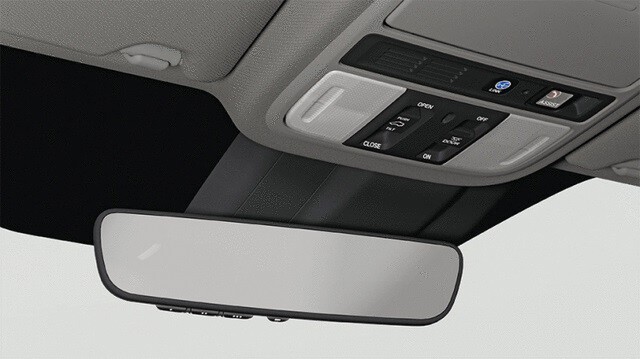
To make it work, the owner needs an internet connection in the car, Apple CarPlay or Android Auto, and a MyQ receiver connected to the home Wi-Fi. The result is a system that adds technical complexity to something that was once handled by a small radio remote clipped to the visor.
Honda confirmed to CarBuzz that customers receive a trial period for the service, after which they must subscribe to continue using it. The automaker frames this as part of its connected services strategy, but for many drivers, it feels like paying extra for something that used to come free.
Why Automakers Are Pushing Subscriptions
The automotive industry is facing a fundamental shift. Profit margins on new car sales are shrinking, and the costs of developing electric and autonomous vehicles are soaring. Automakers see subscriptions as a way to stabilize revenue and fund innovation.
Software-defined vehicles allow manufacturers to unlock features remotely, creating opportunities to charge for services that were previously bundled into the purchase price. This model, often called "feature-as-a-service," is becoming increasingly common.
But it's not just about revenue. Automakers argue that subscriptions enable continuous updates and improvements, and that customers only pay for what they use. However, the reality is more nuanced, as the Honda example shows.
The Complexity Problem
One of the biggest criticisms of subscription-based features is the added complexity. In the Honda case, what was once a simple radio remote is now a multi-step process requiring an internet connection, a smartphone app, and a home Wi-Fi receiver.
This complexity can be frustrating for users, especially when the original solution worked flawlessly. It also raises questions about reliability: if the internet goes down or the app fails, the feature becomes unavailable.
Moreover, the shift to app-based systems can create security and privacy concerns, as data is transmitted over the internet. Automakers must address these issues to build trust with consumers.
What This Means for Car Buyers
For consumers, the rise of car subscriptions means they need to read the fine print carefully. Features that were once standard may now require a subscription after a trial period. It's essential to understand what's included and what's not before signing on the dotted line.
Buyers should also consider the long-term costs. A subscription that seems cheap initially can add up over years of ownership. In some cases, it may be more economical to choose a vehicle that includes the features you want upfront.
Additionally, the resale value of a car with subscription-based features may be affected. If the subscription doesn't transfer to the next owner, the car's appeal could diminish.
The Future of Car Features
The Honda Passport example is just one of many. Other automakers are experimenting with subscriptions for everything from heated seats to advanced driver-assistance systems. The industry is still figuring out what customers will accept. The background to this story is set out in Chinese Car Manufacturing Cost Advantage: A Threat to Traditional Automakers. A related thread runs through Honda Tests Wireless Charging Roads to Power EVs on the Move. Earlier coverage in Chinese Automakers to Hold 15% of European Car Sales, Analyst Says shows how the argument developed.
Some brands have already backtracked after consumer backlash. For instance, BMW faced criticism for charging for heated seats and later revised its approach. This suggests that while subscriptions are here to stay, automakers must tread carefully. A closer look at the same subject appears in Honda Cancels Big Electric SUV — Industry Shock. Anyone following the wider picture can start with Car: latest articles. The same theme surfaces in Ferrari Luce Interior Revealed: Jony Ive's Bold Stand Against Big Touchscreens, which takes a different angle.
Ultimately, the success of car subscriptions will depend on delivering real value. If customers feel they're paying for something that should be standard, they'll push back. But if subscriptions offer genuine convenience and innovation, they may embrace the model. Context on how this played out before sits in Singapore Car Ownership: Why Driving Is the Ultimate Luxury. A companion piece, Helsinki Opens World's Longest Pedestrian and Tram Bridge, approaches the same subject from another angle.
Key Takeaways
- Car subscriptions are becoming more common as automakers seek recurring revenue.
- The Honda Passport's garage opener is now part of a subscription service, requiring extra hardware and connectivity.
- Complexity and reliability are major concerns for consumers.
- Buyers should carefully review what features are included and what requires a subscription.
- Consumer backlash can influence automakers' subscription strategies.
Comparison of Traditional vs. Subscription-Based Features
| Aspect | Traditional Feature | Subscription-Based Feature |
|---|---|---|
| Cost | Included in purchase price | Recurring fee after trial |
| Complexity | Simple, self-contained | Requires app, internet, additional hardware |
| Reliability | Works without connectivity | Depends on network and app |
| Upgradability | Limited | Can be updated remotely |
| Resale impact | Feature stays with car | May not transfer to new owner |
FAQ
What is a car subscription?
A car subscription is a service model where automakers charge a recurring fee for certain features or services, such as connected apps or advanced driver assistance. It differs from traditional ownership where features are included in the purchase price.
Why did Honda change the garage opener to a subscription?
Honda integrated the garage opener into its HondaLink connected services, which requires a subscription after a trial period. The automaker says this allows for continuous updates and integration with smart home systems.
Are car subscriptions worth it?
It depends on the feature and your usage. Subscriptions can offer flexibility and access to new features, but they also add ongoing costs and complexity. Consider your long-term needs and budget before committing.
Can I avoid car subscriptions?
Yes, by choosing vehicles that include desired features as standard or by opting for older models. However, as subscriptions become more prevalent, it may be harder to avoid them entirely.







