

Arthur Schopenhauer, the 19th-century German philosopher, once wrote that the first forty years of our life supply the text; the next thirty, the commentary. This aphorism, from his later work Parerga and Paralipomena, offers a powerful lens for understanding how we make sense of our existence. In an age obsessed with youth and instant gratification, Schopenhauer's metaphor invites us to reconsider the value of experience and the long arc of a life.
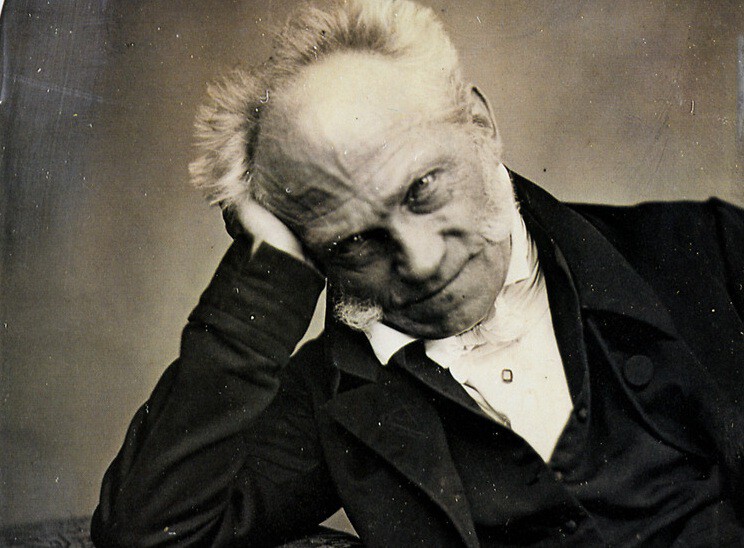
Schopenhauer is often remembered as the philosopher of pessimism, a dour figure whose portrait shows him old, unkempt, and severe. Yet his reflections on how we live—not just why we suffer—have made him a enduring guide for anyone seeking clarity in a complicated world.
Find Original Home Decor sparking conversation at Grand Goldman Shop.

The Life-as-Book Metaphor Explained
Schopenhauer's analogy is deceptively simple: just as a novel or a play follows an internal structure that gives it coherence, a human life can be divided into chapters that explain one another. The first four decades are the text—the raw events, choices, and experiences that form the narrative. The following thirty years are the commentary—the reflection, interpretation, and wisdom that we bring to that text.
This is not a rigid schedule but a framework for understanding why the later years can feel more meaningful. As Schopenhauer suggests, the commentary is not merely an add-on; it is what gives the text its depth. Without reflection, the events of our lives remain a jumble. With it, they become a story.
Why the First Forty Years Are the Text
In youth, we are busy accumulating experiences. We make mistakes, take risks, and build the scaffolding of our identity. These years are often chaotic and unreflective because we are too close to the action. The text is written in real time, without the benefit of hindsight.
Schopenhauer, who never married and lived a solitary life, understood that the first half of life is driven by impulse and desire. It is only later that we can step back and see the patterns.
Why the Next Thirty Years Are the Commentary
As we age, the pace of new experiences slows, and we gain the ability to look back. The commentary is not just memory; it is interpretation. We connect the dots, forgive ourselves for past errors, and find meaning in what once seemed random. This is the phase of wisdom, where we can finally read our own story with clarity.
Schopenhauer himself published Parerga and Paralipomena at the age of 63, a collection of essays that includes the Eudemonology, or the art of living well. It was only in his later years that he achieved the recognition he had long sought, a fact that underscores his belief in the value of the commentary phase.
Key Takeaways from Schopenhauer's Metaphor
- Life has a narrative structure that unfolds in two main phases: experience and reflection.
- The first forty years are for gathering the raw material of life—the text.
- The next thirty years are for interpreting and understanding that material—the commentary.
- Wisdom comes from reflection, not just from the passage of time.
- Later life can be more meaningful because it allows us to read our own story with insight.
Who Was Arthur Schopenhauer?
Arthur Schopenhauer (1788–1860) was a German philosopher best known for his work The World as Will and Representation. He was among the first Western thinkers to incorporate Eastern philosophy into his system, and his ideas influenced figures like Nietzsche, Wagner, and Freud. Despite his reputation as a pessimist, his writings on ethics, aesthetics, and the art of living continue to resonate.
His famous aphorism about the text and commentary comes from Parerga and Paralipomena, a collection of essays that he published near the end of his life. It is a fitting capstone to a career spent examining the human condition.
How the Metaphor Applies Today
In a culture that prizes youth and novelty, Schopenhauer's metaphor is a reminder that the later chapters of life are not a decline but a deepening. The commentary phase is where we integrate our experiences and find coherence. It is also where we can offer something valuable to others: the perspective that only comes from having lived.
For those in their twenties and thirties, the metaphor can be liberating: it suggests that the confusion and experimentation of early adulthood are not failures but necessary steps in writing the text. For those in midlife and beyond, it affirms that the best is not behind us—the commentary is still being written. The longer history behind the story is traced in Schopenhauer's Life Metaphor: First 40 Years Text, Next 30 Comment.
A Note on Schopenhauer's Pessimism
Schopenhauer's philosophy is often reduced to pessimism, but his Eudemonology is actually a guide to living as well as possible. He advises against expecting too much from the world, cultivating inner resources, and finding satisfaction in the present. The text-and-commentary metaphor fits this pragmatic approach: we cannot control the events of our lives, but we can control how we interpret them. The background to this story is set out in Nicholas Davey Obituary: Philosopher Who Bridged Art and Philosophy. A related thread runs through Anthony Kenny Obituary: Remembering a Philosophical Legend. Earlier coverage in Sir Anthony Kenny: Philosopher and Historian Dies at 95 shows how the argument developed.
What to Watch Next
As interest in Stoicism and practical philosophy grows, Schopenhauer's ideas are ripe for rediscovery. His emphasis on reflection and the long view offers a counterweight to the instant gratification of digital life. Expect to see more discussions of his Eudemonology and his life-as-book metaphor in popular philosophy circles. A closer look at the same subject appears in Bill Gates' Simple Philosophy for a Happy and Successful Life. Anyone following the wider picture can start with Trending: latest articles. The same theme surfaces in Honor Watch 6 Launches in Spain With 35-Day Battery and Discount, which takes a different angle.
Whether you are writing your text or composing your commentary, Schopenhauer's insight remains a powerful tool for making sense of the journey. Context on how this played out before sits in Poco X8 Pro Max: The Best Phone Under 500 Euros. A companion piece, Honor Watch 6 Review: The Smartwatch With the Best Battery Life, approaches the same subject from another angle.
FAQ
What did Schopenhauer mean by the text and the commentary?
Schopenhauer used the metaphor of a book to describe how life unfolds: the first forty years provide the raw experiences (the text), while the next thirty years offer reflection and interpretation (the commentary). This framework suggests that wisdom comes from looking back and finding meaning in our past.
Is Schopenhauer's philosophy only about pessimism?
No. While Schopenhauer is famous for his pessimistic views, he also wrote extensively on how to live well, including the Eudemonology in Parerga and Paralipomena. His practical advice focuses on managing expectations and cultivating inner peace.
How can I apply this metaphor to my own life?
You can apply it by valuing both phases: embrace the experiences of your early years without judgment, and later take time to reflect on them. The goal is to integrate your past into a coherent story that guides your future.
When did Schopenhauer publish Parerga and Paralipomena?
Schopenhauer published Parerga and Paralipomena in 1851, when he was 63 years old. It was his last major work and contains the aphorism about the first forty years as text and the next thirty as commentary.







