

Artificial intelligence in warfare is no longer a futuristic concept; it is actively reshaping how modern conflicts are fought. Nearly a decade after Google engineers protested the company's involvement in Project Maven, the integration of AI into military decision-making has accelerated dramatically, compressing the kill chain from hours to seconds.
The Evolution of AI in Warfare
In 2014, a group of Google engineers signed an internal letter protesting the company's participation in a Pentagon project that used its software for military purposes. That controversy highlighted the ethical tensions between tech companies and defense applications. Almost ten years later, those tensions have been overshadowed by a rapid embrace of AI across the defense sector.
Find Original Home Decor sparking conversation at Grand Goldman Shop.

According to a recent New York Times report, modern warfare is entering a phase where human intervention is no longer central to decision-making. Instead, it has become an almost symbolic step in processes dominated by algorithms. AI systems now identify targets, recommend strikes, and generate complete attack plans in seconds.
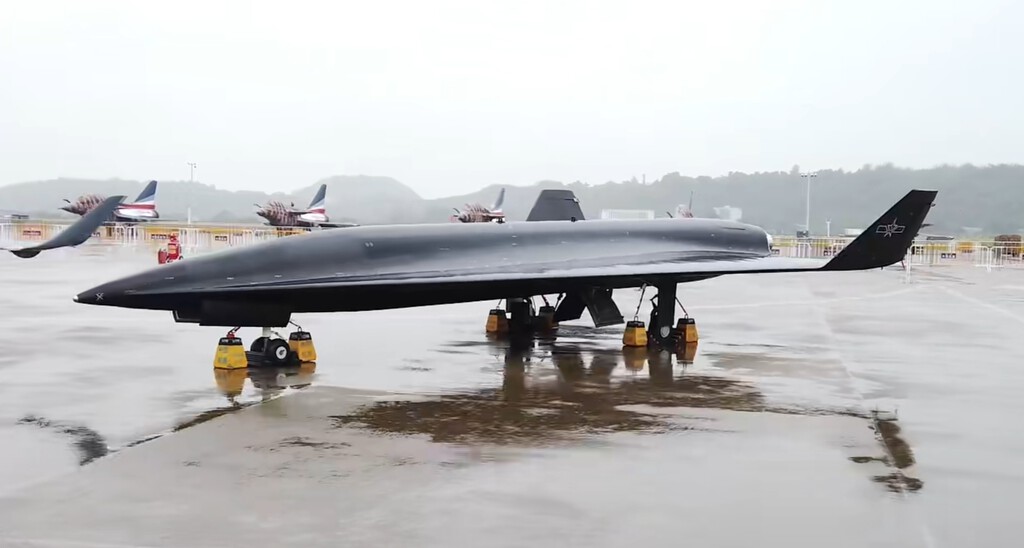
How Algorithmic Warfare Works
Programs like Project Maven, now developed by Palantir and integrated with models from companies like Anthropic, illustrate how compressed the decision chain has become. Satellite imagery, drone feeds, and intercepted signals are processed automatically to produce target lists and attack solutions.
Human involvement is often reduced to selecting options on a screen. As Pentagon officials describe it, the process is as simple as "left click, right click." This level of automation raises profound questions about accountability and the role of human judgment in life-and-death decisions.
Key Technologies Driving the Shift
- Computer vision: AI analyzes satellite and drone imagery to detect and classify targets.
- Predictive analytics: Algorithms forecast enemy movements and recommend preemptive strikes.
- Autonomous systems: Drones and other platforms can operate with minimal human oversight.
- Data fusion: Multiple intelligence sources are combined in real time to create a comprehensive battlefield picture.
- Decision support: AI generates courses of action and assesses potential outcomes.
The Race for AI Supremacy
Global powers are in a fierce competition to develop and deploy military AI. The United States, China, and Russia are all investing heavily in autonomous weapons and AI-driven command systems. This race is reminiscent of the nuclear arms race, but with a crucial difference: the speed of AI development far outstrips that of traditional weapons systems.
The proliferation of AI in warfare also lowers the barrier to entry for smaller states and non-state actors. Commercial off-the-shelf AI tools can be repurposed for military use, raising concerns about escalation and unintended conflict.
Ethical and Strategic Implications
The ethical implications of algorithmic warfare are profound. When machines make targeting decisions, who is responsible for mistakes? International humanitarian law requires distinction between combatants and civilians, but AI systems may struggle with nuanced judgment. The longer history behind the story is traced in AI in Warfare: How Algorithms Are Changing War Forever.
Moreover, the speed of AI-driven warfare may leave little time for human deliberation. The risk of accidental escalation grows as decisions are made in milliseconds. There is also the danger of adversarial manipulation, where enemies hack or deceive AI systems to cause friendly fire incidents. The background to this story is set out in AI in Warfare: Why Governments Must Regulate Autonomous Weapons. A related thread runs through Autonomous Drones in AI-Driven Warfare: Risks and Ethics. Earlier coverage in RAF Chief: AI Drone Autonomy to Revolutionize Future Air Warfare shows how the argument developed.
What to Watch Next
As AI continues to evolve, we can expect further integration into military operations. The development of fully autonomous weapons systems is on the horizon, prompting calls for international treaties and regulations. The debate over lethal autonomous weapons is intensifying at the United Nations and other forums. A closer look at the same subject appears in US and Russia Block Binding Autonomous Weapons Rules at UN. Anyone following the wider picture can start with Trending: latest articles. The same theme surfaces in US Military Drones: Inside the $53.6 Billion Defense Budget, which takes a different angle.
For now, the genie is out of the bottle. The challenge for policymakers and military leaders is to harness the benefits of AI while mitigating its risks. The decisions made in the coming years will shape the future of conflict for generations. Context on how this played out before sits in Ukraine War: AI Drones Now Hunt Individual Soldiers. A companion piece, Airbus U145: The Autonomous Helicopter Without a Cockpit, approaches the same subject from another angle.
FAQ
What is Project Maven?
Project Maven is a Pentagon program that uses AI to analyze drone footage and identify targets. It was initially developed with Google's involvement, which sparked internal protests. Today, it is developed by Palantir and integrated with advanced AI models.
How does AI change warfare?
AI compresses the decision-making cycle, enabling faster target identification and attack planning. It can process vast amounts of data from satellites, drones, and sensors to recommend actions, reducing human intervention to mere approval steps.
What are the ethical concerns of AI in warfare?
Key concerns include accountability for mistakes, the risk of civilian casualties, and the potential for rapid escalation. There is also the danger of AI systems being hacked or manipulated by adversaries.
Which countries are leading in military AI?
The United States, China, and Russia are the major players, investing heavily in AI for defense. Other nations are also pursuing AI capabilities, leading to a global arms race in algorithmic warfare.
Browse the Shop
 Acacia frida deluxe solid wood bed frame |
Bedroom bench |
Bed chest drawers |
Lingerie dresser |
Frame base |
Mirror with jewelry storage |
30 Bathroom Vanity |
Memory foam queen mattress |
Mattresses for back pain |
Nightstand set of 2 |
Grand Goldman Shop |
Civil Lawyer
Deutschland Trikot WM 2026







