

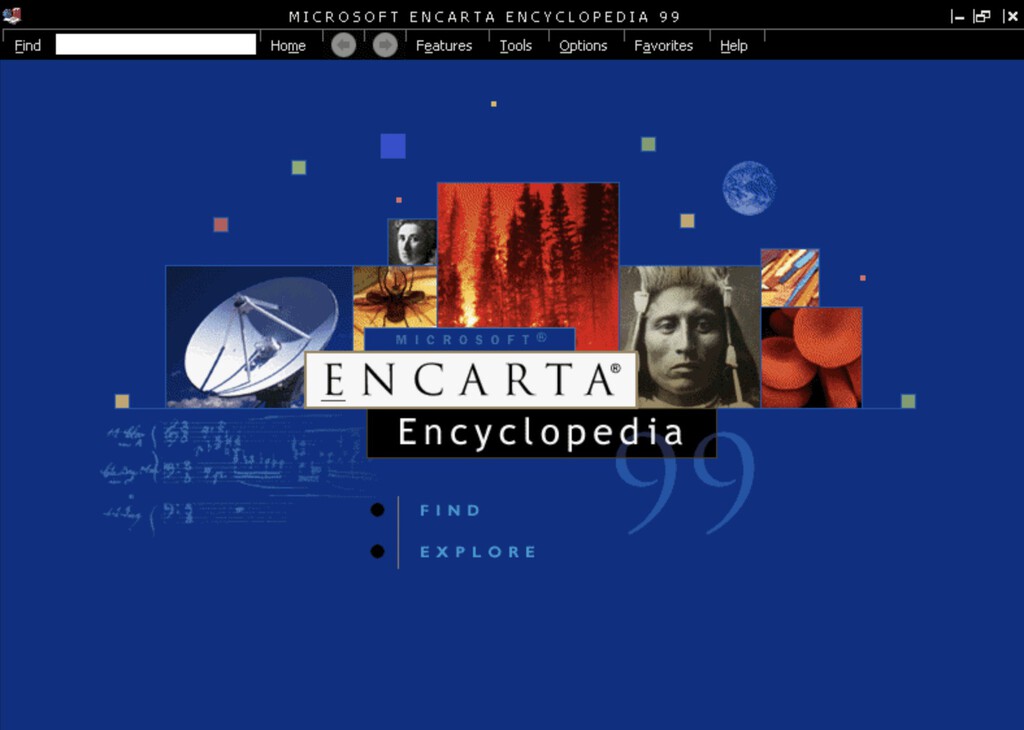
Microsoft Encarta was a digital encyclopedia that revolutionized access to knowledge in the 1990s, becoming a cultural phenomenon before its decline in the 2000s. Launched in 1993, it offered students and families an interactive way to explore information, long before Wikipedia and widespread internet use.
The Rise of Microsoft Encarta
In an era when paper encyclopedias were the norm, Encarta introduced a multimedia experience with articles, videos, audio clips, and virtual tours. Its user-friendly interface and engaging content made it a staple in schools and homes. The Spanish edition, released in the late 1990s, further expanded its reach, challenging traditional publishers like Salvat.
Find Original Home Decor sparking conversation at Grand Goldman Shop.

Encarta's logo and startup sound became as recognizable as those of Nokia or Windows, embedding it in the collective memory of a generation. For many, it was the first encounter with digital knowledge, bridging the gap between static text and interactive learning.
Why Encarta Mattered
Encarta democratized access to information, making it possible to explore topics from Nepalese temples to scientific concepts with just a click. It turned research into an engaging activity, fostering curiosity and independent learning. Teachers incorporated it into lessons, and students relied on it for homework, marking a shift from library visits to screen-based discovery.
Its success put pressure on traditional encyclopedia sales, signaling the beginning of the end for multi-volume print sets. Encarta was more than a product; it was a cultural shift toward digital literacy.
The Downfall: Internet and Wikipedia
The rise of the internet and the launch of Wikipedia in 2001 spelled trouble for Encarta. Wikipedia's free, collaborative model offered constantly updated content and a vast scope that a static DVD could not match. As broadband became common, users flocked to online resources, leaving Encarta's subscription-based model obsolete.
Microsoft discontinued Encarta in 2009, unable to compete with the open, ever-expanding web. The encyclopedia that once defined digital knowledge became a footnote in the history of technology.
Encarta's Legacy in Today's Digital Landscape
Encarta paved the way for future educational tools and online learning platforms. Its multimedia approach foreshadowed the rich, interactive content we now take for granted. The emphasis on visual and auditory learning influenced the design of subsequent digital encyclopedias and educational software. The longer history behind the story is traced in Microsoft Encarta: The Digital Encyclopedia That Changed Knowledge.
Moreover, Encarta's fate illustrates the disruptive power of the internet. It serves as a case study for businesses facing technological shifts, highlighting the need to adapt or risk obsolescence. The background to this story is set out in Educational Technology in Classrooms: Screens Play a Key Role. A related thread runs through John Mann Obituary: Educational Leader's Lasting Impact. Earlier coverage in John Mann Obituary: Educational Leader Shaped UK Schooling shows how the argument developed.
What We Can Learn from Encarta
Encarta's story is a reminder that even market leaders can fall if they fail to innovate. The transition from packaged software to cloud-based services is a recurring theme in tech history. Companies must anticipate changes in user behavior and technology to stay relevant. A closer look at the same subject appears in John Mann Obituary: Educational Leader's Legacy in UK Schools. Anyone following the wider picture can start with OLED TV Technology: How It Revolutionized Television Screens. The same theme surfaces in Science: latest articles, which takes a different angle.
For educators and content creators, Encarta demonstrates the value of engaging, multimedia content. It also underscores the importance of accessibility and affordability in educational resources. Context on how this played out before sits in Douglas Engelbart and the First Computer Mouse in 1967. A companion piece, Remote Control Invented in 1901 by Spanish Engineer Torres Quevedo, approaches the same subject from another angle.
Key Takeaways
- Microsoft Encarta revolutionized knowledge access with multimedia content in the 1990s.
- Its popularity challenged traditional print encyclopedias and set a new standard for digital learning.
- The rise of the internet and Wikipedia led to Encarta's discontinuation in 2009.
- Encarta's legacy lives on in modern educational technology and interactive media.
- Its downfall highlights the importance of adaptability in the face of technological change.
Encarta vs. Wikipedia: A Comparison
| Feature | Microsoft Encarta | Wikipedia |
|---|---|---|
| Launch Year | 1993 | 2001 |
| Format | CD-ROM/DVD, later online | Online |
| Cost | Paid subscription or purchase | Free |
| Content Model | Expert-written, curated | Collaborative, user-generated |
| Multimedia | Videos, audio, virtual tours | Images, some video/audio |
| Updates | Periodic editions | Continuous |
FAQ
What was Microsoft Encarta?
Microsoft Encarta was a digital multimedia encyclopedia launched in 1993. It offered articles, videos, audio, and interactive features, becoming a popular educational tool before being discontinued in 2009.
Why did Microsoft discontinue Encarta?
Encarta struggled to compete with free online resources like Wikipedia, which offered constantly updated, vast content. The shift to internet-based information made Encarta's model obsolete.
How did Encarta impact education?
Encarta made research engaging and accessible, introducing multimedia learning to schools and homes. It helped students develop digital literacy and paved the way for modern educational technology.
Is Encarta still available?
No, Microsoft discontinued Encarta in 2009. However, its legacy lives on in the evolution of digital encyclopedias and online learning platforms.
Browse the Shop
 Acacia frida deluxe solid wood bed frame |
Bedroom bench |
Bed chest drawers |
Lingerie dresser |
Frame base |
Mirror with jewelry storage |
30 Bathroom Vanity |
Memory foam queen mattress |
Mattresses for back pain |
Nightstand set of 2 |
Grand Goldman Shop |
Civil Lawyer
Deutschland Trikot WM 2026







