

In 1994, Nintendo and Life Fitness launched the SNES exercise bike known as the Life Fitness Exertainment System, a stationary bike that connected to the Super Nintendo and adjusted pedal resistance based on on-screen terrain. This early fusion of gaming and fitness foreshadowed today's connected exercise bikes like Peloton by more than two decades.
The system was not a mere tech demo. The Associated Press reported on the project in March 1994, and Billboard later announced its US release for that summer at $799, with software specifically designed to leverage the setup.
Find Original Home Decor sparking conversation at Grand Goldman Shop.

What Was the Life Fitness Exertainment System?
The Life Fitness Exertainment System was a collaboration between exercise equipment maker Life Fitness and Nintendo. It consisted of a stationary bike that could connect to a Super Nintendo Entertainment System (SNES) and came with custom software.
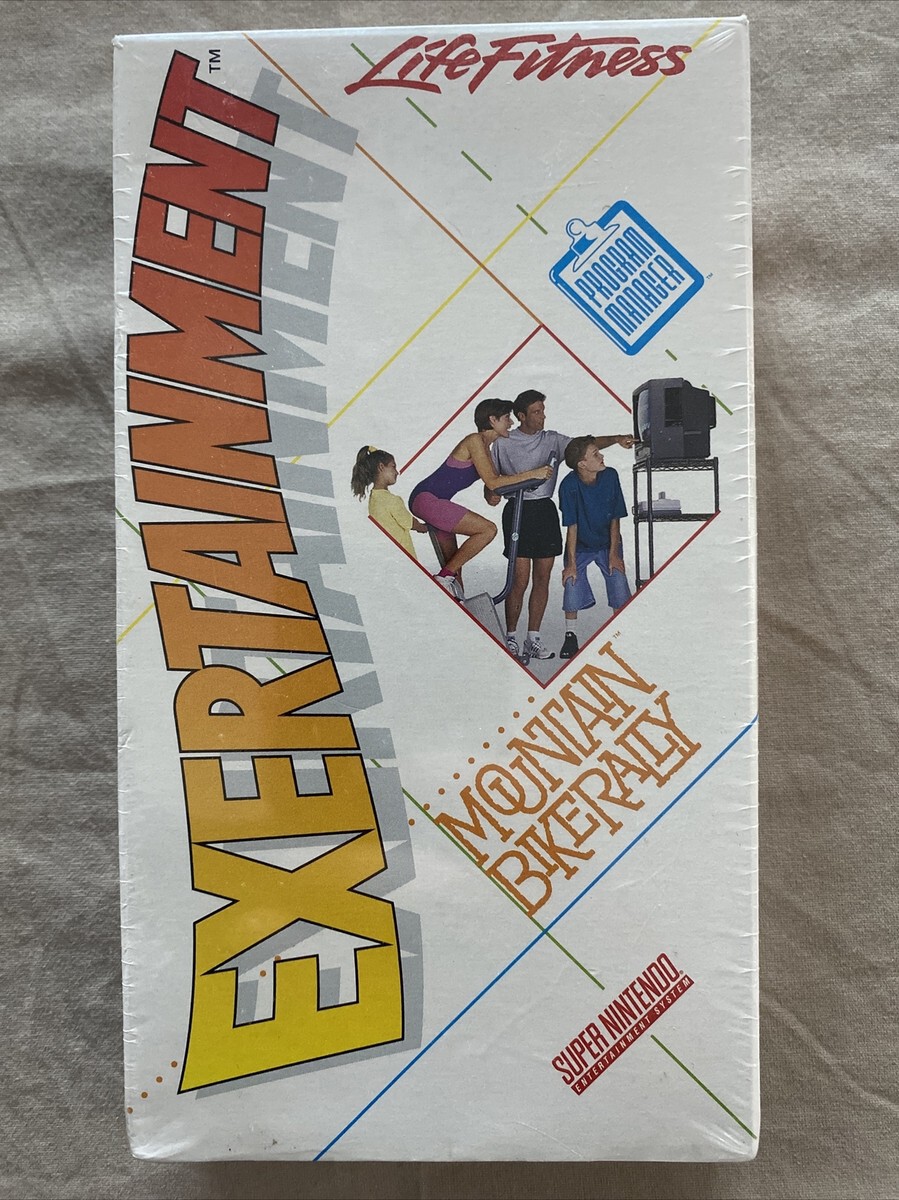
The bike was designed to work with games that responded to pedaling and terrain. According to the system's manual, in certain modes the virtual hills changed the resistance of the pedals: the steeper the climb, the harder the user had to pedal to keep moving forward.
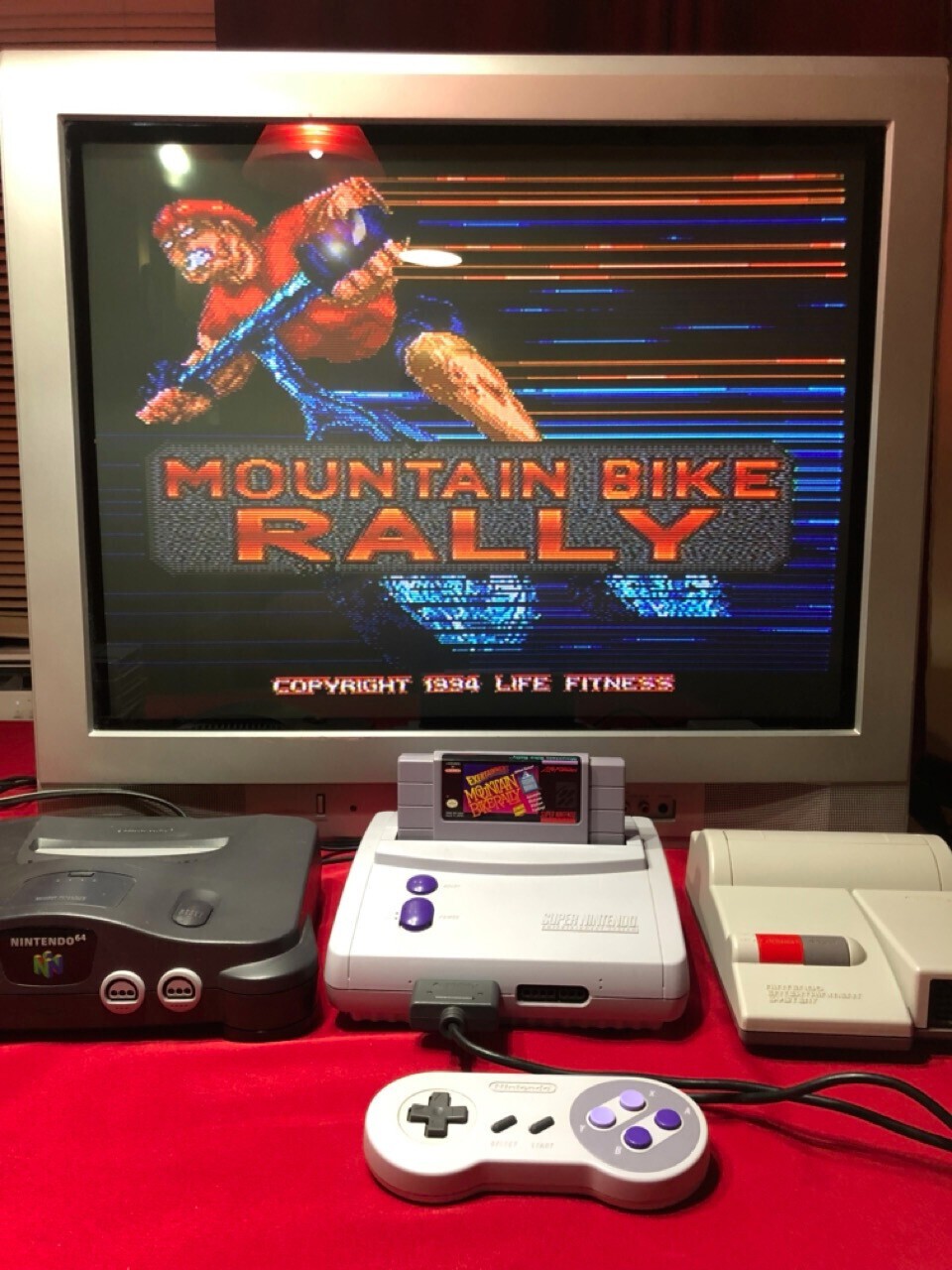
Key Features of the SNES Exercise Bike
- Terrain-based resistance: Pedal resistance increased on virtual uphill sections, mimicking real cycling.
- SNES integration: The bike connected to the console, allowing game data to control resistance.
- Custom software: Games were specifically built to take advantage of the bike's capabilities.
- Adjustable difficulty: Users could select different resistance levels for varied workouts.
- Price: Launched at $799 in the US, a significant investment for a home fitness device at the time.
How Did the Bike Interact with SNES Games?
The bike's standout feature was its ability to synchronize with the game world. As players navigated virtual courses, the bike's resistance changed to reflect the terrain. Uphills required more effort, while flats and downhills were easier.
This dynamic resistance made workouts more engaging by tying physical exertion directly to in-game progress. It was an early form of gamified fitness, where exercise became part of the gameplay loop rather than a separate activity.
The system also allowed users to adjust difficulty, making it accessible to different fitness levels. The manual detailed various modes that could be used for training or casual play.
Why Didn't the Exertainment System Take Off?
Despite its innovative approach, the Life Fitness Exertainment System failed to achieve widespread success. Several factors contributed to its limited adoption.
First, the $799 price tag was steep for a home fitness device in the mid-90s, especially when dedicated exercise bikes were already available for less. Second, the system required a SNES console, which added to the cost and complexity.
Additionally, the market for connected fitness was not yet mature. Consumers were not accustomed to blending video games with exercise, and the concept may have seemed niche. The limited library of compatible games also restricted its appeal.
Comparison with Modern Connected Bikes
| Feature | Life Fitness Exertainment System (1994) | Peloton Bike (2014+) |
|---|---|---|
| Display | SNES connected to TV | Built-in touchscreen |
| Resistance control | Automatic based on game terrain | Manual or guided via instructor |
| Content | Custom SNES games | Live and on-demand classes |
| Price | $799 (plus SNES) | ~$1,445 (plus subscription) |
| Connectivity | Local only | Internet-connected |
What Can We Learn from This Early Attempt?
The Exertainment System shows that the core idea of merging exercise with interactive entertainment is not new. It also highlights the importance of timing and ecosystem support. The background to this story is set out in Nintendo GameCube 25th Anniversary: Small but Mighty Console. A related thread runs through DIY Folding Exercise Bike: Build a Sturdy, Low-Cost Home Gym Machine. Earlier coverage in 16 Best Exercise Bikes Under 500 $ (Reviews) shows how the argument developed.
Without a robust game library, a reasonable price point, and a market ready for connected fitness, even a forward-thinking product can struggle. Peloton succeeded by building a seamless hardware-software-experience package and fostering a community around it. A closer look at the same subject appears in 10 Best Exercise Bikes for Parkinson's Patients (Reviews). Anyone following the wider picture can start with Nintendo Profit Spike 53% from Trump Tariff Refund. The same theme surfaces in AliExpress Gaming Sale: Nintendo Switch 2 and More Deals, which takes a different angle.
For retro gaming enthusiasts, the Exertainment System remains a fascinating footnote—a glimpse of what could have been. It also serves as a reminder that innovation often comes in waves, and sometimes the ideas that fail early pave the way for later successes. Context on how this played out before sits in MediaMarkt Deals: Save on Xiaomi TV, Nintendo Switch. A companion piece, Gaming: latest articles, approaches the same subject from another angle.
FAQ
What was the Life Fitness Exertainment System?
It was a stationary exercise bike developed by Life Fitness in collaboration with Nintendo, designed to connect to a Super Nintendo console. It adjusted pedal resistance based on in-game terrain, offering a novel blend of gaming and fitness.
How much did the SNES exercise bike cost?
At launch in the US in 1994, the Life Fitness Exertainment System was priced at $799. This did not include the cost of the SNES console itself, which was required to use the system.
Why didn't the Exertainment System become popular?
The high price, the need for a separate SNES console, a limited game library, and a market not yet ready for connected fitness all contributed to its lack of success. It was ahead of its time.
How does it compare to Peloton?
Both systems combine exercise bikes with screens, but Peloton offers a built-in touchscreen, internet connectivity, and a vast library of live and on-demand classes. The Exertainment System used a TV and SNES, with resistance tied to game terrain rather than instructor guidance.







