

Mummy head sales on Facebook and Instagram have become a disturbing trend, with sellers offering ancient human remains at competitive prices. A new study titled The Real Mummy’s Curse reveals that these macabre listings are more than just a curiosity—they pose serious health risks and expose a thriving international trade in illicit antiquities.
What the Study Found: 128 Listings of Mummified Remains
Researchers led by bioarchaeologist Kirsty Squires of Staffordshire University documented 128 advertisements for mummified remains between 2015 and 2025. The listings appeared on social media, e-commerce platforms, and auction houses, offering everything from limbs and spinal columns to complete human heads.
Find Original Home Decor sparking conversation at Grand Goldman Shop.

One particularly striking example: a head claimed to be from an ancient Egyptian mummy was listed for $115,000 in the United States about a decade ago. The study, published in the International Journal of Cultural Property, highlights how sellers exploit anonymity, regulatory gaps, and deliberately ambiguous language to evade platform restrictions.
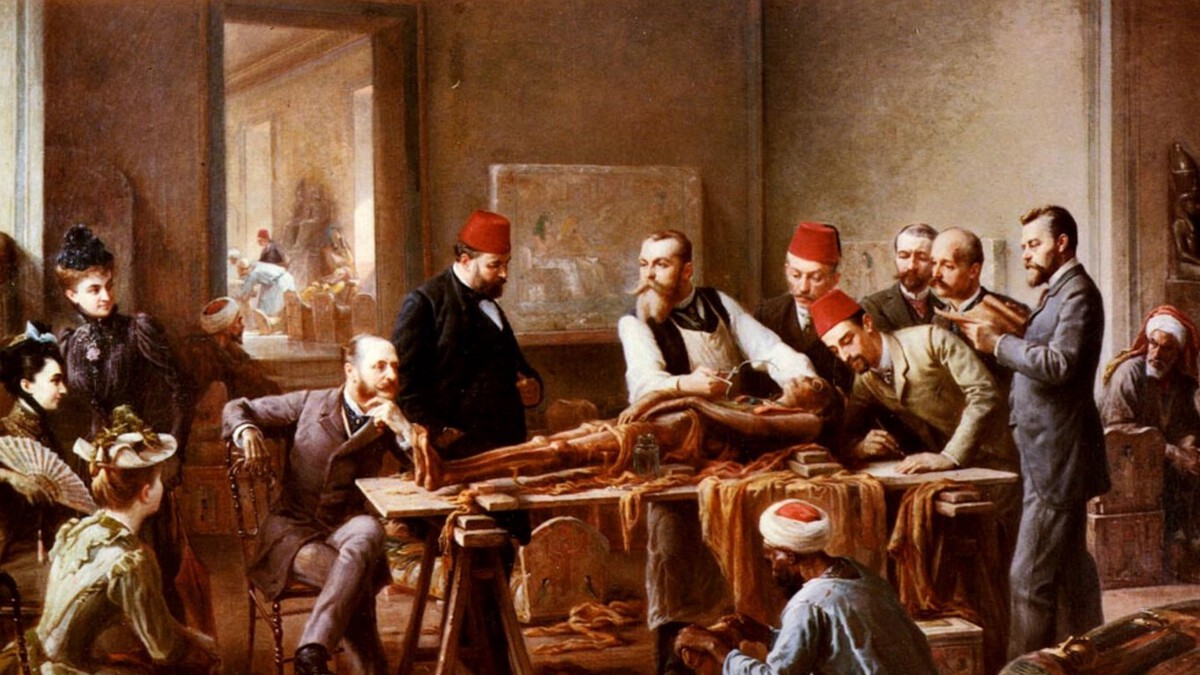
Why This Matters: Health Risks Beyond the Macabre
What appears to be a morbid curiosity is actually a public health concern. The researchers discovered that these ancient remains can harbor potentially dangerous fungi and toxic substances. Even more alarming, human remains are being shipped through the mail to buyers’ homes, bypassing any health and safety inspections.
“These are not sterile artifacts,” the study warns. “They are biological materials that can carry pathogens and contaminants.” For unsuspecting buyers, a purchase could introduce harmful microorganisms into their homes.
Who Is Affected: Buyers, Platforms, and Cultural Heritage
The trade affects multiple parties. Buyers may face health risks and legal consequences, as the sale of human remains is heavily restricted in many countries. Social media platforms like Facebook and Instagram are struggling to police these listings, which often slip through automated filters due to euphemistic descriptions. The longer history behind the story is traced in Ötzi the Iceman: 5,300-Year-Old Mummy Holds Living Microbes.
Cultural heritage is also at stake. Each sale of a mummified body part represents a loss of archaeological context and historical knowledge. The study notes that the trade fuels looting and the destruction of ancient sites. The background to this story is set out in Mummy Trade Health Risks: Real Mummy's Curse Warning. A related thread runs through Mummified Dog Over Couple in Egypt Tomb Baffles Experts. Earlier coverage in ACA Marketplace Removal of 760,000 People Threatens US Health System shows how the argument developed.
What to Watch Next: Regulation and Platform Response
Researchers are calling for stricter enforcement of existing laws and better detection tools for platforms. Some countries have already tightened regulations on the sale of human remains, but international coordination remains weak. A closer look at the same subject appears in Trending: latest articles. Anyone following the wider picture can start with Oldest Human Remains in Antarctica: A 200-Year-Old Mystery. The same theme surfaces in Great Pyramid of Giza May Be 20,000 Years Older Than Thought, which takes a different angle.
As the study concludes, the “mummy’s curse” is not a supernatural phenomenon but a real-world problem involving biohazards, illegal trade, and ethical violations. Consumers should be aware that purchasing such items is not only risky but also contributes to the exploitation of cultural heritage. Context on how this played out before sits in Humanity's 200,000-Year Journey: The Map That Tracks Our Route. A companion piece, Homo naledi Mystery Grows: All Skeletons Found Were Female, approaches the same subject from another angle.
Key Takeaways
- 128 listings of mummified human remains were found on social media and auction sites over a decade.
- Remains can carry dangerous fungi and toxins, posing health risks to buyers.
- Sellers use ambiguous language to bypass platform restrictions.
- The trade fuels looting and loss of archaeological context.
- International regulations are inconsistent and poorly enforced.
Comparison of Mummy Remains Listings
| Item | Price (USD) | Platform | Year |
|---|---|---|---|
| Egyptian mummy head | 115,000 | US auction | ~2015 |
| Mummified hand | 2,500 | 2020 | |
| Spinal column | 5,000 | 2022 | |
| Complete mummy | 50,000 | E-commerce site | 2018 |
FAQ
Is it legal to buy mummified human remains?
Legality varies by country. In the US, federal law restricts interstate sale of human remains, but enforcement is spotty. Many countries outright ban the trade.
What health risks do mummified remains pose?
They can carry fungi, bacteria, and toxic substances like embalming chemicals. Handling without protection may cause infections or allergic reactions.
How are these items shipped?
Sellers often use standard mail services, sometimes mislabeling packages to avoid detection. This bypasses health inspections and can violate postal regulations.
What should I do if I see such a listing?
Report it to the platform immediately. Do not engage with the seller. Authorities and cultural heritage organizations track these listings.







