

The Sampoong Department Store collapse remains one of the deadliest peacetime building failures tied to air conditioning and structural negligence. In 1995, South Korea watched a luxury mall in Seoul crumble in seconds, killing more than 500 people and exposing how unchecked growth can turn routine construction into catastrophe.
The disaster did not begin with a single explosion or earthquake. It began with a decision to install oversized air conditioning units on a roof that was never designed to carry them — a choice made possible by a culture that prized speed over safety.
Find Original Home Decor sparking conversation at Grand Goldman Shop.

The Sampoong Collapse and the Air Conditioning Problem
In the 1990s, dense Asian cities were packing millions of people into urban areas built in just a few decades. Studies at the time warned that a significant share of buildings from the economic boom had serious structural deficiencies. Post-accident inspections sometimes found that only a minority of structures fully met safety standards.
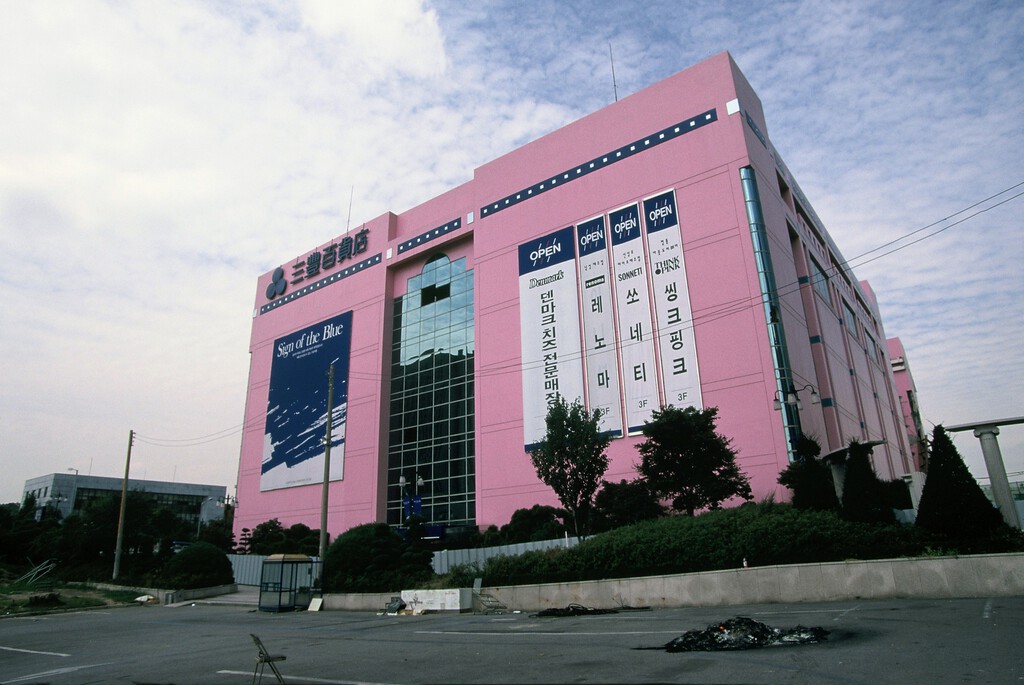
South Korea had moved from war devastation to industrial power at unprecedented speed. During the 1980s boom, the country won the 1988 Olympics, and a massive wave of construction followed to meet new demands. That push created a construction fever where erecting buildings mattered more than building them well.
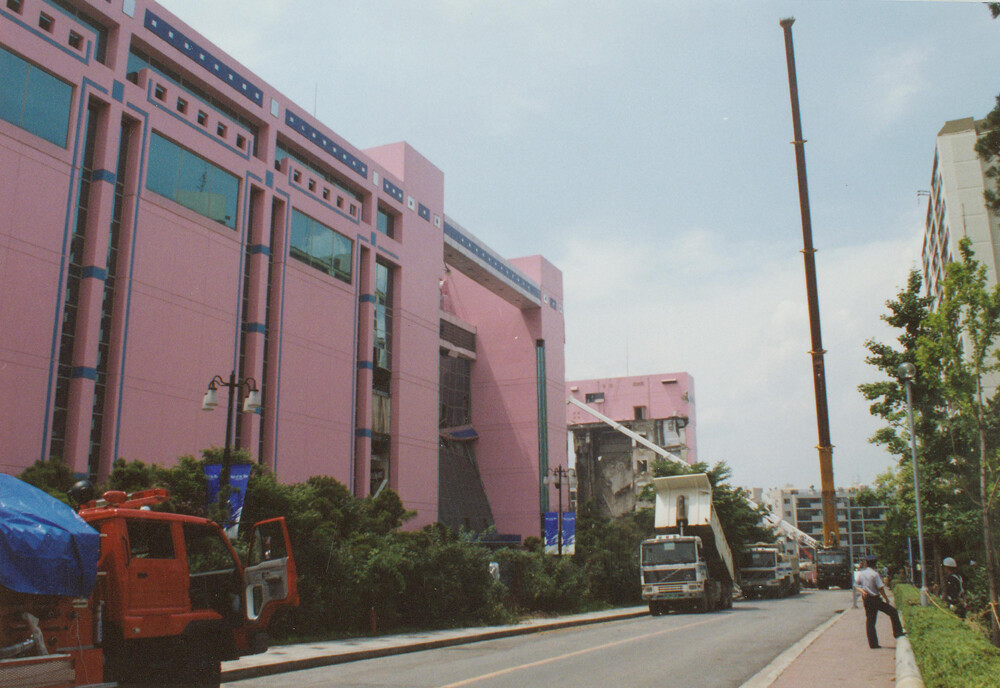
Cost cuts, accelerated timelines, and ignored technical warnings became routine. The Sampoong Department Store was born in that environment — not as an exceptionally flawed project from the start, but as a typical product of an era that measured progress in square meters rather than safety standards.
Why the Air Conditioning Units Became a Structural Threat
The building originally had a different use, and its structure was altered to add floors and retail space. When large air conditioning units were placed on the roof, the added weight exceeded what the slab could safely bear. The units were moved and operated without adequate reinforcement.
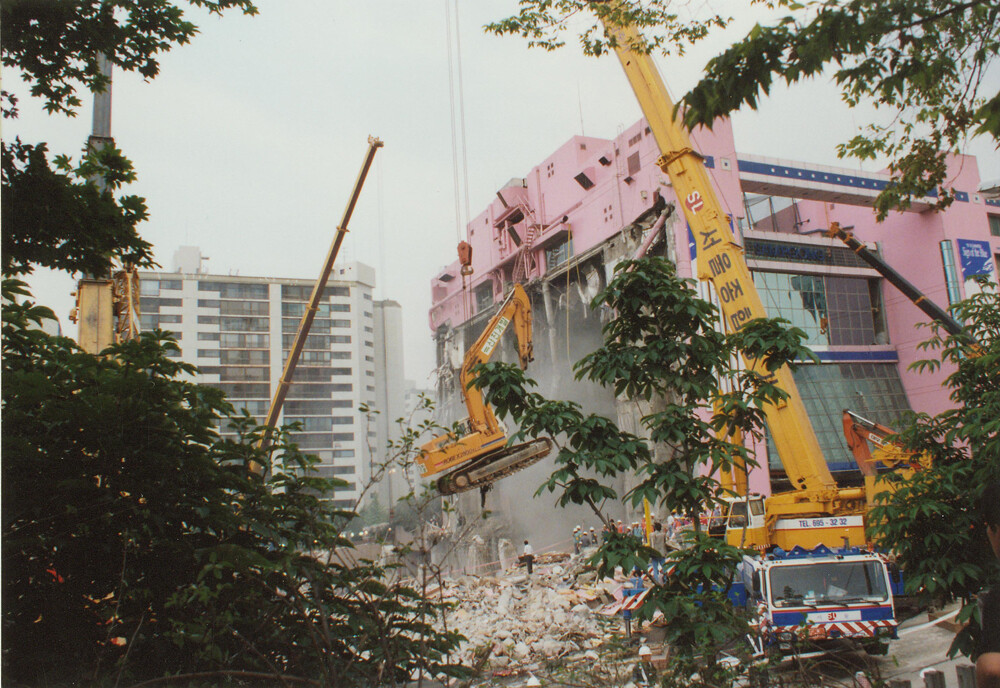
Air conditioning systems are heavy, and rooftop installation requires engineering review. In this case, the load combined with construction changes and a lack of proper oversight to create a fatal chain of stress. Cracks appeared, warnings were raised, and yet the building stayed open to shoppers and staff.
What Went Wrong Before the Collapse
Reports indicate that structural cracks and sagging were noticed before the disaster. Some engineers and employees flagged the danger, but management ignored or downplayed the warnings. The store remained packed with customers and workers.
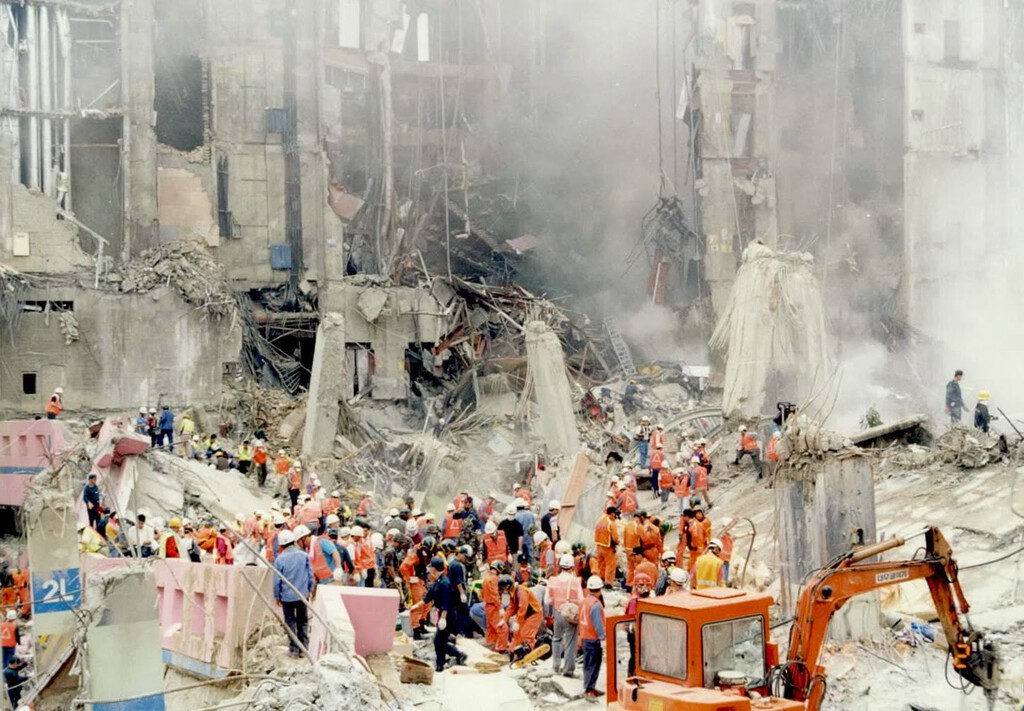
The collapse happened in the middle of a business day, trapping thousands. Rescue efforts lasted for days, and the death toll reached more than 500 people. The tragedy became a national turning point for construction oversight and emergency response.
Key Takeaways From the Sampoong Disaster
- Air conditioning loads matter: Rooftop units add significant weight and must be engineered into the original structure.
- Speed over safety kills: Rapid construction and cost-cutting can hide structural risks until it is too late.
- Warnings need action: Cracks and sagging are red flags that require immediate evacuation and inspection.
- Oversight is essential: Weak regulation allows dangerous changes to go unchecked in busy commercial buildings.
- Public memory drives reform: Disasters often force governments to tighten building codes and inspection regimes.
How the Sampoong Collapse Changed South Korea
The collapse shocked the nation and led to arrests, investigations, and a hard look at construction practices. It also exposed how corruption and regulatory gaps allowed a building to operate despite known risks. The tragedy became a reference point for safety reform in South Korea and beyond. Context on how this played out before sits in South Korea's Sampoong Collapse: How Air Conditioning Doomed a Mall.
For businesses, the lesson is clear: mechanical systems like air conditioning are not cosmetic additions. They interact with structural integrity, fire safety, and evacuation planning. Ignoring that relationship can turn a routine upgrade into a lethal hazard. The background to this story is set out in Trending: latest articles. A related thread runs through China's Silent Island Grab: Militarizing the South China Sea.
Comparing Risk Factors in the Sampoong Case
| Factor | Role in the Collapse | Safety Lesson |
|---|---|---|
| Rooftop air conditioning units | Added excessive weight to a weakened roof | Engineer all mechanical loads |
| Building modifications | Altered structure and use without adequate review | Require permits and inspections |
| Ignored warnings | Cracks and sagging reported before collapse | Act immediately on structural red flags |
| Regulatory gaps | Weak oversight during rapid growth | Strengthen codes and enforcement |
What to Watch Next in Building Safety
Modern cities still face pressure to build fast and cut costs. The Sampoong case shows that air conditioning, electrical systems, and other mechanical upgrades can become structural risks when oversight is weak. Regulators and building owners must treat every heavy installation as an engineering decision, not a procurement shortcut. Earlier coverage in Korean Language Split: How North and South Korea Diverge shows how the argument developed. A closer look at the same subject appears in Chernobyl Maps Reveal True Scale of Nuclear Disaster 40 Years.
For the public, the lesson is to take visible cracks and structural warnings seriously. Reporting hazards and demanding transparency can prevent the next disaster. The Sampoong collapse was not inevitable — it was the result of choices that prioritized speed and profit over human life. Anyone following the wider picture can start with Brooklyn Man Sues Landlord Over Fatal Flatbush Avenue Collapse. The same theme surfaces in Brooklyn Building Collapse Kills 8, Injures 17 as Rescue Continues, which takes a different angle.
FAQ
What caused the Sampoong Department Store collapse?
The collapse was caused by structural failure linked to unauthorized building changes and the addition of heavy air conditioning units on the roof. Weak oversight and ignored warnings contributed to the disaster.
How many people died in the Sampoong collapse?
More than 500 people died when the building collapsed in 1995. The tragedy remains one of South Korea's deadliest peacetime disasters.
Why were air conditioning units a problem?
The rooftop units added significant weight that the structure was not designed to support. Combined with construction modifications, this created stress that led to collapse.
What changed after the Sampoong disaster?
South Korea tightened construction regulations and inspection requirements. The disaster also raised public awareness about building safety and corporate accountability.







