

The candy industry has discovered that selling sweets to nostalgic adults is more profitable than targeting children, as adults now make up a significant portion of candy sales. This shift is driven by the powerful pull of nostalgia, which is transforming the market for confectionery.
Why Nostalgia Sells
Nostalgia is a powerful emotion that marketers have long leveraged. As we age, we increasingly value items and experiences that allow us to relive our childhood. This creates a huge business opportunity, one that the tech and entertainment industries have already capitalized on with retro arcades and vintage merchandise. Now, the candy industry is tapping into this trend.
Find Original Home Decor sparking conversation at Grand Goldman Shop.

Who Eats Candy? The Changing Demographics
Traditionally, candy was seen as a treat for children and teenagers. Those of us who grew up in the 80s and 90s remember a time when only kids flocked to candy stores. Adults might enjoy the occasional licorice or mint, but they were the exception. Today, adults are openly buying candy, and in some stores, they represent the majority of customers—up to 80% of business, according to a recent report by El Confidencial. The longer history behind the story is traced in Lidl's High-End Electric Mountain Bike at Outlet Price Sells.
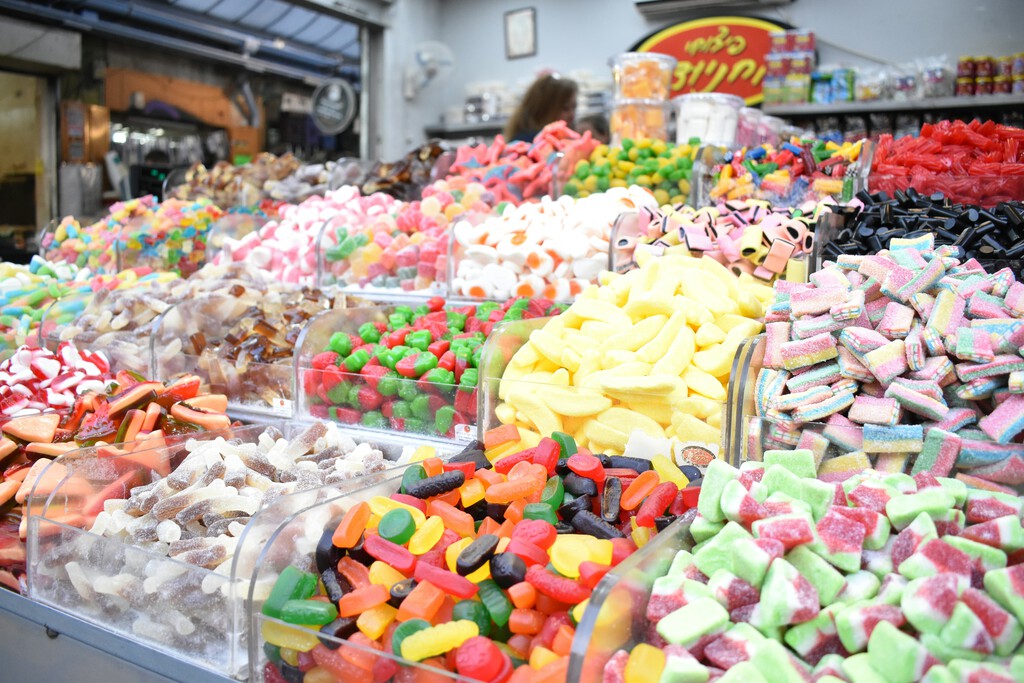
The Rise of Adult Candy Consumers
Millennials and younger generations are driving this change. They are willing to spend on products that evoke fond memories of their childhood. This has led to a surge in demand for retro sweets and classic brands. Candy stores are adapting by offering a wide range of nostalgic products and creating experiences that appeal to adults. The background to this story is set out in Rediscovering Childhood Hobbies as an Adult: The Nostalgic Appeal. A related thread runs through eBay Harassment Scandal: Shocking Story of Journalist Targeting. Earlier coverage in Double Cleansing: Beauty Industry Benefits, Not Consumers shows how the argument developed.
Key Takeaways for the Candy Industry
- Adults now make up a significant portion of candy sales, with some stores reporting 80% of business from adult customers.
- Nostalgia is a powerful driver of consumer behavior, especially among millennials and Gen X.
- The candy industry is shifting its marketing and product offerings to target nostalgic adults.
- Retro sweets and classic brands are experiencing a resurgence in popularity.
- Stores are creating experiential retail environments to attract adult consumers.
Comparing Candy Sales by Age Group
| Age Group | Share of Candy Sales | Key Drivers |
|---|---|---|
| Children (under 18) | 20% | Impulse purchases, parental influence |
| Young Adults (18-34) | 40% | Nostalgia, social media trends |
| Adults (35-54) | 30% | Nostalgia, gifting, self-treating |
| Seniors (55+) | 10% | Habit, traditional preferences |
What This Means for Retailers
Retailers are taking notice. Candy stores are increasingly stocking retro brands and creating nostalgic displays. Some are even hosting events like "adult candy nights" where customers can sample classic sweets and relive their childhood. This experiential approach not only drives sales but also builds customer loyalty. A closer look at the same subject appears in Trending: latest articles. Anyone following the wider picture can start with Stoicism Industry: How a Million-Dollar Market Sells the Opposite of Stoicism. The same theme surfaces in Beer Brands Target Youth with Skincare-Infused Drinks, which takes a different angle.
The Future of Candy: What to Watch
As the population ages and nostalgia continues to drive consumer behavior, the candy industry is likely to see further growth in the adult segment. Expect to see more marketing campaigns aimed at adults, more retro products, and perhaps even candy subscription boxes tailored to nostalgic tastes. The sweet spot is clear: adults are the new kids on the candy block. Context on how this played out before sits in Best International Candy: 12 Global Sweets to Try This Halloween. A companion piece, Candy Industry Targets Nostalgic Adults for Sweet Profits, approaches the same subject from another angle.
FAQ
Why are adults buying more candy now?
Adults are buying more candy due to nostalgia. As they age, they seek products that remind them of their childhood, and candy is an accessible way to relive those memories.
What percentage of candy sales come from adults?
According to a report by El Confidencial, in some stores, adults make up 80% of candy sales, indicating a significant shift from the traditional child-centric market.
How are candy stores adapting to this trend?
Candy stores are stocking retro brands, creating nostalgic displays, and hosting events like adult candy nights to attract and retain adult customers.
Is this trend expected to continue?
Yes, as the population ages and nostalgia remains a powerful driver, the adult candy market is expected to grow, with more marketing and products tailored to this demographic.







