

The alcohol industry is betting on Gen Z with a new strategy: offering them something different. As younger consumers show less interest in traditional alcoholic beverages, companies are turning to innovative products and unexpected flavors to capture their attention.
At the recent Salón Gourmets in Madrid, a major European trade fair for high-end food and beverages, exhibitors showcased not only classic wines and spirits but also a range of novel products designed to intrigue younger palates. This shift reflects a broader transformation in the industry as it seeks to connect with a generation that will shape its future.
Find Original Home Decor sparking conversation at Grand Goldman Shop.

Why Gen Z Is Losing Interest in Alcohol
Generation Z, born roughly between 1997 and 2012, is drinking less alcohol than previous generations. Studies indicate that they are more health-conscious and mindful of the effects of alcohol. This trend has significant implications for the alcohol industry, which must adapt to survive.
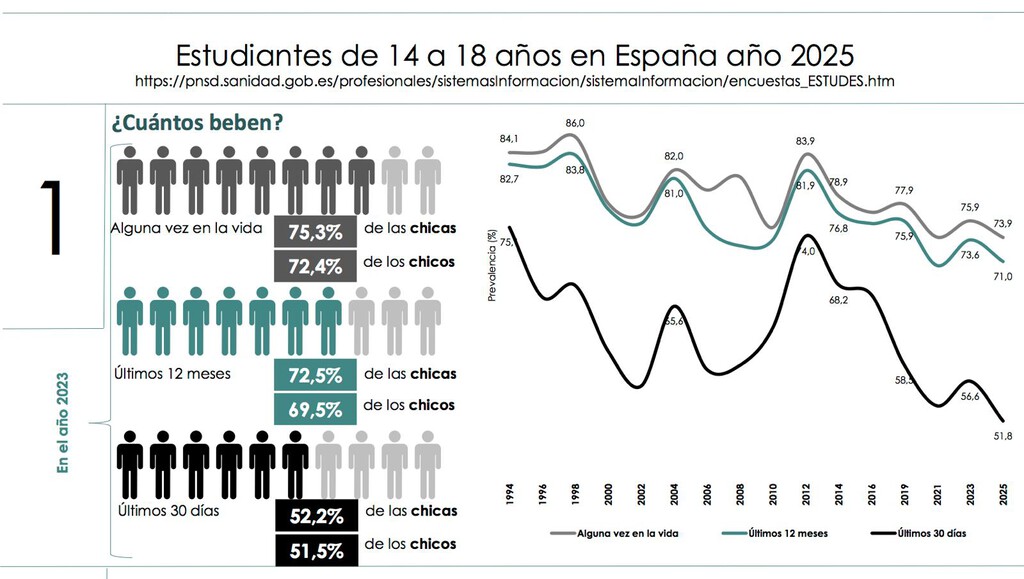
According to industry analyses, the decline in alcohol consumption among young people is not just a passing phase but a fundamental shift in behavior. Brands are taking notice and rethinking their approaches to product development and marketing.

How the Industry Is Responding
At trade shows like Salón Gourmets, companies are showcasing a variety of new products aimed at younger consumers. These include:
- No/low alcohol wines and spirits: These products offer the taste of alcohol without the same level of intoxication, appealing to health-conscious consumers.
- Exotic flavor combinations: Innovations like tequifresa (tequila with strawberry) and chocolate Dubai (a rich, indulgent chocolate-flavored alcoholic drink) are designed to spark curiosity.
- Ready-to-drink (RTD) cocktails: Convenient, portable options that cater to on-the-go lifestyles.
- Functional beverages: Drinks with added benefits such as relaxation or energy, often with low or no alcohol.
These products aim to engage Gen Z's sense of adventure and desire for novel experiences, even if they are not traditional drinkers.
The Role of Curiosity in Capturing Gen Z
Curiosity is a powerful motivator for Gen Z. They are digital natives who value experiences and are constantly seeking new sensations. By offering unconventional flavors and formats, alcohol brands hope to pique their interest and encourage trial.
This strategy is not without risks. Some traditionalists may scoff at tequifresa or chocolate Dubai, but the industry is willing to experiment to stay relevant. As one industry insider noted, the goal is to connect with a demographic that is losing interest in alcohol but remains open to new experiences.
What This Means for the Future of Alcohol
The shift toward innovative products is likely to accelerate. As Gen Z's purchasing power grows, their preferences will increasingly dictate market trends. Companies that fail to adapt may find themselves left behind.
Moreover, the success of no/low drinks suggests that the future of alcohol may be more about moderation and flavor exploration than intoxication. This could lead to a broader cultural shift in how society views drinking. The background to this story is set out in Beer Brands Target Youth with Skincare-Infused Drinks. A related thread runs through Alcohol-Free Beer That Gets You Tipsy: The New Industry Race. Earlier coverage in Can Alcohol Be Healthy? Low Carb and Gluten-Free Drink Claims shows how the argument developed.
Key Takeaways for Industry Stakeholders
For those in the alcohol business, understanding Gen Z is crucial. Here are some key points to consider: A closer look at the same subject appears in Death Salons for People of Color: Processing Grief and End-of-Lif. Anyone following the wider picture can start with Ice Cream Taste Test: 99 Weird Flavors Ranked for 2026. The same theme surfaces in 99 Unusual Ice Cream Flavors of 2026: Taste Test Reveals Best &, which takes a different angle.
- Health and wellness trends are driving demand for no/low options.
- Novelty and curiosity can attract younger consumers to try new products.
- Social media and digital marketing are essential for reaching Gen Z.
- Experiential marketing and unique flavors create memorable brand interactions.
Comparing Traditional and New Alcohol Products
The table below highlights the differences between traditional alcoholic beverages and the new wave of products targeting Gen Z. Context on how this played out before sits in Gen Z Marriage and Divorce Trends: A Sensible Shift. A companion piece, Trending: latest articles, approaches the same subject from another angle.
| Feature | Traditional Alcohol | New Products for Gen Z |
|---|---|---|
| Alcohol Content | Standard (e.g., 5-40% ABV) | Often low or zero (0-5% ABV) |
| Flavor Profile | Classic (e.g., grape, barley, agave) | Innovative (e.g., tequifresa, chocolate Dubai) |
| Target Audience | Broad, including older generations | Primarily Gen Z and millennials |
| Marketing Approach | Traditional media, brand heritage | Social media, influencers, experiential |
FAQ
What is tequifresa?
Tequifresa is a flavored alcoholic beverage that combines tequila with strawberry flavor. It is one of the innovative products designed to appeal to younger consumers' adventurous tastes.
Why is Gen Z drinking less alcohol?
Gen Z is more health-conscious and mindful of alcohol's effects compared to previous generations. They also prioritize experiences and are more likely to choose no/low alcohol options.
What are no/low alcoholic drinks?
No/low alcoholic drinks are beverages with little or no alcohol content, offering the taste of alcohol without the same level of intoxication. They cater to health-conscious consumers and those seeking moderation.
How can alcohol brands attract Gen Z?
Brands can attract Gen Z by offering innovative flavors, no/low options, and engaging marketing through social media and experiential events. Curiosity and novelty are key drivers.







