

George R.R. Martin's admission that Game of Thrones is "no longer my story" has become a cautionary tale for authors everywhere. The phrase, reportedly uttered by Martin amid the avalanche of adaptations of his universe, highlights the loss of creative control that can occur when a book series is transformed for television.
The eternal question of whether the author is the best director or showrunner for their own work depends heavily on the author and the work. But what is clear is that the brightest stars of the publishing market do not want to make the "Martin mistake": watching their world transformed by others without control or a voice of their own.
Find Original Home Decor sparking conversation at Grand Goldman Shop.

Why George R.R. Martin Lost Creative Control
At the beginning of the Game of Thrones project, Martin's involvement was greater and his role much more decisive. The showrunners, David Benioff and D.B. Weiss, consulted him frequently, and he even wrote episodes for the first few seasons. However, as the show outpaced the books, Martin's influence waned.
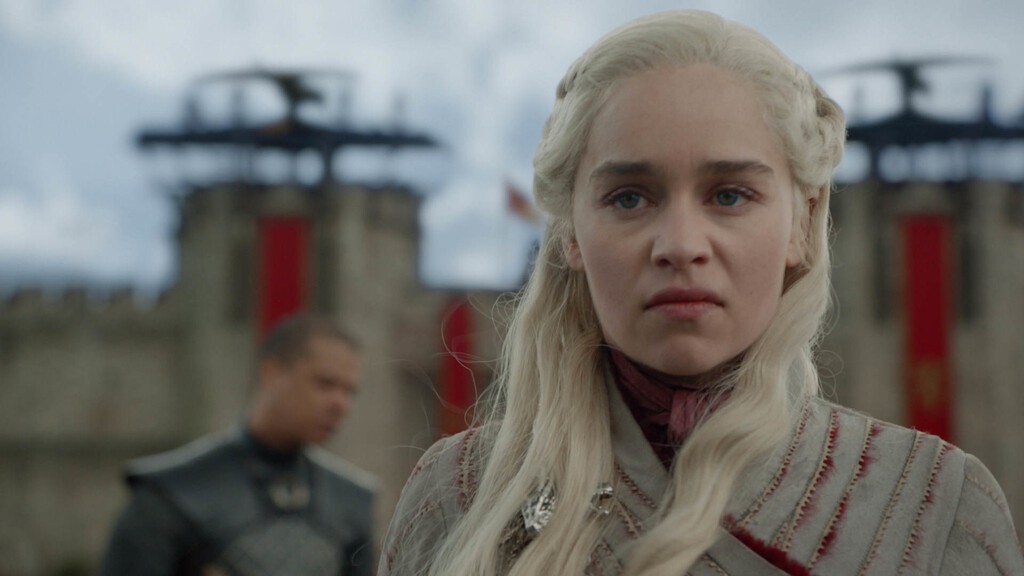
By the time the series surpassed the published material, the showrunners were steering the ship. Martin has since expressed frustration, saying that the story on screen diverged significantly from his vision. This loss of control is what other authors are now determined to avoid.
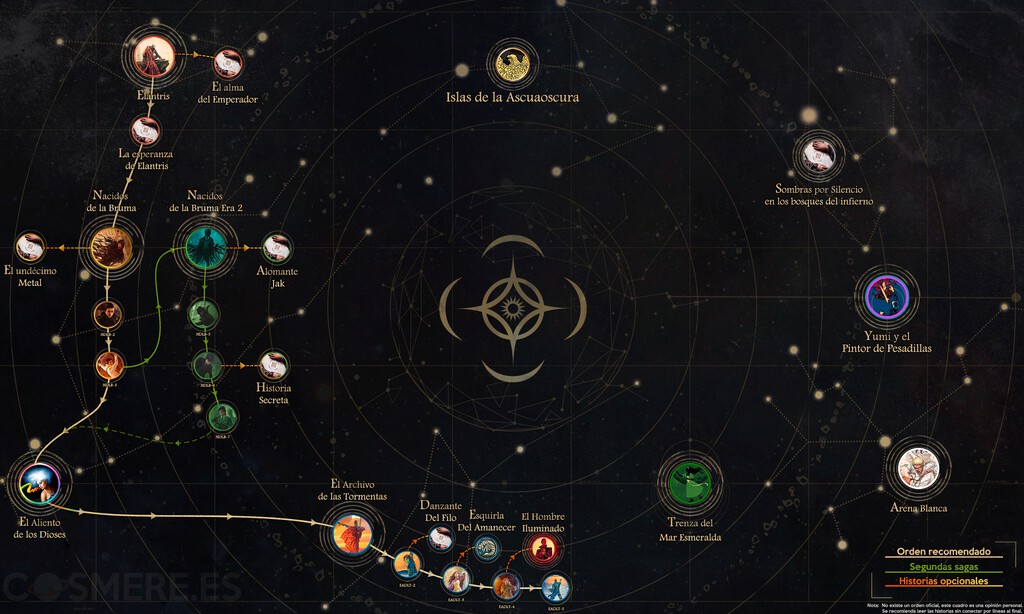
Feeling that the story you gave birth to no longer belongs to you must be one of the worst experiences for a creator. And with the continuous boom of adaptation news keeping outlets like Deadline working at a frenetic pace, names like Brandon Sanderson and Sarah J. Maas are clear that they are not interested in following the path of the eternal debtor of The Winds of Winter.
Authors Who Are Learning from the "Martin Mistake"
Brandon Sanderson, the prolific fantasy author behind the Mistborn and Stormlight Archive series, has been vocal about his desire for creative control in any adaptation. He has stated that he would only sell the rights to his work if he had significant involvement, including script approval and the ability to veto changes that deviate too far from his vision.
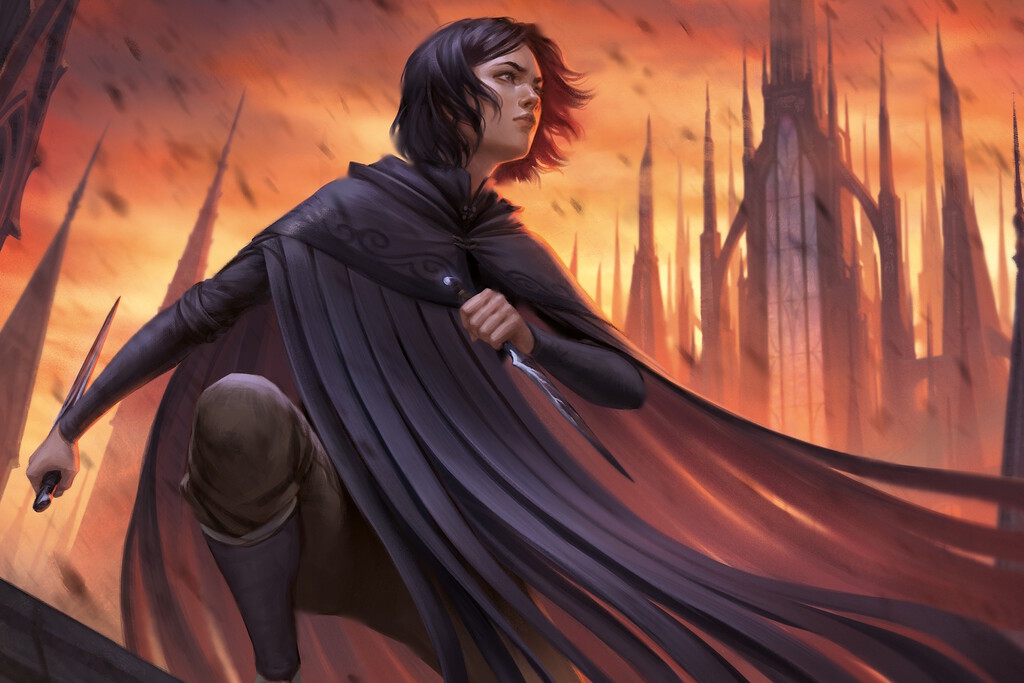
Sarah J. Maas, author of the A Court of Thorns and Roses series, has taken a similarly protective stance. As her books gain popularity and adaptation interest grows, she has emphasized the importance of staying true to the source material and maintaining a seat at the table.
These authors understand that once you sign away your rights, you may lose all say in how your story is told. They are negotiating contracts that include consulting roles, producer credits, and sometimes even final say on key decisions.
What Authors Can Do to Protect Their Work
For authors looking to adapt their work without losing control, there are several strategies to consider. It starts with understanding the terms of any option or rights agreement.
- Negotiate involvement: Ask for a consulting or producer role, even if it's not full creative control.
- Retain approval rights: Seek approval over key elements like casting, script, and major plot changes.
- Know your leverage: If your book is a bestseller, you have more bargaining power.
- Get legal advice: Work with an entertainment lawyer who understands adaptation deals.
- Be prepared to walk away: Sometimes the best deal is the one you don't take.
These steps won't guarantee total control, but they can prevent the feeling of alienation that Martin has described.
Adaptation Deals: Control vs. Compensation
When negotiating adaptation rights, authors often face a trade-off between creative control and financial compensation. The table below compares common scenarios.
| Deal Type | Creative Control | Financial Upside | Author Involvement |
|---|---|---|---|
| Full buyout | None | High upfront | Minimal or none |
| Option with consulting | Some input | Moderate | Consulting fee |
| Producer credit | Significant | Backend participation | Active role |
| Showrunner/EP | High | Salary + backend | Day-to-day involvement |
Each path has its pros and cons. The key is to align the deal with your priorities and long-term goals for the property.
The Future of Author Involvement in Adaptations
As streaming platforms and studios compete for the next big fantasy or sci-fi hit, authors are becoming more savvy about their rights. The success of adaptations like The Witcher (where author Andrzej Sapkowski had limited involvement) and The Expanse (where authors Ty Franck and Daniel Abraham were heavily involved) shows a spectrum of outcomes. The background to this story is set out in George RR Martin Depression: Game of Thrones Author Opens Up. A related thread runs through Game of Thrones Prequel The Mad King Premieres at RSC. Earlier coverage in Game of Thrones: The Mad King Review – Action-Packed Stage Saga shows how the argument developed.
Martin's experience has served as a warning. More authors are now insisting on being part of the creative team, not just a name on the cover. This shift could lead to adaptations that are more faithful to the source material and authors who feel their legacy is intact. A closer look at the same subject appears in Martine Rose Named Balenciaga Creative Director in Historic First. Anyone following the wider picture can start with Game of Thrones Shakespearean Influence: Stage vs Screen. The same theme surfaces in Realme 15 Pro Game of Thrones Limited Edition Giveaway, which takes a different angle.
For fans, the hope is that this trend results in better shows and movies. For authors, it's about protecting the worlds they created. Context on how this played out before sits in Tottenham's Game of Thrones: Igor Tudor's 44-Day Reign. A companion piece, Maisie Williams on Her Tough Childhood and Game of Thrones Fame, approaches the same subject from another angle.
FAQ
Did George R.R. Martin have any control over Game of Thrones?
Martin had significant influence in the early seasons, consulting with showrunners and writing episodes. However, as the show surpassed the books, his control diminished, and he has expressed that the story became something different from his vision.
Which authors are avoiding the "Martin mistake"?
Brandon Sanderson and Sarah J. Maas are among the prominent authors who are negotiating for greater creative control and involvement in adaptations of their work.
How can authors retain control over adaptations?
Authors can negotiate for consulting or producer roles, approval rights over key decisions, and work with entertainment lawyers. Leverage depends on the success of the book and the demand for the property.
What is the biggest risk for authors in adaptation deals?
The biggest risk is losing all creative say and watching your story be altered in ways you disagree with. This can harm the author's brand and alienate fans, which is why many now seek contractual protections.







