

Volvo's SPA 3 platform, debuting in the new EX60 SUV, marks a radical shift in car design: the first Volvo built from the ground up as a software-defined vehicle. At its heart is HuginCore, a central computing brain that replaces dozens of separate electronic control units (ECUs). This isn't just another electric car base—it's a fundamental rethinking of how cars are engineered.
Why Volvo SPA 3 Matters: The End of Distributed ECUs
Modern cars have become rolling computer networks. Each key function—engine, brakes, battery, climate control, infotainment—has its own ECU. In some vehicles, over a hundred of these units coexist, creating massive wiring complexity, added weight, and management headaches. Volvo's SPA 3 aims to end that era by consolidating functions into a single powerful computer.
Find Original Home Decor sparking conversation at Grand Goldman Shop.

This shift mirrors what happened in smartphones: instead of many specialized chips, one powerful processor handles everything. For drivers, that means faster updates, fewer failure points, and the ability to add features over time without hardware changes.
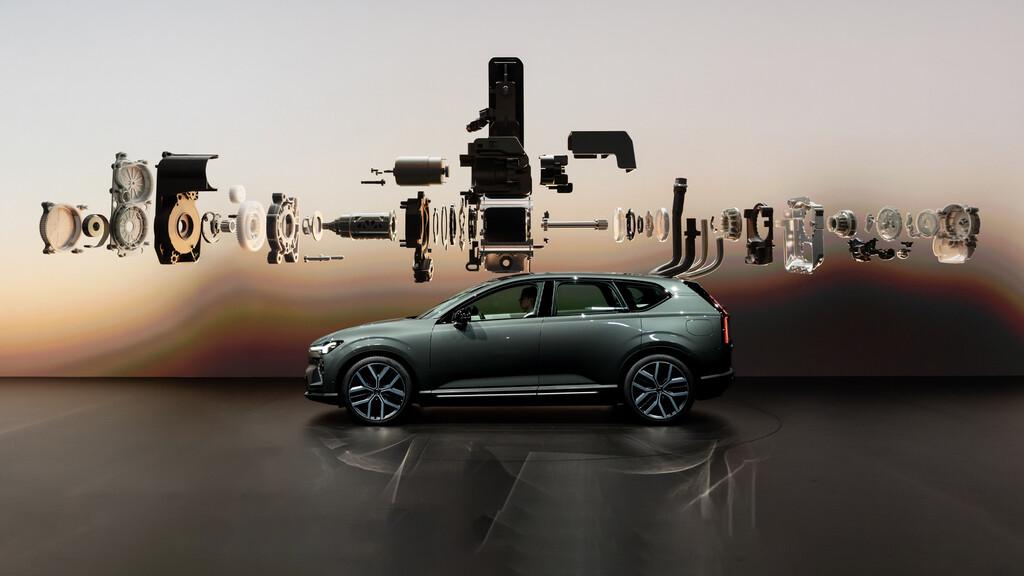
HuginCore: The Central Brain Behind SPA 3
HuginCore is the centerpiece of SPA 3. It's not the battery, the motors, or even the 800-volt architecture—it's the computer that centralizes control. By replacing dozens of ECUs with one system, Volvo reduces wiring, cuts weight, and simplifies software management.
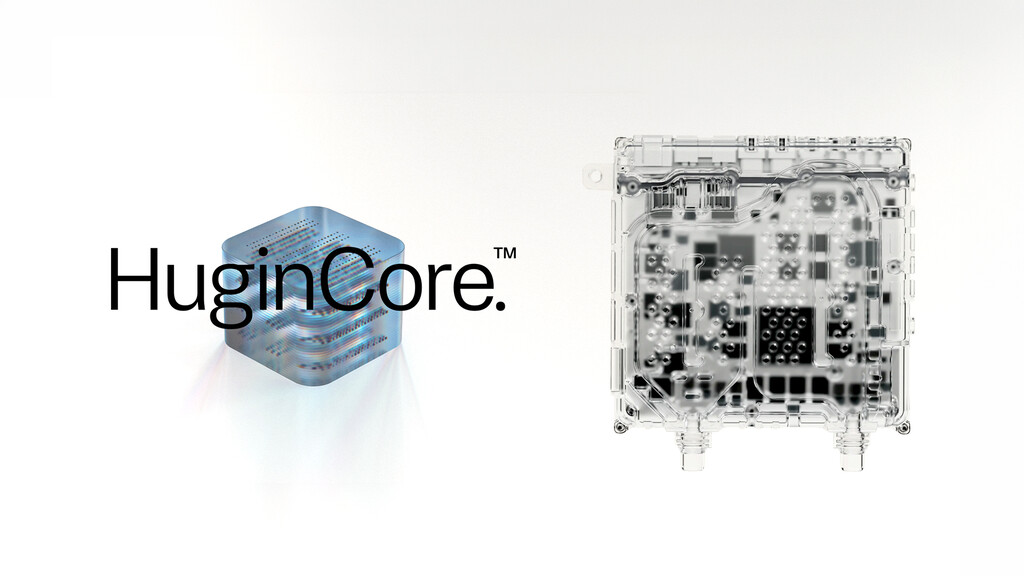
This architecture enables over-the-air updates to affect core vehicle functions, not just infotainment. It also allows Volvo to iterate quickly, pushing performance and efficiency improvements remotely. Context on how this played out before sits in Volvo SPA 3 Platform: One Central Brain for Your Next Car.
Key Takeaways from Volvo's SPA 3
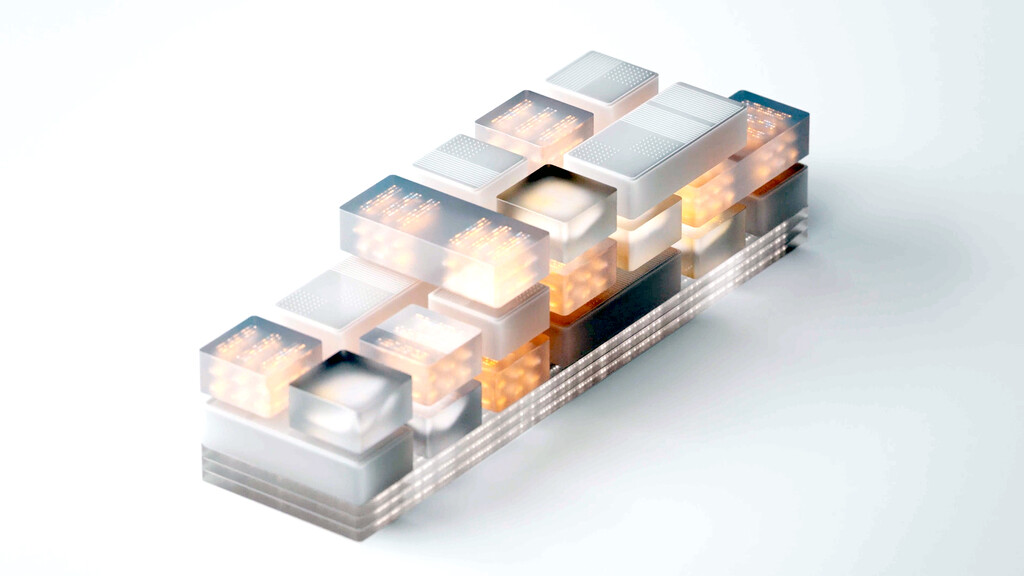
- Centralized computing: HuginCore replaces dozens of ECUs, reducing complexity and weight.
- Software-defined: The EX60 is designed to be updated and improved over its lifetime via software.
- 800-volt architecture: While not the star, it supports faster charging and efficiency.
- Simplified wiring: Fewer ECUs mean less cabling, lower weight, and easier maintenance.
- Future-proofing: The platform is built to adapt to new features and regulations through software.
SPA 3 vs. Traditional Car Architectures
How does Volvo's approach compare to conventional vehicles? The table below highlights the main differences. The background to this story is set out in Trending: latest articles. A related thread runs through Volvo EX60 Launches Four New Road Hazard Alerts for Safer Driving.
| Aspect | Traditional Architecture | Volvo SPA 3 (HuginCore) |
|---|---|---|
| Computing | Distributed ECUs (100+) | Centralized HuginCore |
| Wiring Complexity | High | Low |
| Weight | Higher due to cabling | Reduced |
| Software Updates | Limited to infotainment | Core vehicle functions |
| Scalability | Difficult | High |
What This Means for Drivers and the Industry
For drivers, SPA 3 promises cars that stay up-to-date longer, with new features and improvements delivered wirelessly. It also reduces physical complexity, which could lower maintenance costs and improve reliability. Earlier coverage in Volvo EX60's Smart Seatbelt: The Safety Gadget We Didn't See Coming shows how the argument developed. A closer look at the same subject appears in From Manual Windows to Sci-Fi Tech: How Cars Became Smart Devices.
For the industry, Volvo's move signals a broader shift toward software-defined vehicles. As cars become more connected and autonomous, centralized computing will be essential. Volvo is positioning itself at the forefront of this transition. Anyone following the wider picture can start with China's Car Market: Domestic Sales Drop 20.9% as Exports Soar. The same theme surfaces in Reinventing the Wheel: Omnidirectional Spherical Tires for Motorcycles, which takes a different angle.
FAQ
What is Volvo SPA 3?
SPA 3 is Volvo's next-generation platform for electric vehicles, first used in the EX60. It is designed as a software-defined vehicle architecture, featuring a central computing brain called HuginCore that replaces dozens of separate ECUs.
What is HuginCore?
HuginCore is the central computer in Volvo's SPA 3 platform. It consolidates functions previously handled by many independent ECUs, reducing wiring complexity, weight, and enabling over-the-air updates for core vehicle systems.
Which Volvo model will get SPA 3 first?
The new Volvo EX60 SUV will be the first model to use the SPA 3 platform, marking the debut of HuginCore and Volvo's software-defined vehicle strategy.
Does SPA 3 improve performance?
While performance specifics aren't detailed, the centralized architecture reduces weight and complexity, which can enhance efficiency and allow for software-driven performance improvements over time.







