

Spain is experiencing a snacking shift, with Spaniards increasingly eating more through snacks and occasional nibbles rather than traditional sit-down meals. This change is part of a broader trend called 'snackficación' (snackification), where the way people organize their daily food intake is being transformed.
What Is Snackificación?
Snackificación refers to the growing practice of replacing or supplementing traditional meals with snacks. It's not just about eating between meals; it's about rethinking the structure of daily eating. In Spain, this shift is particularly notable given the country's strong culinary traditions centered around structured meals.
Find Original Home Decor sparking conversation at Grand Goldman Shop.

The term captures a cultural shift where convenience and flexibility take precedence over rigid meal schedules. As lifestyles become busier, people are opting for smaller, more frequent eating occasions.
How Often Do Spaniards Eat?
According to a 2015 survey by the Centro de Investigaciones Sociológicas (CIS), Spaniards average about 3.57 meals on a workday. Half of respondents (50.4%) reported eating three times a day, while 26.1% ate four times. Only 17.7% had five or more meals, a figure consistent with data from the Nestlé Observatory.
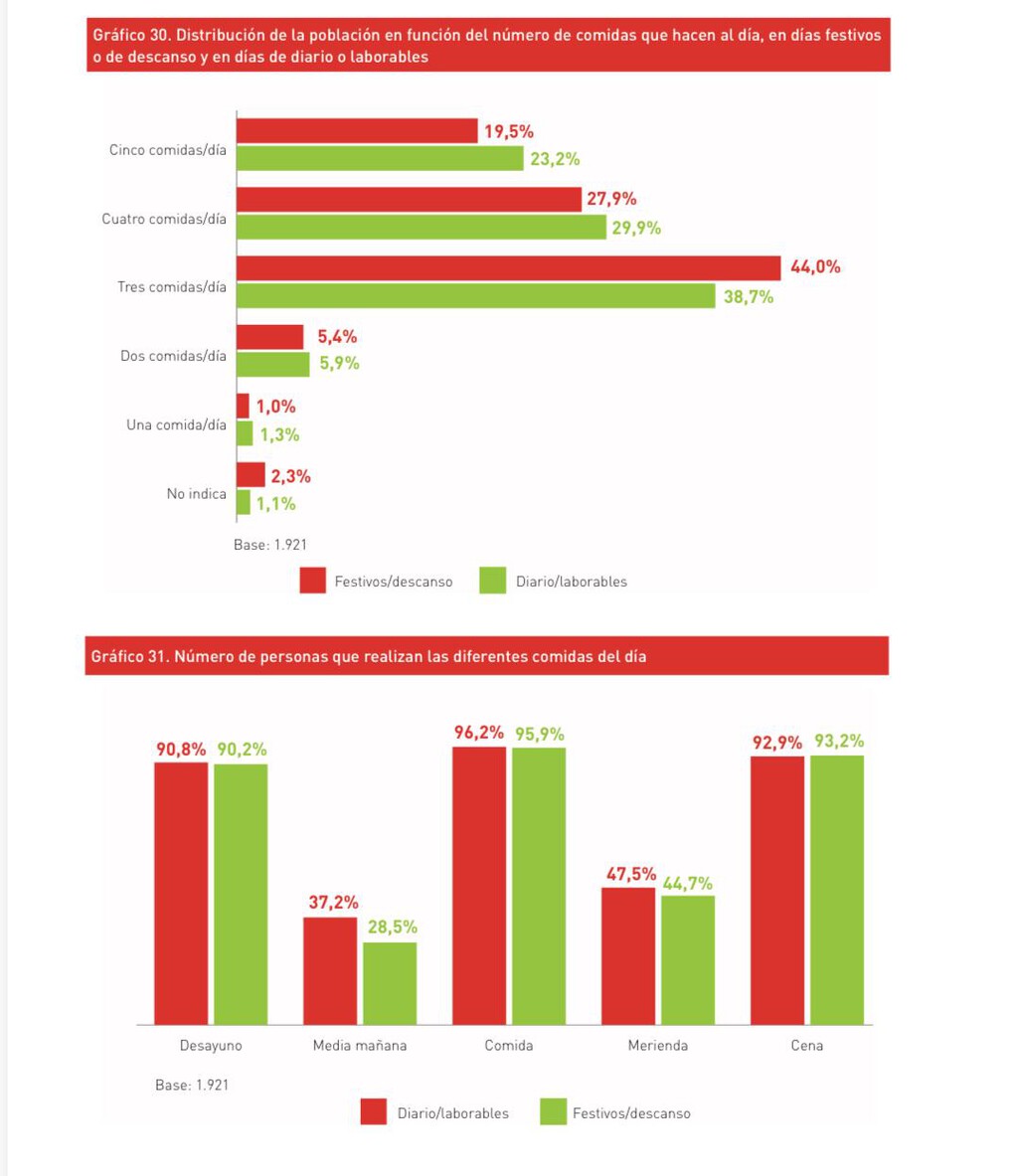
These numbers suggest that while traditional meal patterns still dominate, there is a noticeable portion of the population that eats more frequently, indicating a potential shift towards snacking.
Why Is Snacking on the Rise?
Several factors contribute to the rise of snacking in Spain. Changing work patterns, longer commutes, and busier schedules leave less time for formal meals. Additionally, the food industry has responded with a wider variety of snack options, from healthy bars to convenient packaged foods.
Social changes also play a role. Younger generations may be more accustomed to grazing throughout the day rather than sitting down for three square meals. This generational shift could accelerate the trend.
The Impact on Food Culture and Business
The snacking trend has significant implications for the food industry. Companies are adapting by offering more snack-sized portions and marketing products as convenient alternatives to full meals. Restaurants and cafes are also adjusting their menus to include smaller, snack-like options. The longer history behind the story is traced in Spain's Snacking Shift: Why Spaniards Are Eating More Between Meals.
For traditional Spanish cuisine, which emphasizes communal meals and elaborate dishes, this shift could pose challenges. However, it also opens opportunities for innovation, such as creating healthier snack options that align with Mediterranean diet principles. The background to this story is set out in Ozempic Reshapes Eating Habits as Ultra-Processed Foods Cash. A related thread runs through Spain's Snack Boom: Sales Hit €3.25 Billion as Diet Shifts. Earlier coverage in Snacking Isn't the Enemy: The Secret to Healthy Grazing shows how the argument developed.
What to Watch Next
As snacking continues to evolve, keep an eye on how food companies position their products and how traditional meal patterns adapt. The rise of snacking could lead to changes in portion sizes, meal timing, and even the definition of a meal itself. A closer look at the same subject appears in Snacking Well: The Secret to Healthy Grazing and Better Energy. Anyone following the wider picture can start with Halloween Babybel Cheese Monsters: Fun Snack for Kids. The same theme surfaces in Trending: latest articles, which takes a different angle.
Understanding these shifts is crucial for businesses and policymakers alike, as they navigate the changing landscape of food consumption in Spain. Context on how this played out before sits in Tortilla de Patatas Debate: 71% of Spaniards Agree on Onion. A companion piece, Young Spaniards Reject AI: 'It's Making Us Stupid', approaches the same subject from another angle.
FAQ
What is snackificación?
Snackificación is the trend of replacing or supplementing traditional meals with snacks, reflecting a shift in how people organize their daily eating habits.
How many times a day do Spaniards eat?
On average, Spaniards eat about 3.57 times a day on workdays, with half eating three meals and a quarter eating four.
Why is snacking becoming more popular in Spain?
Busier lifestyles, changing work patterns, and a wider variety of snack options are driving the increase in snacking.
How does snacking affect the food industry?
The food industry is adapting by offering more snack-sized portions and convenient products, and restaurants are adding smaller options to their menus.
Browse the Shop
 Acacia frida deluxe solid wood bed frame |
Bedroom bench |
Bed chest drawers |
Lingerie dresser |
Frame base |
Mirror with jewelry storage |
30 Bathroom Vanity |
Memory foam queen mattress |
Mattresses for back pain |
Nightstand set of 2 |
Grand Goldman Shop |
Civil Lawyer
Deutschland Trikot WM 2026







