

China's tourism sector is emerging as the next big economic frontier, following in the footsteps of solar panels and electric vehicles. The country is rapidly expanding its global tourism footprint, challenging traditional leaders like the US and reshaping the international travel landscape.
After the pandemic, global tourism has rebounded strongly. The UN tourism observatory reported a 4% increase in international travel flows last year, and the World Travel & Tourism Council (WTTC) estimates the sector now accounts for nearly 10% of global GDP. This resurgence has been driven by pent-up demand, with families eager to travel again after years of restrictions.
Find Original Home Decor sparking conversation at Grand Goldman Shop.

China's Tourism Surge: A Historical Sorpasso?
The WTTC has noted significant differences in the tourism trajectories of the two largest economies: the US and China. While the US has seen steady growth, China's tourism sector is expanding at a faster pace, potentially leading to a historic overtake. This shift could redefine the global tourism hierarchy.
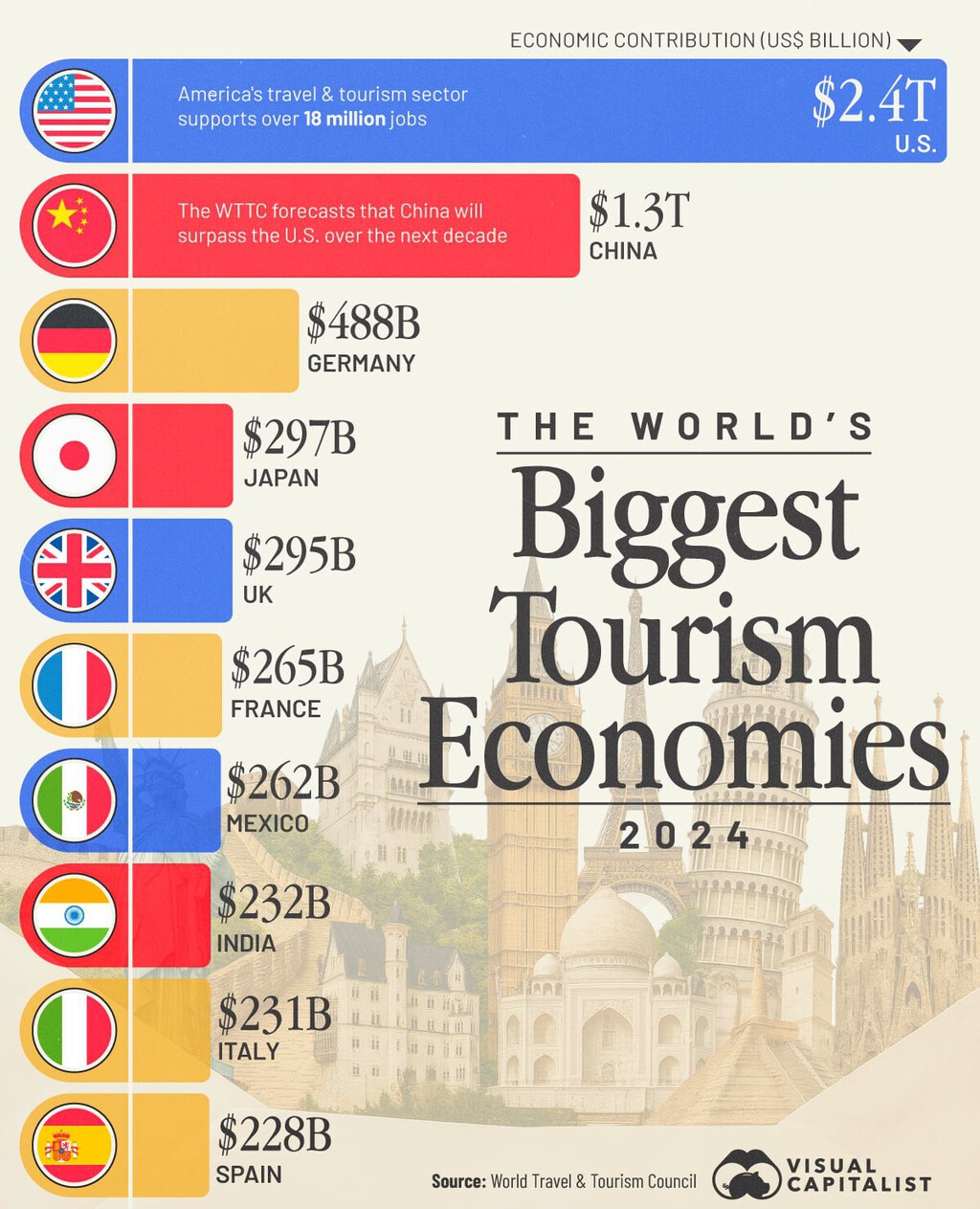
China's domestic tourism has roared back to life, and outbound travel is also picking up. The country's middle class is growing, and with it, the desire to explore beyond borders. Chinese travelers are increasingly seeking diverse destinations, from Europe to Southeast Asia, fueling demand for international flights and hospitality services.

Key Drivers Behind China's Tourism Boom
- Rising middle class: More Chinese citizens can afford international travel.
- Government support: Policies to boost tourism and ease travel restrictions.
- Infrastructure investment: Expanded airports, high-speed rail, and digital platforms.
- Pent-up demand: Post-pandemic eagerness to explore new destinations.
- Digital innovation: Mobile payments and travel apps streamline the experience.
The WTTC's latest calculations show that 2025 was the best year in history for the tourism sector in terms of economic growth. Its contribution to global GDP exceeded €10.7 trillion, close to 10% of the total. This growth has been uneven, however, with China outpacing many other markets.
Comparing Tourism Growth: China vs. US
While the US remains a tourism powerhouse, China's rapid ascent is noteworthy. The table below compares key indicators for both countries.
| Indicator | China | US |
|---|---|---|
| Tourism GDP contribution (2025) | ~11% | ~9% |
| International arrivals growth (YoY) | +8% | +3% |
| Outbound travelers (millions) | 150 | 90 |
| Tourism infrastructure investment | High | Moderate |
These figures highlight China's aggressive push to become a top tourism economy. The country's investments in infrastructure, such as new airports and high-speed rail networks, are making travel more accessible and attractive for both domestic and international visitors.
What This Means for Global Travelers
For travelers, China's tourism boom could mean more options and competitive pricing. As Chinese airlines expand routes and hotels cater to Chinese tourists, global travelers may benefit from increased connectivity and services. However, it also means more competition for popular destinations, potentially leading to overcrowding in some areas.
Moreover, China's outbound tourism is reshaping global destinations. Countries are rolling out welcome mats, from visa-free policies to Chinese-language services, to attract high-spending Chinese travelers. This shift is particularly noticeable in Asia-Pacific and Europe. The background to this story is set out in Antarctica Tourism Boom: The Last Untouched Frontier Opens. A related thread runs through Poland's Military Spending Boom: Economic Growth or Risk. Earlier coverage in Greenland Tourism Boom: New Airports Drive Visitor Growth shows how the argument developed.
Challenges on the Horizon
Despite the optimism, challenges remain. Geopolitical tensions, such as the recent Iran war, have cooled some travel sentiment. Economic uncertainties and potential trade disputes could also impact tourism flows. Additionally, sustainability concerns are growing as tourism numbers surge, putting pressure on infrastructure and environments. A closer look at the same subject appears in China's Dark Tourism Boom: Simulated Typhoons Drive Travel Trend. Anyone following the wider picture can start with Spain's Tourism Boom: 25 Million More Visitors Strain Infrastructure. The same theme surfaces in Japan's Wedding Tourism Boom: Tying the Knot in a Crowded Theme Park, which takes a different angle.
China's tourism sector must navigate these hurdles while maintaining growth. The government's focus on high-quality development and sustainable tourism will be crucial in shaping the future. Context on how this played out before sits in Spain's Longevity Tourism Boom: A Global Health Destination.
FAQ
What is driving China's tourism growth?
China's tourism growth is driven by a rising middle class, government support, infrastructure investment, and pent-up post-pandemic demand. Digital innovation also plays a key role in making travel more convenient.
Will China overtake the US in tourism?
While the US remains a dominant player, China's faster growth rate could lead to an overtake in the coming years. The WTTC notes significant differences in the trajectories of the two economies.
How does China's tourism boom affect global travelers?
Global travelers may benefit from increased connectivity and competitive pricing as Chinese airlines and hotels expand. However, popular destinations may face overcrowding, requiring sustainable management.
What are the challenges for China's tourism sector?
Geopolitical tensions, economic uncertainties, and sustainability concerns pose challenges. China must balance growth with responsible practices to ensure long-term success.
As China's tourism sector continues to expand, it's clear that the country is not just a source of tourists but also a growing destination. The world is watching closely to see if this boom will lead to a new era of global tourism leadership. For those interested in how China is transforming other industries, the country's advancements in fusion energy are equally impressive, with projects like China's 582-ton magnet for artificial sun fusion energy showcasing its technological ambitions.
In the energy sector, China's push for renewables has already disrupted global markets. The same determination is now being applied to tourism, with massive investments in infrastructure and marketing. This could soon make China the world's top tourism economy, a title held by the US for decades.
For travelers, this shifting landscape offers new opportunities and choices. Whether you're planning a trip to China or exploring other destinations, understanding these trends can help you make informed decisions. And as China continues to innovate, its impact on global industries—from energy to travel—will only grow.







