

The EU's right to repair directive (Directive (EU) 2024/1799) is set to take effect on July 31, 2024, marking a significant victory for consumers. This legislation aims to make repairs easier and more attractive, extending product lifespans and reducing electronic waste.
Under the new rules, manufacturers will be required to repair devices even after the warranty expires, promoting a circular economy and challenging the throwaway culture.
Find Original Home Decor sparking conversation at Grand Goldman Shop.

What the Right to Repair Directive Entails
The directive establishes common rules across the EU to promote the repair of goods. It modifies existing regulations to ensure that repairs are more accessible and affordable for consumers.
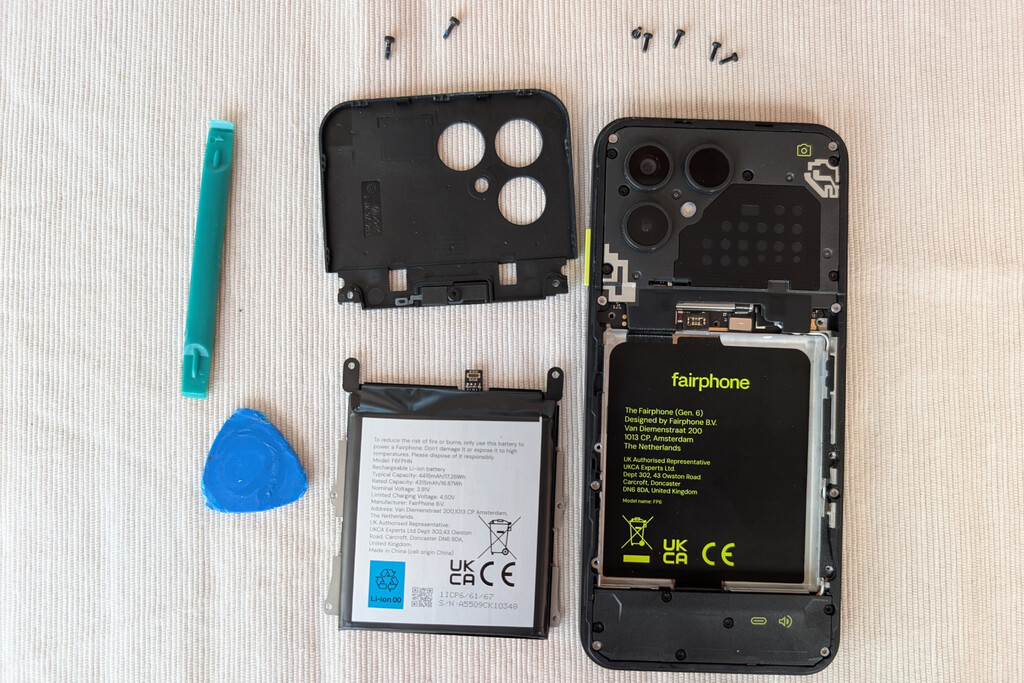
Key aspects include obligations for manufacturers to repair products beyond the legal guarantee period and incentives for consumers to choose repair over replacement.
Key Provisions of the Directive
- Manufacturers must repair devices even after warranty expires.
- Repairs must be offered at a reasonable price and within a reasonable time.
- Consumers have the right to choose repair over replacement.
- Member states must provide incentives for repairs, such as repair vouchers.
- Manufacturers must provide spare parts and repair information.
Why This Matters for Consumers
This directive empowers consumers by giving them more options when their devices break. Instead of being forced to buy new products, they can opt for repairs, saving money and reducing waste.
It also addresses planned obsolescence by requiring manufacturers to design products that last longer and are easier to repair.
Impact on Electronic Waste
By encouraging repairs, the directive aims to reduce the growing problem of electronic waste. Extending the life of products means fewer devices end up in landfills, conserving resources and reducing environmental impact.
How the Directive Works in Practice
Consumers will be able to request repairs from manufacturers or authorized repairers. Manufacturers must provide repair services for a specified period after purchase, even beyond the warranty.
If a repair is not possible, consumers may still choose replacement or refund, but the emphasis is on repair first. The background to this story is set out in Norway's Plan to Reverse Internet Enshittification.
Repair vs. Replace: What to Expect
| Aspect | Before Directive | After Directive |
|---|---|---|
| Repair after warranty | Often unavailable or costly | Required at reasonable cost |
| Spare parts availability | Limited | Must be provided |
| Consumer choice | Replacement encouraged | Repair prioritized |
| Environmental impact | High e-waste | Reduced e-waste |
Challenges and Considerations
While the directive is a step forward, challenges remain. Manufacturers may need to adapt their business models, and repair infrastructure must be expanded. The longer history behind the story is traced in John Deere Loses Repair Monopoly: 10-Year FTC Oversight. More on the surrounding debate is collected in John Deere Pays $99 Million in Right-to-Repair Settlement.
Consumers should be aware of their rights and how to exercise them. Education and awareness campaigns will be crucial for the directive's success. The background to this story is set out in Right-to-Repair Laws Surge Across US: What It Means for Consumers. A related thread runs through Right-to-Repair Laws Surge Across US: The Impact. Earlier coverage in Disaster Insurance, Datacenters, Right to Repair: Green Midterm shows how the argument developed.
What Manufacturers Need to Do
Manufacturers must ensure they can repair products and provide spare parts. They also need to inform consumers about repair options and costs. A closer look at the same subject appears in The right way to repair holes in your Drywall walls!. Anyone following the wider picture can start with Gymnastics Academy Refund Rights: Consumer Protection Guide. The same theme surfaces in Wheelchair Return Denied After Daughter's Death: Consumer Rights, which takes a different angle.
This may require changes in product design to facilitate repairs and longer availability of parts. Context on how this played out before sits in Consumer Rights Champion: How to Get Treated Fairly by Companies. A companion piece, Crack Down on Rip-Off Britain: Consumer Rights and Voter Benefits, approaches the same subject from another angle.
FAQ
What is the right to repair directive?
The right to repair directive is an EU law that requires manufacturers to repair products even after the warranty expires, making repairs more accessible and affordable for consumers.
When does it take effect?
The directive enters into force on July 31, 2024, and member states have until 2026 to transpose it into national law.
Does it apply to all products?
It applies to a wide range of products, including household appliances, electronics, and other goods, with some exceptions.
How can consumers benefit?
Consumers can save money by repairing instead of replacing, and they contribute to reducing electronic waste.







