

The Shenzhen Metro is often hailed as the world's best rapid transit system, a testament to China's extraordinary urban development. In just two decades, this city transformed from a modest fishing village into a tech metropolis of over 17 million people, and its metro grew alongside it.
What sets the Shenzhen Metro apart is not just its size or speed of expansion, but a third variable rarely seen in the West: design ambition. While Western cities often opt for functional, budget-constrained projects, Shenzhen has built entire lines in a few years, with stations that look straight out of science fiction.
Find Original Home Decor sparking conversation at Grand Goldman Shop.

The Rise of Shenzhen and Its Metro
Shenzhen's journey from a small town of 330,000 to a global tech hub is well-known. Home to giants like Huawei, Tencent, DJI, and BYD, the city's growth has been nothing short of explosive. The metro network has kept pace, becoming a symbol of the city's relentless innovation.
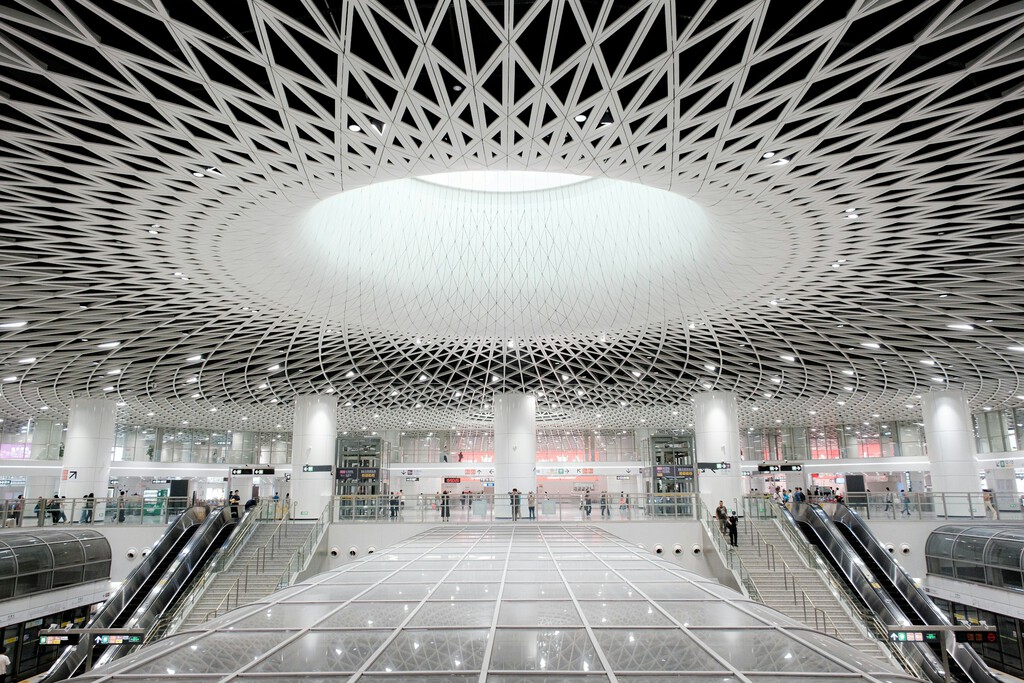
The first line opened in 2004, and since then, the network has expanded at breakneck speed. Today, the Shenzhen Metro boasts 635 kilometers of track, 441 stations, and 17 lines, leading the country in network density (0.30 km/km²). This density means that most residents are within walking distance of a station, making the metro the backbone of urban mobility.
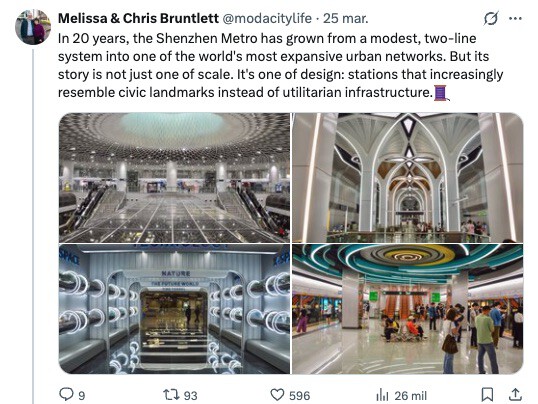
Design Ambition: Stations from Science Fiction
What truly distinguishes Shenzhen's metro is its design. Stations are not just functional spaces; they are architectural marvels. Many feature futuristic designs with sleek lines, bold colors, and innovative use of light and space. Some stations incorporate art installations and interactive displays, turning commuting into an experience.
This design ambition reflects the city's broader ethos: to be a leader in technology and innovation. It also serves a practical purpose—attractive stations encourage public transit use, reducing traffic congestion and pollution.
Speed of Expansion: A Record-Breaking Pace
Shenzhen has built entire metro lines in just a few years, a feat that would take decades in many Western cities. For example, Line 11, which connects the city center to the airport, was completed in just four years. This rapid expansion is possible due to China's centralized planning and efficient construction processes.
The city's ability to mobilize resources and execute large-scale projects quickly is a key factor. However, it also raises questions about sustainability and long-term planning, which Shenzhen addresses through continuous innovation.
Comparison with Western Transit Systems
Western cities often struggle with aging infrastructure, budget constraints, and bureaucratic hurdles. Projects like New York's Second Avenue Subway took decades and billions of dollars. In contrast, Shenzhen's metro is a model of efficiency and ambition. The background to this story is set out in Autonomous Rail Rapid Transit: China's Trackless Tram Explained. A related thread runs through China's AI Infrastructure Strategy Expands to Brazil with Alibaba Cloud. Earlier coverage in 15 Modest Summer Outfits for a Chic Look shows how the argument developed.
The table below summarizes key differences:
| Aspect | Shenzhen Metro | Typical Western Metro |
|---|---|---|
| Expansion speed | Entire lines in 3-5 years | Decades for single extensions |
| Design focus | Futuristic, iconic stations | Functional, cost-driven |
| Network density | 0.30 km/km² (highest in China) | Varies, often lower |
| Integration with tech | Smart ticketing, real-time info | Mixed, often outdated |
Key Takeaways from Shenzhen's Success
- Political will and centralized planning enable rapid decision-making and execution.
- Design ambition creates iconic stations that boost ridership and civic pride.
- Integration with technology enhances user experience and operational efficiency.
- Density-focused network ensures accessibility for all residents.
- Continuous expansion keeps pace with urban growth.
What This Means for Urban Mobility Worldwide
Shenzhen's metro offers a blueprint for other cities. It shows that with vision and determination, rapid transit can be transformative. However, it also highlights the importance of context—Shenzhen's success is tied to China's unique governance and economic model. A closer look at the same subject appears in Modest Bank Tax Increase Is Not the End of the World for Lenders. Anyone following the wider picture can start with Madrid Metro Line 11 Tunnel Boring Machine Advances Rapidly. The same theme surfaces in Dreame's Navee Expands Into Electric Scooters and Urban Mobility, which takes a different angle.
For Western cities, the lesson is not to replicate Shenzhen exactly but to adopt its ambition and willingness to invest in bold projects. As urbanization accelerates globally, efficient public transit will be crucial for sustainability and quality of life. Context on how this played out before sits in China's New AI Metro: How CRRC's VELLINK Changes Urban Transit. A companion piece, Shenzhen's Streets Are Dominated by a Plague of Motorcycles, Not EVs, approaches the same subject from another angle.
FAQ
How long did it take to build the Shenzhen Metro?
The first line opened in 2004, and the network has expanded rapidly since, with entire lines completed in just a few years. The metro now spans 635 kilometers.
What makes the Shenzhen Metro the best in the world?
Its combination of size, speed of expansion, and design ambition sets it apart. Stations are futuristic and iconic, and the network is highly dense and tech-integrated.
How does the Shenzhen Metro compare to Western metros?
Shenzhen's metro expands much faster and features more ambitious design. Western metros often face budget constraints and bureaucratic delays, resulting in slower, more functional projects.
Can other cities replicate Shenzhen's success?
While the context differs, other cities can adopt Shenzhen's ambition and willingness to invest in bold transit projects. Political will and efficient execution are key.







