

When shopping for a new TV, you'll likely encounter a confusing alphabet soup of HDR formats: Dolby Vision, HDR10+, and HLG. While all aim to improve picture quality, they work differently and deliver varying results. This guide breaks down the key differences so you can make an informed decision.
What is HDR and why does it matter?
High Dynamic Range (HDR) technology enhances the contrast between dark and bright areas on your screen. While 4K resolution adds more pixels, HDR makes each pixel better by delivering more vibrant colors and deeper blacks. This results in a more realistic and immersive viewing experience.
Find Original Home Decor sparking conversation at Grand Goldman Shop.

HDR10: The baseline standard
HDR10 is the most common HDR format, used by all TVs and streaming platforms. It's an open standard, so manufacturers don't pay royalties and typically include it. However, HDR10 uses static metadata, meaning brightness and color levels are set for the entire movie or show, regardless of scene changes.
Dolby Vision: Dynamic metadata for superior contrast
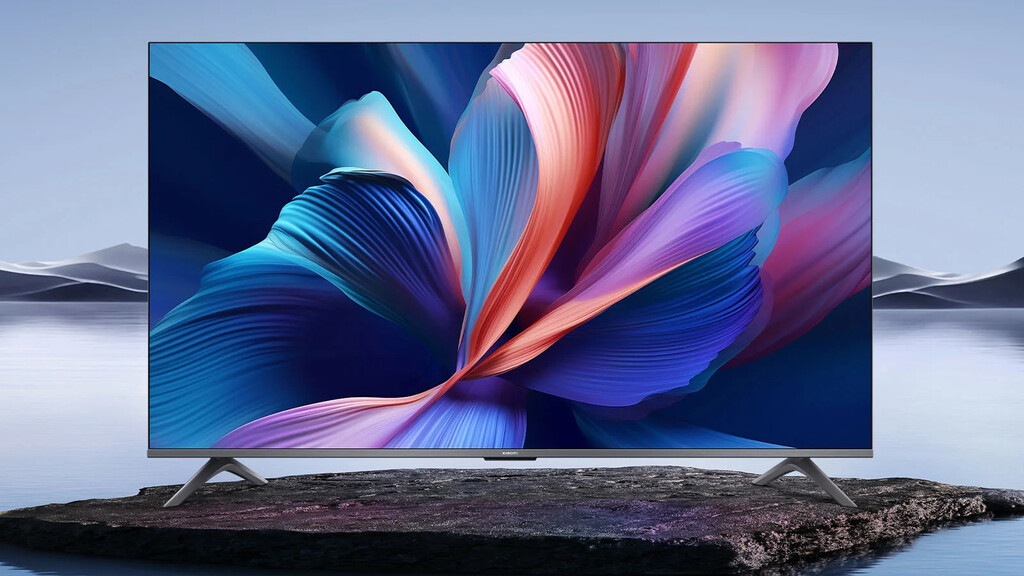
Dolby Vision uses dynamic metadata to adjust brightness and color scene by scene, delivering more precise contrast and detail. It requires licensed hardware and is common on high-end TVs from brands like LG, Sony, and TCL. Streaming services like Netflix and Disney+ offer Dolby Vision content.

HDR10+: Samsung's dynamic alternative
HDR10+ also uses dynamic metadata but is an open standard, free for manufacturers. It's supported by Samsung, Panasonic, and others, and is available on Amazon Prime Video and some other platforms. While similar to Dolby Vision, HDR10+ has fewer compatible devices and less content. The background to this story is set out in Asus ROG Xbox Ally X20: OLED, Dolby Vision, and What's New. A related thread runs through Hisense 55E8Q MiniLED TV: Dolby Vision, Atmos & Gaming at 398 Euros.
HLG: Designed for broadcast
Hybrid Log-Gamma (HLG) is developed for broadcast TV and live streaming. It doesn't use metadata; instead, it encodes HDR info in the signal, making it backward compatible with SDR TVs. HLG is used by BBC iPlayer and some sports broadcasts. Earlier coverage in LG OLED C5 Deal at Carrefour: 144Hz Dolby Vision Gaming TV shows how the argument developed. A closer look at the same subject appears in Asus ROG Swift OLED Monitors: 480Hz Dual Mode and Dolby Vision.
Comparison table
| Feature | HDR10 | Dolby Vision | HDR10+ | HLG |
|---|---|---|---|---|
| Metadata | Static | Dynamic | Dynamic | None (signal-based) |
| Licensing | Open | Proprietary | Open | Open |
| Max brightness | 1,000 nits | 4,000 nits | 4,000 nits | 1,000 nits |
| Bit depth | 10-bit | 12-bit | 10-bit | 10-bit |
| Streaming support | Universal | Netflix, Disney+, etc. | Amazon Prime Video, etc. | BBC iPlayer, live sports |
Which HDR format should you choose?
If you want the best picture quality and your TV supports it, Dolby Vision offers superior contrast and color accuracy. HDR10+ is a good alternative, especially for Samsung TV owners. HLG is ideal for broadcast content. Ultimately, your choice depends on your TV and streaming services. Anyone following the wider picture can start with Carrefour Outlet Deal: TCL 75-Inch QLED TV with Dolby Vision & Atmos. The same theme surfaces in Hisense E7Q Pro 55" QLED TV at Outlet Price: 144Hz Gaming and Dolby Vision, which takes a different angle.
- Dolby Vision provides dynamic metadata and is widely supported on high-end TVs and streaming platforms.
- HDR10+ offers similar dynamic metadata but is open and free, mainly supported by Samsung and Amazon.
- HLG is designed for broadcast and live streaming, with no metadata and backward compatibility.
- HDR10 is the baseline standard with static metadata, universally supported.
- Check your TV's HDR support and your favorite streaming services' offerings before buying.
FAQ
What is the difference between Dolby Vision and HDR10+?
Both use dynamic metadata to optimize each scene, but Dolby Vision is proprietary and supports up to 12-bit color and 4,000 nits, while HDR10+ is open and supports 10-bit color and up to 4,000 nits. Dolby Vision is more common on high-end TVs and streaming services.
Do I need a special TV to watch Dolby Vision?
Yes, your TV must support Dolby Vision. Many mid-range and high-end TVs from brands like LG, Sony, and TCL include it. Check the specifications before purchasing.
Is HLG better than HDR10?
HLG is designed for broadcast and live streaming, offering backward compatibility with SDR TVs. HDR10 is a static format for pre-recorded content. Neither is inherently better; it depends on the content you watch.
Which streaming services offer Dolby Vision and HDR10+?
Netflix, Disney+, and Apple TV+ offer Dolby Vision. Amazon Prime Video and some others offer HDR10+. Availability varies by title and region.
Browse the Shop
 Acacia frida deluxe solid wood bed frame |
Bedroom bench |
Bed chest drawers |
Lingerie dresser |
Frame base |
Mirror with jewelry storage |
30 Bathroom Vanity |
Memory foam queen mattress |
Mattresses for back pain |
Nightstand set of 2 |
Grand Goldman Shop |
Civil Lawyer
Deutschland Trikot WM 2026







