

AI pool cleaning has quietly moved from a gadget novelty to a genuine scheduling assistant. The new Scuba V3 series from Aiper uses what the company calls cognitive AI to build automatic weekly cleaning plans, and it is a small but telling sign of where consumer robotics is heading.
Instead of waiting for a human to press start, these robots decide when the work should happen. That shift — from automation to judgment — is the real story here, and it matters far beyond the backyard.
Find Original Home Decor sparking conversation at Grand Goldman Shop.

What the Scuba V3 Actually Does
The Scuba V3 robots are equipped with a mode called AI Navium™, which Aiper describes as cognitive AI. The robot inspects the state of the pool, interprets the best options for cleaning it, and adapts in real time to what it finds.
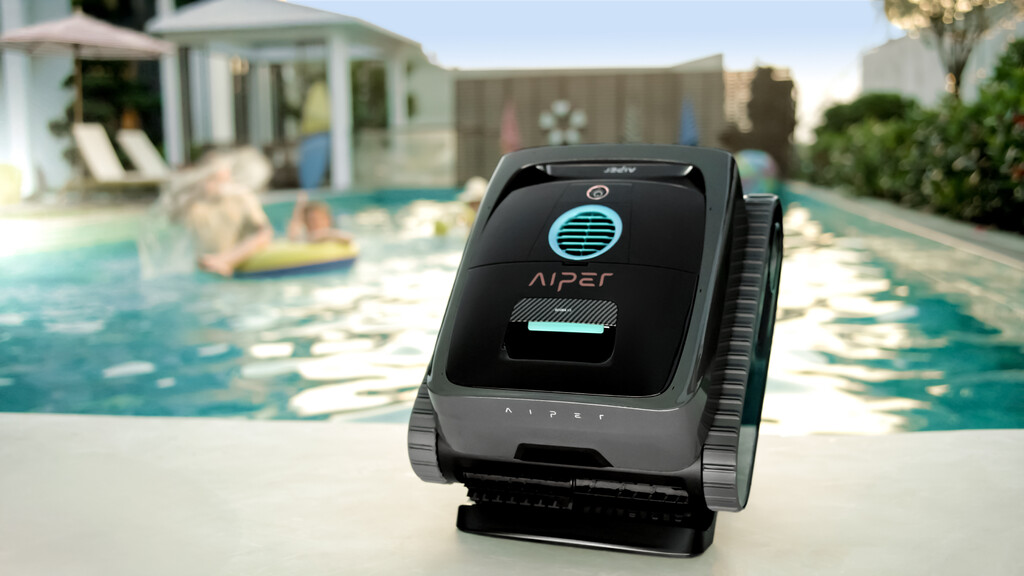
From that data it generates automatic weekly plans. The system factors in pool size, the level of dirt, the history of previous cleanings, and even the weather forecast.
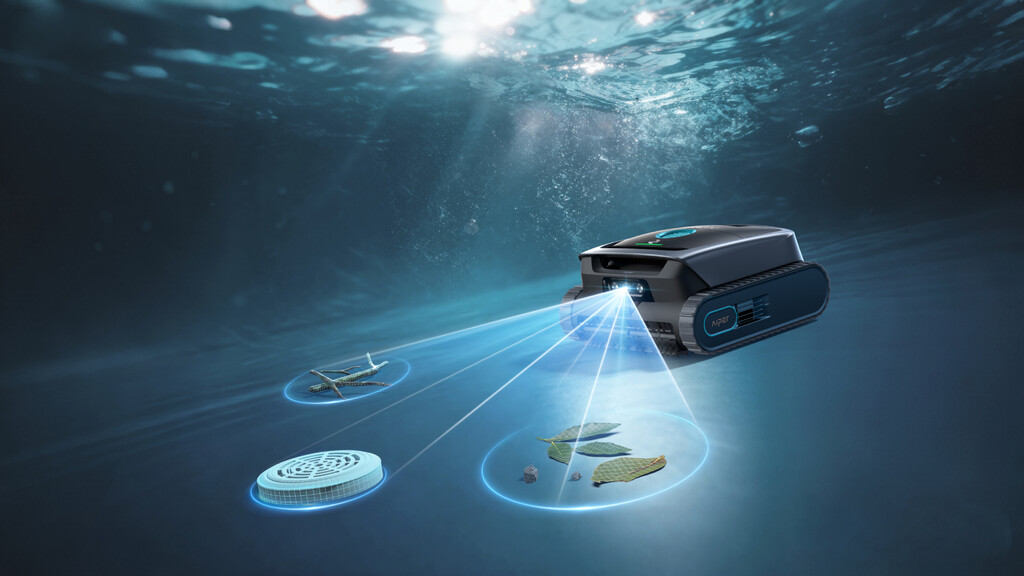
That last input is the most interesting one. Anyone who owns a pool knows the internal debate: it just rained, tomorrow looks windy, the weekend is coming. Do you clean now or wait? The robot now runs that calculation itself.

Why Weather-Aware Cleaning Matters
Pool maintenance is not a fixed-interval task. Rain dumps debris and shifts water chemistry. Wind pushes leaves in hours after a cleaning. A rigid timer either over-cleans a clean pool or misses the moment when the water actually needs attention.

By weighing weather alongside dirt level and cleaning history, the Scuba V3 aims at a smarter question: not when is the next scheduled run, but when is the best moment to run. That is a meaningful difference in how useful the device feels day to day.
It also reduces the mental load that pool owners carry. The decision moves off your shoulders and onto the device.
Key Takeaways for Buyers
- Cognitive AI planning: the Scuba V3 builds weekly schedules automatically rather than relying on fixed timers.
- Weather-aware decisions: forecasts are part of the planning logic, alongside dirt level and cleaning history.
- Real-time adaptation: the robot adjusts to the pool's condition as it works, not just to a preset route.
- Availability: the series is sold in Spain from March through Leroy Merlín and El Corte Inglés at a special price of 999 euros.
- Broader trend: home robots are moving from doing tasks to deciding when tasks should be done.
Comparing the Old and New Approach
The difference between a traditional pool robot and a cognitive one is easiest to see side by side. The table below summarizes how the two approaches handle the same job.
| Feature | Traditional Pool Robot | Scuba V3 with AI Navium™ |
|---|---|---|
| Scheduling | Manual or fixed timer | Automatic weekly plan |
| Weather input | None | Forecast included in planning |
| Dirt assessment | Fixed route regardless of condition | Reads pool state and adapts |
| Cleaning history | Not used | Factored into decisions |
| Owner involvement | Decide when to run | Device decides when to run |
The Bigger Picture: Robots That Decide
Pool cleaning is a strange place to find a preview of the future, but that is exactly what makes it worth watching. The Scuba V3 does not just automate a chore — it takes over a judgment call that owners used to make themselves.
Aiper frames this as a scenario that is increasingly present and increasingly demanded in technology: devices that do not merely automate household tasks but decide when it is best to perform them.
If that pattern holds, the same logic will spread to other home systems — lawn care, irrigation, air quality, energy use. The question shifts from “can the machine do the task” to “can the machine decide when the task is worth doing.”
Why This Is Harder Than It Sounds
Deciding when to clean requires the robot to weigh competing signals: current dirt, recent rain, upcoming wind, and the owner's expectation of a clean pool by the weekend. Getting that balance wrong is worse than a simple timer, because a smart device that skips a needed cleaning erodes trust fast.
That is why the combination of real-time sensing and historical data matters. The plan is only as good as the inputs behind it.
Who This Affects
Pool owners are the obvious beneficiaries, especially those who travel or who simply resent the weekly guesswork. But the more important audience is anyone watching consumer AI mature.
Each device that successfully takes over a small decision builds the case for taking over larger ones. The pool robot is a low-stakes proving ground for a much bigger idea. The background to this story is set out in Beatbot Sora 70 Pool Robot: Hands-Free Cleaning for Busy Owners. A related thread runs through Aiper IrriSense 2 Review: Smart Sprinkler Tested and Reviewed. Earlier coverage in Aiper Pool Vacuum Reviews shows how the argument developed.
What to Watch Next
The Scuba V3's real test will be whether its weekly plans actually match what owners would have chosen themselves. If the robot reliably gets the pool clean before the weekend without wasted runs, the cognitive approach earns its place. A closer look at the same subject appears in Trending: latest articles. Anyone following the wider picture can start with Mova E50 Ultra Review: The Robot Vacuum I Recommend. The same theme surfaces in Dyson Spot+Scrub Ai Robot Vacuum: AI and Hot Water Cleaning, which takes a different angle.
Watch for whether other home robotics makers follow with similar decision-making features, and whether weather-aware planning becomes a standard expectation rather than a selling point. Context on how this played out before sits in Mova Rover X10 Pool Robot Review: The Best Pool Cleaner. A companion piece, Pool Covers: Use Your Pool All Year Long with a Telescopic Cover, approaches the same subject from another angle.
FAQ
What is cognitive AI in a pool cleaning robot?
In the Scuba V3, cognitive AI refers to the AI Navium™ mode, which lets the robot assess the pool's condition, interpret the best cleaning options, and adapt in real time. It then uses that information to build automatic weekly plans.
Does the Scuba V3 really consider the weather?
Yes. According to Aiper, the weekly plans account for the weather forecast alongside pool size, dirt level, and cleaning history. That means the robot can avoid a run right before rain or time a cleaning before the weekend.
How much does the Scuba V3 cost and where is it sold?
The Scuba V3 series is available from March at Leroy Merlín and El Corte Inglés at a special price of 999 euros. Availability and pricing may vary by market.
Why does this matter beyond pool cleaning?
It shows home robots moving from automating tasks to deciding when those tasks should happen. The same decision-making logic could apply to irrigation, lawn care, and other household systems.
Browse the Shop
 Acacia frida deluxe solid wood bed frame |
Bedroom bench |
Bed chest drawers |
Lingerie dresser |
Frame base |
Mirror with jewelry storage |
30 Bathroom Vanity |
Memory foam queen mattress |
Mattresses for back pain |
Nightstand set of 2 |
Grand Goldman Shop |
Civil Lawyer
Deutschland Trikot WM 2026







