

AI-generated personalized children's books have ignited a quiet but growing conflict between millennial parents and boomer grandparents. These books, created using artificial intelligence from photos of real children, are marketed as heartwarming gifts but are raising concerns about privacy, consent, and taste.
At the center of the debate is a generational divide: grandparents see a charming keepsake, while parents see an invasion of their child's privacy and a questionable use of technology.
Find Original Home Decor sparking conversation at Grand Goldman Shop.

What Are AI-Personalized Children's Books?
AI-personalized children's books are printed stories where the child is the protagonist, featuring their name, face, and sometimes personal details. Online tools allow users to upload photos, select a theme and art style, and generate a custom book in minutes.
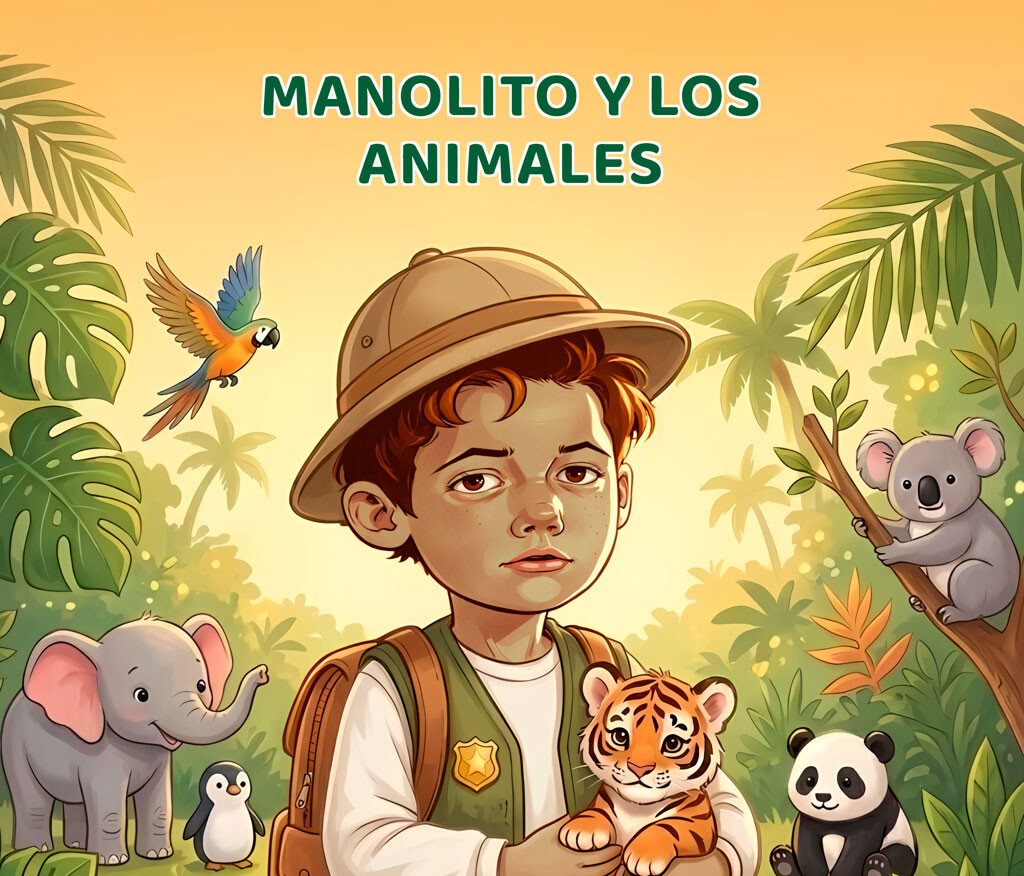
The books are then printed and shipped. While convenient, the results often look uncanny or low-quality, with obvious AI artifacts that many parents find off-putting.
The Conflict: Parents vs. Grandparents
The clash typically follows a pattern: grandparents, excited by the novelty, order these books despite parents' explicit requests not to use their child's photos or data. One Reddit user shared that his mother repeatedly tried to create such a book against his wishes, highlighting a breakdown in communication.
Parents worry about their child's image being used without consent, potential data misuse, and the lack of control over how the AI interprets the photos. Grandparents, on the other hand, view the books as a modern way to create a lasting memory.
Why Parents Are Concerned
Privacy is a major issue. Uploading a child's photo to an unknown server raises questions about data storage and potential misuse. Parents also object to the commercialization of their child's likeness. The longer history behind the story is traced in Valencia's Housing Future: Parent-to-Child Donations Surge 158%.
Additionally, the quality of these books is often poor, with distorted features and unrealistic scenarios. For many parents, the gift feels impersonal and gimmicky rather than thoughtful. The background to this story is set out in 7 Best Gifts for Grandparents (Reviews). A related thread runs through Millennial Mothers Struggle: Why Parenthood Feels Impossible. Earlier coverage in Boomerang Year: Why Adult Children Returning Home Benefits Families shows how the argument developed.
What Grandparents Need to Understand
Grandparents may not realize the implications of sharing a child's image online. It's important to have open conversations about boundaries and respect parents' decisions regarding their children's digital footprint. A closer look at the same subject appears in Trending: latest articles. Anyone following the wider picture can start with AI-Written Books Flood Amazon and Reshape Author Earnings. The same theme surfaces in Best Books to Read in 2026: A Genre-Bending Reading List for the Year Ahead, which takes a different angle.
Alternative gifts, like traditional personalized books with hand-drawn illustrations or photo albums, can be just as meaningful without the ethical concerns. Context on how this played out before sits in Spain's Snack Boom: Sales Hit €3.25 Billion as Diet Shifts. A companion piece, AI Personalized Children's Books Spark Millennial Parent vs Boomer, approaches the same subject from another angle.
Key Takeaways for Families
- AI-personalized books often use children's photos without parental consent.
- Privacy and data security are valid concerns for parents.
- Quality issues make many AI books look uncanny and low-effort.
- Open communication can prevent family conflicts over gift choices.
- Consider traditional personalized gifts that respect boundaries.
Comparing AI Books vs. Traditional Personalized Books
| Feature | AI-Personalized Books | Traditional Personalized Books |
|---|---|---|
| Creation Method | AI-generated from photos | Hand-illustrated or custom text |
| Privacy Risk | High (photo upload required) | Low (no photo needed) |
| Quality | Variable, often uncanny | Consistent, professional |
| Cost | Moderate to high | Moderate |
| Personalization | Face and name | Name and custom story |
FAQ
Are AI-personalized children's books safe?
They can be safe if the company has strong data privacy policies, but many parents are uncomfortable uploading their child's photo to unknown servers. It's essential to research the company and read reviews before using such services.
Why do grandparents like these books?
Grandparents often see them as a fun, modern way to give a unique gift that stars their grandchild. They may not be aware of the privacy concerns or the poor quality of some AI-generated images.
How can parents handle this situation?
Parents should have a calm conversation with grandparents, explaining their concerns about privacy and consent. Suggesting alternative personalized gifts can help maintain harmony while respecting boundaries.
What should I do if a relative gives my child an AI book?
You can thank them for the thought but express your concerns about AI-generated content. If you're uncomfortable, you might choose not to share the book with your child or to discuss it openly with the relative.
The rise of AI-personalized children's books is a symptom of a larger conversation about technology, privacy, and generational differences in parenting. As these tools become more common, families will need to navigate these issues with empathy and clear communication.







