

Venice's €5 billion flood barrier system, known as MOSE, is now considered unsustainable just five years after its activation. The ambitious project, designed to protect the city from acqua alta, is facing obsolescence due to rising sea levels and increasing frequency of extreme events.
The system, which took decades to build and cost billions, may not be the long-term solution Venice hoped for. Experts warn that the barriers, while effective in the short term, are not equipped to handle the accelerating challenges of climate change.
Find Original Home Decor sparking conversation at Grand Goldman Shop.

The MOSE Project: A Brief History
The MOSE project (Modulo Sperimentale Elettromeccanico) was first conceived in the 1980s as a response to the devastating floods of 1966, when water levels reached 194 cm and submerged much of the city. After years of delays, corruption scandals, and cost overruns, the system finally became operational in 2020.
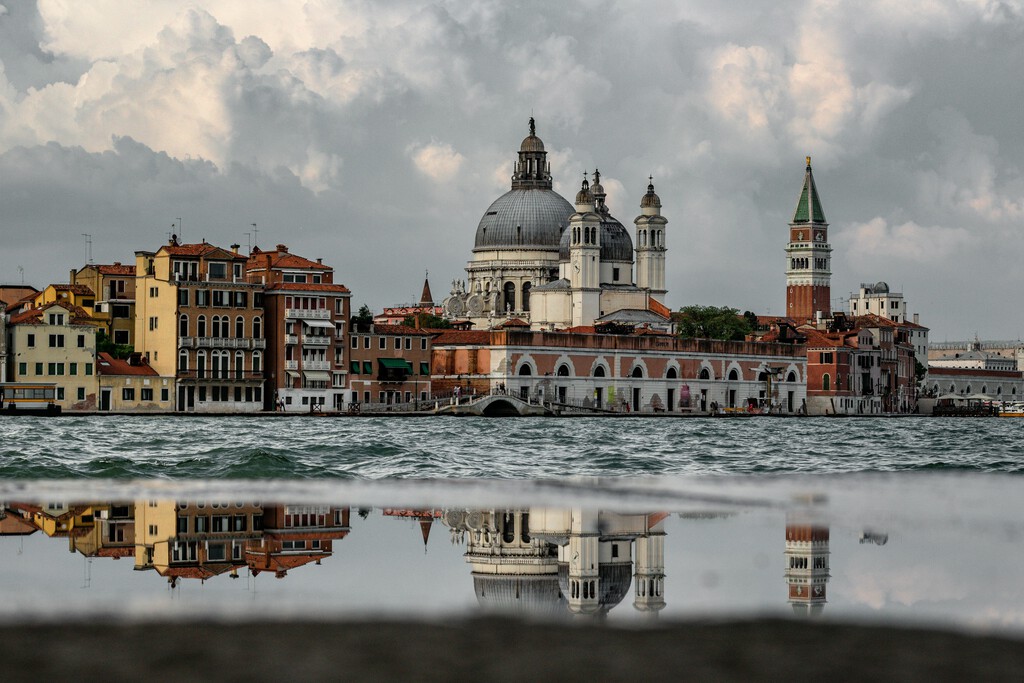
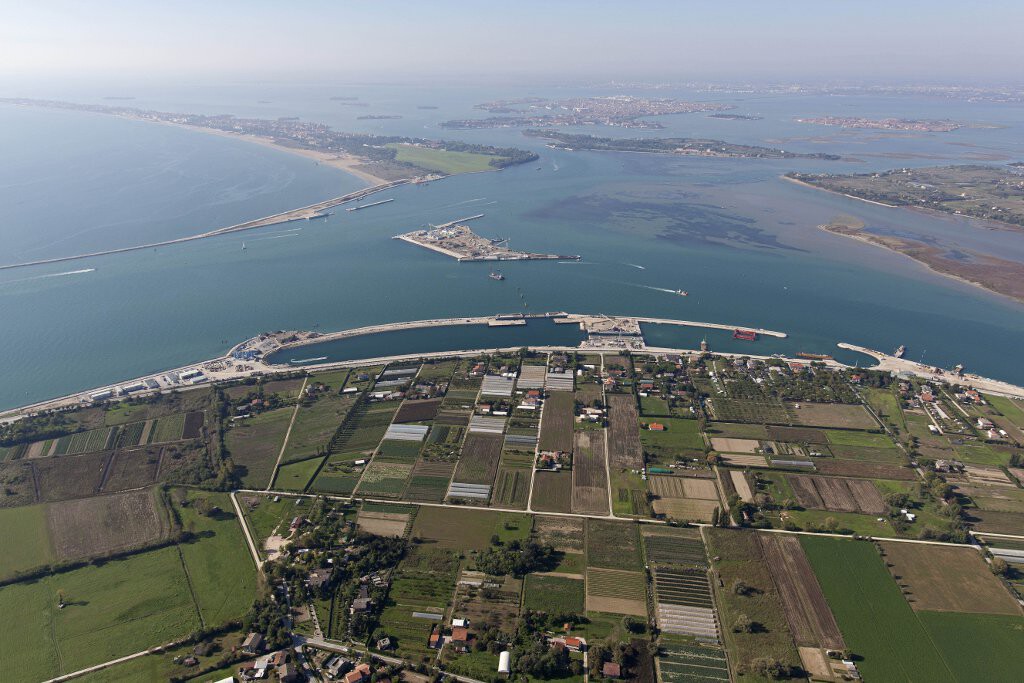
MOSE consists of 78 mobile barriers installed at the three inlets connecting the Venice Lagoon to the Adriatic Sea. When acqua alta is forecast, the barriers rise to block incoming tides, protecting the city from flooding.
The project was hailed as a marvel of engineering, but its limitations are now becoming apparent. The barriers were designed for a sea level rise of about 20 cm, but current projections suggest that by 2100, the Adriatic could rise by up to 1 meter or more.
Why Are the Barriers Considered Unsustainable?
The primary issue is the frequency of activation. The barriers were designed to be raised only a few times a year, but with increasing extreme events, they are being deployed much more often. Each activation costs around €200,000 and takes about 30 minutes to complete.
More importantly, frequent closures of the lagoon inlets disrupt the delicate ecosystem. The barriers prevent the natural exchange of water, which can lead to stagnation, pollution, and damage to marine life. Prolonged closures could turn the lagoon into a stagnant pond, harming the very city they aim to protect.
Additionally, the barriers do not address the gradual sinking of Venice. The city continues to subside at a rate of about 1-2 mm per year, exacerbating the effects of sea level rise. While MOSE can handle temporary high tides, it cannot compensate for the long-term loss of land.
The Rising Threat of Flooding
Recent studies show that extreme flood events are becoming more frequent. In the last decade, Venice has experienced several floods exceeding 140 cm, including the devastating 2019 flood that reached 187 cm and submerged 80% of the city.
Researchers analyzing extreme events—those flooding at least 60% of the city—have found a worrying trend. The frequency of such events has increased significantly in recent years, and climate change is expected to accelerate this trend.
The combination of sea level rise, subsidence, and more intense storms creates a perfect storm for Venice. The barriers, while a technological feat, are a static solution to a dynamic problem.
What Are the Alternatives?
There is no clear consensus on what comes next. Some experts advocate for raising the city's pavements and buildings, while others suggest a managed retreat from the most vulnerable areas. However, both options are extremely costly and socially disruptive.
Another proposal is to enhance the barriers with additional measures, such as pumping sand to raise the lagoon floor or creating artificial reefs to dissipate wave energy. But these are seen as temporary fixes rather than permanent solutions.
What is clear is that Venice needs a long-term strategy that goes beyond MOSE. The city must adapt to the new reality of rising seas, and that will require significant investment and political will.
Who Is Affected?
The immediate impact is on the residents of Venice, who face the prospect of more frequent flooding and the inconvenience of barrier closures. The local economy, heavily reliant on tourism, could suffer if the city becomes less accessible or attractive.
Globally, Venice serves as a cautionary tale for other coastal cities facing similar threats. The challenges of financing, implementing, and maintaining large-scale flood defenses are not unique to Venice. Cities like New York, Shanghai, and Jakarta are watching closely. Context on how this played out before sits in Venice's €5 Billion Flood Barriers Now Deemed Unsustainable.
What to Watch Next
Venice's future depends on a combination of mitigation and adaptation. The city is investing in research on innovative solutions, such as permeable pavements and green infrastructure. However, these are small-scale compared to the scale of the problem. The background to this story is set out in Trending: latest articles. A related thread runs through Valencia Flood Barriers: Up to €500 Subsidy for Home Protection.
The Italian government has allocated funds for further studies, but a comprehensive plan is still lacking. The next few years will be critical in determining whether Venice can remain habitable or faces a gradual decline. Earlier coverage in CIA's Project Azorian: The Secret Mission to Raise a Soviet Sub shows how the argument developed. A closer look at the same subject appears in Sunken 11th-Century Church in Spain Resurfaces Amid Drought.
As the world grapples with climate change, Venice stands at the forefront. The decisions made here will resonate far beyond the lagoon. Anyone following the wider picture can start with El Niño Effect: Sea Level Rise in Peru Signals Strong Event. The same theme surfaces in Cinque Terre Sea Level Rise: A Warning for Spain's Coastal Towns, which takes a different angle.
FAQ
What is the MOSE project?
The MOSE project is a system of mobile barriers designed to protect Venice from flooding. It consists of 78 barriers at the three inlets of the Venice Lagoon that rise to block high tides.
Why are the barriers considered unsustainable?
The barriers are unsustainable because they are being activated more frequently than planned due to climate change, disrupting the lagoon's ecosystem and costing significant amounts per activation. They also do not address the long-term sinking of the city.
How much did the MOSE project cost?
The MOSE project cost approximately €5 billion, making it one of the most expensive flood defense systems in the world.
What are the alternatives to MOSE?
Alternatives include raising pavements and buildings, managed retreat, and enhancing the barriers with additional measures like artificial reefs. However, no comprehensive plan has been agreed upon.







