

The Congo River bridge project is set to connect Kinshasa and Brazzaville, two capitals separated by one of the world's most powerful rivers. For decades, travelers have relied on ferries or flights to cross the border, but a new bridge promises to transform connectivity in Central Africa.
Kinshasa, the capital of the Democratic Republic of the Congo (DRC), and Brazzaville, the capital of the Republic of Congo, are the closest capital cities in the world apart from Rome and Vatican City. Yet despite their proximity—just a few kilometers apart—the two cities have remained largely disconnected due to the lack of infrastructure.
Find Original Home Decor sparking conversation at Grand Goldman Shop.

Why the Congo River Bridge Matters
The bridge is more than just a transport link; it represents a significant step toward regional integration and economic cooperation. The Congo River has long been a natural barrier, forcing people and goods to rely on slow and costly ferries or expensive flights.
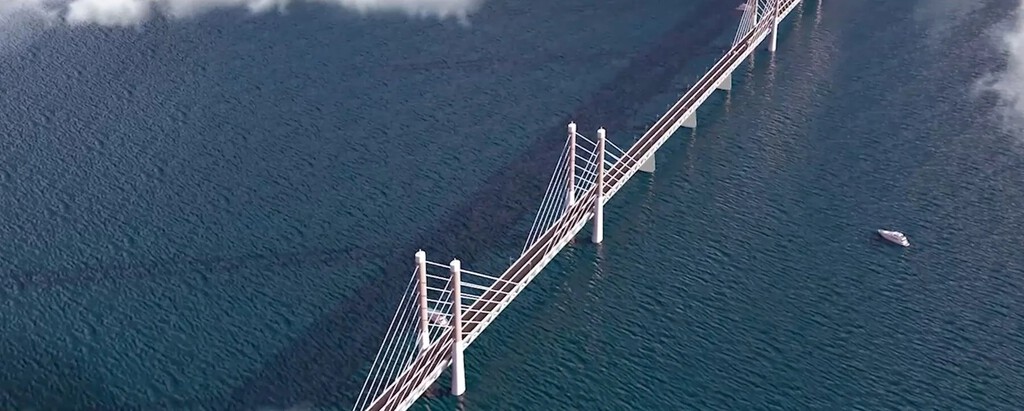
With the new bridge, travel time between the two capitals could shrink from hours to minutes. This would facilitate trade, boost tourism, and improve access to services for millions of residents. It also signals a commitment to overcoming historical divisions and fostering stability in a region that has seen its share of conflict.
- Economic boost: Easier movement of goods and people could stimulate local economies.
- Improved connectivity: The bridge would provide a reliable road link between the two countries.
- Regional integration: Strengthens ties between the DRC and Republic of Congo.
- Social impact: Families and communities separated by the river could interact more easily.
- Infrastructure development: Sets a precedent for future cross-border projects in Africa.
Challenges and Considerations
Building a bridge over the Congo River is no small feat. The river is the second-largest in the world by discharge and poses significant engineering challenges. Additionally, political and financial hurdles must be overcome.
Funding for such a massive infrastructure project will likely require international support. Both governments have expressed interest, but securing the necessary investment and ensuring transparency will be critical. Environmental impact assessments are also essential to protect the river's ecosystem.
Engineering Feasibility
The bridge's design must account for the river's width, depth, and strong currents. Engineers will need to develop a structure that can withstand these conditions while remaining cost-effective. Lessons from other major river crossings in Africa could inform the project.
Political Will
Cooperation between the DRC and Republic of Congo is essential. Both countries have historically had complex relations, but the bridge project could serve as a catalyst for closer ties. Regional organizations like the African Union may play a role in facilitating dialogue.
Comparing Travel Options
Currently, travelers between Kinshasa and Brazzaville have limited options. The table below compares the existing modes of transport with the proposed bridge.
| Mode | Average Time | Cost | Reliability |
|---|---|---|---|
| Ferry | 30-60 minutes | Moderate | Weather-dependent |
| Flight | 20 minutes | High | Subject to schedules |
| Proposed Bridge | 10-15 minutes | Low (toll) | High |
The Bigger Picture: Africa's Infrastructure Gap
The Congo River bridge is part of a broader trend of infrastructure development across Africa. Many countries are investing in roads, railways, and bridges to unlock economic potential and improve the lives of their citizens. The background to this story is set out in Panama Earthquake 2025: 7.7 Magnitude Strikes Capital. A related thread runs through Trending: latest articles. Earlier coverage in Tren Maya Economic Boom Fails to Materialize in Yucatan shows how the argument developed.
However, such projects often face challenges like funding shortages, political instability, and corruption. The success of the Congo River bridge could serve as a model for future cross-border initiatives, demonstrating that cooperation and careful planning can overcome these obstacles. A closer look at the same subject appears in Dubai's Drone Defense: Giant Cages Protect Oil Infrastructure. Anyone following the wider picture can start with Iran's Submarine Cable Toll Plan in Strait of Hormuz. The same theme surfaces in Helsinki Opens World's Longest Pedestrian and Tram Bridge, which takes a different angle.
For businesses, the bridge could open up new markets and reduce logistics costs. For individuals, it could mean access to jobs, education, and healthcare on the other side of the river. The potential is immense. Context on how this played out before sits in Ukraine Drone Strike Hits Kerch Bridge, Disrupts Crimea Traffic.







