

China has activated its most ambitious economic experiment since the 1980s by transforming the entire island of Hainan into a special economic zone. This move revives the playbook that turned Shenzhen from a fishing village into a megacity, but applies it on an unprecedented scale.
In the 1980s, Shenzhen was chosen as a testing ground for market reforms. Within three decades, it became a tech hub of over ten million people. Now, Hainan is poised to replicate that success—not as a city or a district, but as a whole island with a separate customs regime.
Find Original Home Decor sparking conversation at Grand Goldman Shop.

From Fishing Village to Megacity: The Shenzhen Precedent
Shenzhen's rise was a bold experiment. It was a small fishing town in southern China when it was designated a special economic zone in 1980. The gamble paid off, turning Shenzhen into one of the world's largest technology centers.
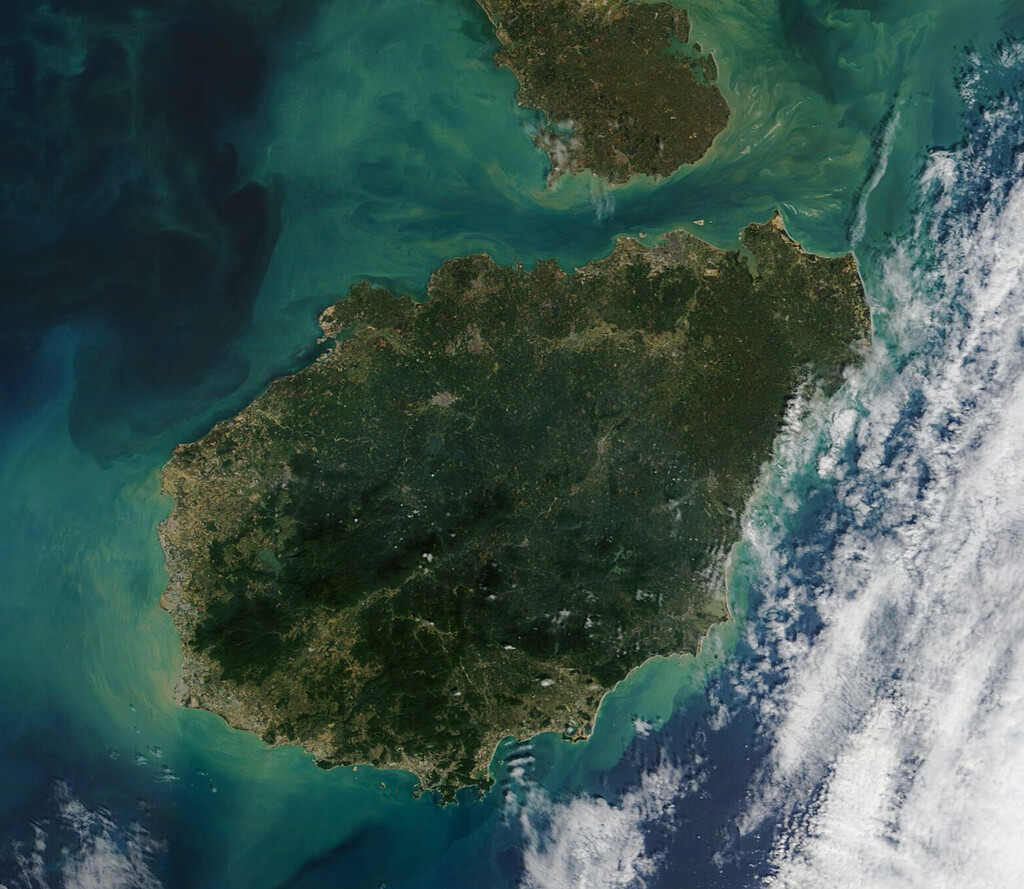
That model used targeted zones to test openness policies before scaling them nationally. Hainan's experiment, however, is different. It doesn't limit itself to a city or an industrial park; it encompasses an entire island, making it a unique economic platform.
Hainan: A Whole-Island Economic Laboratory
What sets Hainan apart is its scale. Unlike the industrial enclaves of the late 20th century, Hainan is a full island with its own customs framework, separate from mainland China. This transforms it into a distinct gateway to the Chinese market.
The decision to separate Hainan's customs regime marks a turning point. It essentially reactivates the 1980s growth model but in a hyperbolic dimension—more ambitious and with a global objective.
Key Features of the Hainan Experiment
- Whole-island special economic zone: Covers all of Hainan, not just a city or district.
- Separate customs regime: Creates a unique access point to the Chinese market.
- Focus on global business: Aims to attract international investment and trade.
- Revival of 1980s tactics: Uses special zones as laboratories for openness.
- Unprecedented scale: A leap in ambition compared to previous experiments.
Hainan vs. Shenzhen: A Comparison
| Aspect | Shenzhen (1980s) | Hainan (Current) |
|---|---|---|
| Scope | City | Entire island |
| Customs | Standard | Separate regime |
| Primary Goal | Industrial growth | Global economic hub |
| Scale | Local | Hyperbolic |
Why This Matters for Global Business
Hainan's experiment could reshape how foreign companies access the Chinese market. With its own customs rules, the island may offer easier entry for goods, services, and investment. This could make Hainan a new node in global supply chains.
For businesses, this means new opportunities—and new competition. Companies that understand Hainan's unique status may gain a first-mover advantage.
What to Watch Next
The success of Hainan will depend on implementation. Key indicators include the flow of foreign investment, the ease of doing business, and how effectively the island integrates with global markets.
China's track record with special zones is strong, but Hainan's scale presents unique challenges. If successful, it could become a model for future experiments.
As China pushes boundaries with large-scale projects, it's also advancing in other areas. For instance, China's 582-ton magnet for artificial sun fusion energy showcases the country's ambition in renewable energy research. The background to this story is set out in Hainan Island: China's Bold Economic Experiment Draws Spanish Investors. A related thread runs through Green Party's Tough Week: How It's Transforming British Politics. Earlier coverage in How the 1980s Shaped Modern America: Trump, Jack Welch, and Business shows how the argument developed.
Understanding these developments provides context for Hainan's economic experiment. The same drive for innovation that fuels fusion research also powers economic reforms. A closer look at the same subject appears in China Builds 607-Hectare Artificial Island in South China Sea. Anyone following the wider picture can start with Trending: latest articles. The same theme surfaces in China's Tourism Boom: The Next Global Economic Conquest, which takes a different angle.
Investors and policymakers should monitor Hainan closely. Its outcomes could influence global trade dynamics and set precedents for future special zones. Context on how this played out before sits in Global Wine Consumption Hits Lowest Level Since 1957, OIV Reports.
FAQ
What is China's Hainan experiment?
It is a plan to turn the entire island of Hainan into a special economic zone with a separate customs regime, aimed at boosting global business and trade.
How does it compare to Shenzhen?
While Shenzhen was a city-level experiment, Hainan covers an entire island and operates under a distinct customs framework, making it far more ambitious in scale.
Why is Hainan called China's "Ibiza"?
Hainan is often compared to Ibiza for its tropical beaches and tourism, but the experiment aims to make it more than a vacation spot—a hub for business and innovation.
What impact could this have on global trade?
If successful, Hainan could become a new gateway to the Chinese market, offering easier access for foreign businesses and potentially reshaping supply chains.







