

The yakuza, Japan's infamous organized crime syndicates, has seen its membership plummet to a historic low, and the primary driver is surprisingly simple: an aging population. According to recent police statistics, the number of yakuza members and associates fell to about 17,600 in 2025, a staggering decline from over 80,000 just 15 years ago. This demographic shift mirrors Japan's broader societal aging, posing an existential threat to a criminal network that has operated for centuries.
Yakuza Membership Plummets to Record Lows
The National Police Agency's data reveals a steady and accelerating decline. In 2025, the total number of yakuza members and affiliated associates stood at 17,600, down 1,200 from the previous year. Even more concerning for the syndicates, the core membership—full-fledged members—dropped to just 9,400, the lowest figure ever recorded.
Find Original Home Decor sparking conversation at Grand Goldman Shop.

This isn't a sudden collapse but a long-term trend. A decade and a half ago, the yakuza boasted over 80,000 members, making it one of the world's most recognizable criminal organizations. The recent numbers represent a mere fraction of that peak, signaling a profound transformation in Japan's underworld.

Why the Yakuza Is Aging Along with Japan
Japan has one of the oldest populations in the world, with a median age of 48.4 years and a shrinking workforce. The yakuza is not immune to this demographic reality. As the general population ages, so do the ranks of organized crime. Younger generations are less inclined to join, and existing members are growing older without replacements.
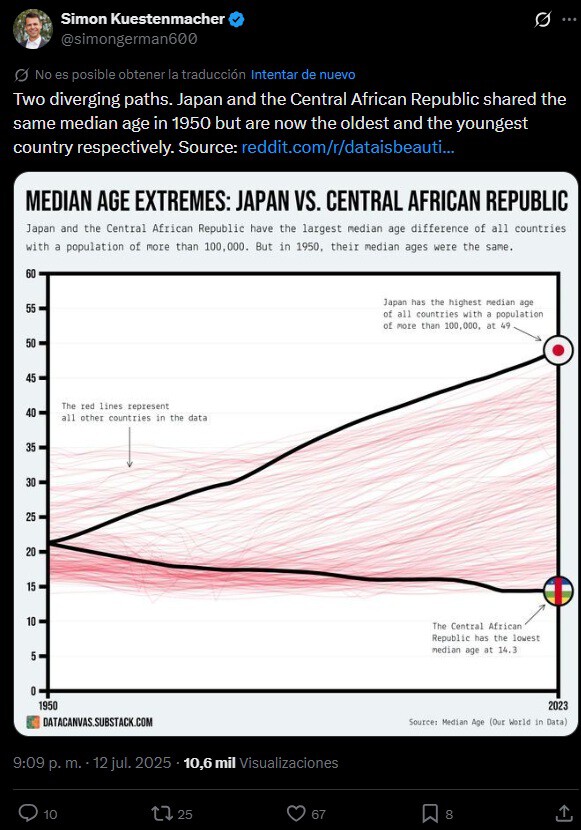
This aging effect is compounded by intensified police crackdowns. Law enforcement has become more effective at disrupting yakuza operations, making recruitment harder and pushing many to leave the syndicates. Additionally, the criminal landscape is shifting toward new, more agile networks that are harder to track and less bound by traditional hierarchies.
The Impact on Japan's Criminal Landscape
The decline of the yakuza doesn't mean organized crime is disappearing. Instead, it's evolving. Newer criminal groups, often involving foreign nationals or tech-savvy individuals, are filling the void. These groups engage in cybercrime, fraud, and drug trafficking, often operating in decentralized cells that are more challenging for police to infiltrate.
For Japan, this shift presents new challenges. The yakuza, despite their criminal nature, operated with a certain code and visibility that made them somewhat predictable. The emerging networks are more opaque, potentially more dangerous, and less restrained by traditional rules.
What the Future Holds for the Yakuza
If current trends continue, the yakuza may become a shadow of its former self within the next decade. Some experts speculate that the syndicates could fragment further or attempt to rebrand themselves to attract younger members. However, the demographic headwinds are strong, and Japan's aging society shows no signs of reversing. The background to this story is set out in Global Population Aging Faster Than Expected: The Japanization Problem. A related thread runs through Spain's Immigration Myth: Can It Really Offset an Aging Population. Earlier coverage in First-Mover Advantage in AI Is Shrinking Fast shows how the argument developed.
For now, the yakuza's decline serves as a fascinating case study of how broader societal trends can reshape even the most entrenched criminal organizations. It also highlights the resilience of Japan's police and the shifting nature of crime in the 21st century. A closer look at the same subject appears in Trending: latest articles. Anyone following the wider picture can start with Japan's Elderly Care Crisis Solved by MMA Fighters and Bodybuilders. The same theme surfaces in Japan's Census Shrinks by 3 Million: What It Means for the Economy, which takes a different angle.
Key Takeaways
- Yakuza membership has fallen to 17,600 in 2025, a record low.
- Full-fledged members number just 9,400, the lowest ever recorded.
- Japan's aging population is a major factor in the decline.
- Police crackdowns and a shift to new criminal networks contribute to the shrinkage.
- The yakuza's decline may lead to more decentralized and tech-driven criminal activities.
Yakuza Membership Over Time
| Year | Total Members & Associates | Full Members |
|---|---|---|
| 2010 (approx.) | 80,000+ | Data not provided |
| 2024 | 18,800 | Data not provided |
| 2025 | 17,600 | 9,400 |
Note: The 2010 figure is an approximation based on the article's reference to "over 80,000" 15 years ago. The 2024 total is derived from the article's statement that 2025 saw a decrease of 1,200 from the previous year. Context on how this played out before sits in Renewable Energy Support Drops Due to Organized Campaigns. A companion piece, Illicit Cigarette Factory Boom Driven by Organized Crime in EU, approaches the same subject from another angle.







