

Off the coast of Galicia, Spain, an estimated 220,000 barrels of nuclear waste have been sitting on the Atlantic seabed for decades. Now, researchers have discovered that these barrels are in an advanced state of deterioration, raising serious concerns about environmental and human health risks.
The finding comes from the Nodssum Project, now on its third expedition, which has been investigating a massive underwater dumpsite located about 300 nautical miles from Cape Finisterre.
Find Original Home Decor sparking conversation at Grand Goldman Shop.

What Is the Galicia Nuclear Dumpsite?
The dumpsite is a legacy of Europe's early nuclear era. From 1946 until the early 1990s, ships from Britain, the Netherlands, Belgium, France, and other European countries dumped low- and intermediate-level radioactive waste into the Atlantic Ocean.
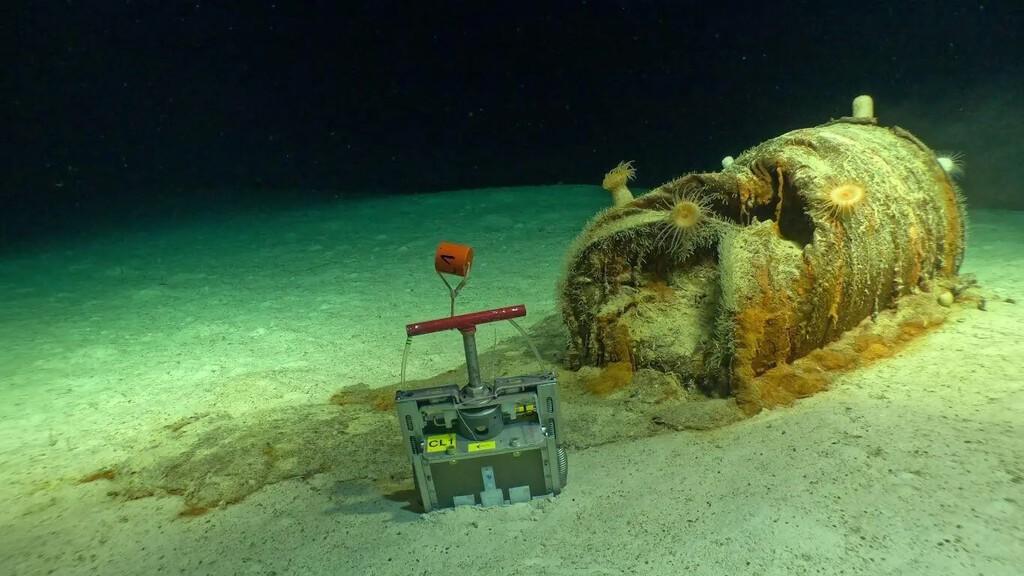
The waste is concentrated in an area of roughly 10,000 square kilometers, at depths of 4,000 to 5,000 meters. For decades, it was almost a legend among activists and oceanographers—a giant landfill of hundreds of thousands of radioactive drums abandoned on the abyssal plain.
What Did Researchers Discover?
French scientific missions have located thousands of barrels using manned submarines, photographed leaks, and measured radionuclides above expected levels. Of the 220,000 barrels dumped, only about 1,000 were originally found. The rest—some 100,000 tons of nuclear waste—lay on the seabed, dragged by currents, their contents scattered.
Now, with just over 3,500 barrels located, researchers from the Centre National de la Recherche Scientifique (CNRS) conclude that they are suffering an "advanced state of deterioration." This means the barrels are corroding and may be releasing radioactive material into the ocean.
Why Does This Matter?
The discovery matters for several reasons. First, the barrels are not safely contained; they are deteriorating and could leak more radioactive substances into the marine environment. Second, the area is not devoid of life as once thought—deep-sea ecosystems exist there and could be affected.
Third, the sheer scale of the dumpsite makes remediation extremely challenging. The barrels are scattered over a vast area and at great depths, making recovery difficult and costly.
Key Takeaways
- An estimated 220,000 barrels of nuclear waste were dumped off the coast of Galicia between 1946 and the early 1990s.
- Only about 3,500 barrels have been located, and they are in an advanced state of deterioration.
- Researchers have measured radionuclides above expected levels, indicating leaks.
- The dumpsite covers 10,000 square kilometers at depths of 4,000–5,000 meters.
- Deep-sea life exists in the area and could be at risk from radioactive contamination.
Comparison of Dumping Practices
| Country | Estimated Barrels Dumped | Period |
|---|---|---|
| United Kingdom | ~100,000 | 1946–1982 |
| France | ~50,000 | 1950s–1969 |
| Netherlands | ~20,000 | 1960s–1980s |
| Belgium | ~10,000 | 1960s–1980s |
| Others | ~40,000 | Various |
Note: Figures are approximate and based on historical records.
What Are the Risks?
The primary risk is radioactive contamination of the marine environment. As the barrels corrode, radionuclides such as plutonium and americium could leak into the water and accumulate in sediment and marine organisms.
This could affect the food chain, potentially impacting fish stocks and human seafood consumers. However, the exact level of risk is still being studied. The background to this story is set out in Nuclear Waste Storage in Spain: Why One Town Said. A related thread runs through US Buried Nuclear Waste in a Remote Atoll, But Sea Level Rise Threatens. Earlier coverage in Teen Turns Industrial Barrels into Rain Barrels to Save 170,000 Liters shows how the argument developed.
What Needs to Happen Next?
Scientists are calling for further monitoring and assessment. The Nodssum Project plans additional expeditions to map the dumpsite and study the extent of the leakage. A closer look at the same subject appears in Documentary Exposes Fight to Save Indigenous Land from Nuclear Waste. Anyone following the wider picture can start with Cortegada Island in Galicia: The World's Densest Fungal Hotspot. The same theme surfaces in Hurricane Risk in Spain: Why Galicia Faces Growing Threat, which takes a different angle.
There is also a need for international cooperation to address the legacy of ocean dumping. While the practice was banned in the 1990s, the waste remains a transboundary issue. Context on how this played out before sits in Giant Guillotine in Galicia Village: The Mystery Behind Trasanquelos. A companion piece, Wealth Concentration in Galicia: More Owners Hold Multiple Properties, approaches the same subject from another angle.
FAQ
How many nuclear barrels are off the coast of Galicia?
An estimated 220,000 barrels were dumped, but only about 3,500 have been located. The rest are scattered on the seabed.
Who dumped the nuclear waste?
Several European countries, including the UK, France, the Netherlands, and Belgium, dumped radioactive waste into the Atlantic from 1946 to the early 1990s.
What is the current state of the barrels?
Researchers from CNRS have found that the barrels are in an advanced state of deterioration, with leaks and elevated radionuclide levels detected.
What are the risks to marine life?
Radioactive contamination could affect deep-sea ecosystems and potentially enter the food chain, though the full extent is still under investigation.







