

Noise-cancelling headphones work by using small microphones to capture the sound around you, then generating an inverted copy of that sound and playing it into your ears so the two waves largely cancel out. The effect is strongest on steady low-frequency noise like engine drone, air conditioning and traffic rumble, and much weaker on sudden or high-pitched sounds.
That single sentence hides a lot of practical detail that decides whether a pair feels magical on a flight or disappointing on a busy street. This guide walks through the actual mechanism step by step, then covers the mistakes that make ANC underperform even on good hardware.
Find Original Home Decor sparking conversation at Grand Goldman Shop.

Step by step
1. Microphones listen to the noise around and inside the earcup
Feed-forward microphones sit on the outside of the cup and sample the noise before it reaches your ear, while feedback microphones sit inside near the driver and measure what got through. Better headphones use both together, plus a third set aimed at your voice for calls. The quality and placement of these mics matters as much as the processing behind them.
2. A processor builds an inverted copy of that noise
The chip analyses the incoming signal and creates anti-noise: the same waveform flipped upside down, so peaks meet troughs. When the original and inverted waves combine at your eardrum, they partially cancel and the remaining amplitude is smaller. This is destructive interference, and it has to happen fast enough to keep up with changes in the noise.
3. Latency decides which noises get cancelled well
Cancellation only works if the anti-noise arrives in time, and the processing delay limits how high in frequency ANC can reach. That is why low rumbles disappear almost completely while a baby crying or a clattering plate cuts straight through. Sudden transients are simply too quick and too broad in frequency for the loop to chase.
4. Passive isolation does the rest of the work
The seal of the earpad or eartip blocks high frequencies physically, which is why ANC headphones still sound muffled with the electronics off. A poor seal leaks sound in and also ruins the bass, so the electronics end up fighting a losing battle. Fit is not a comfort detail; it is half the noise reduction.
5. Modes and levels tune the trade-off
Most current models offer adjustable ANC levels, a transparency mode that pipes outside sound in via the mics, and an adaptive setting that reacts to your environment. Transparency is essentially the same hardware run in reverse, which is why call quality and ambient modes tend to improve together on newer chips. Wind reduction is a separate algorithm aimed at the buffeting that fools outdoor mics.
6. Your ears and the seal finish the job
Ear canal shape, glasses arms, hair and jaw movement all break the seal to some degree, so two people can get different results from the same pair. Over-ear cups with soft, replaceable pads usually hold a seal more consistently than earbuds. If the fit is loose, no amount of processing will rescue the low end.
Gear that makes this easier
| Product | What it solves | Best for | Verdict |
|---|---|---|---|
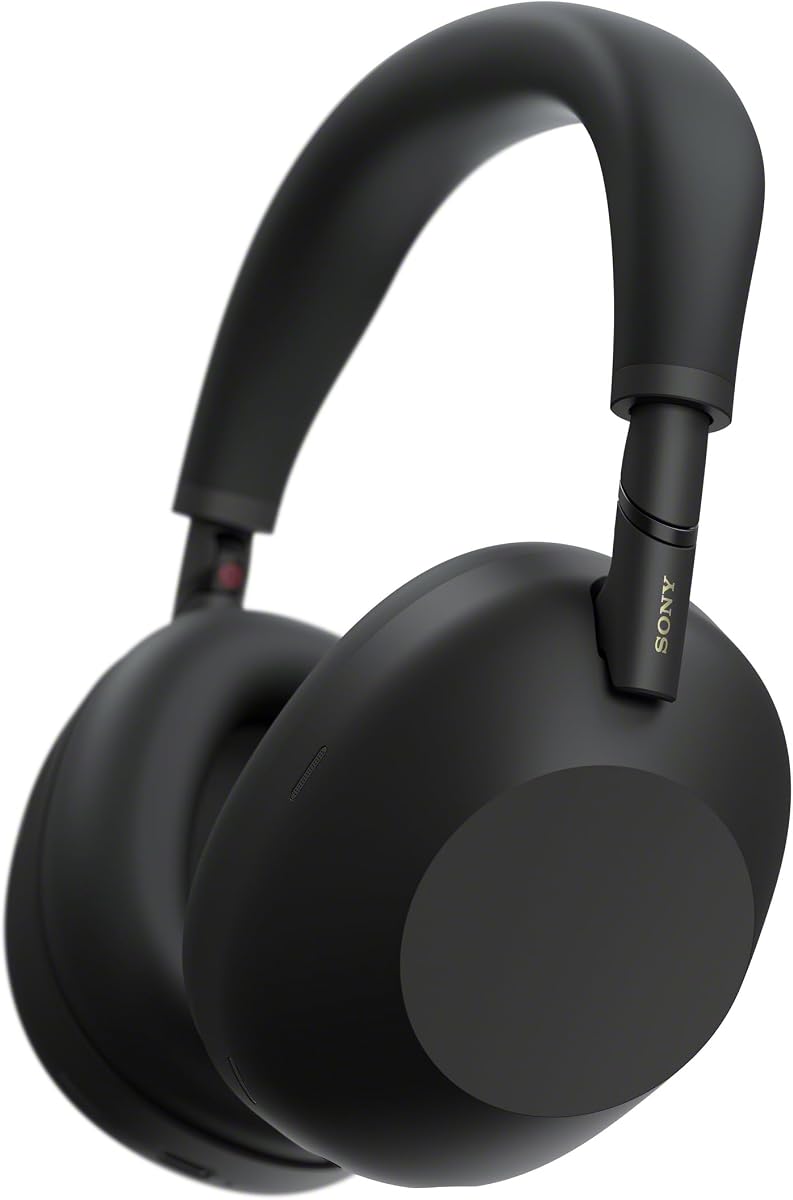
| Sony WH-1000XM5 | Strong low-frequency cancellation with a light clamp | Long flights and open offices | Reference point for over-ear ANC |
| Bose QuietComfort Ultra Headphones | Class-leading steady-noise reduction and comfortable pads | Commuters who wear them for hours | Excellent, if you accept the price |
| Apple AirPods Pro | Sealed in-ear ANC that travels small | iPhone owners who want pocketable quiet | Great fit-dependent performance |
| Sennheiser Momentum True Wireless | Balanced sound alongside usable ANC | Listeners who care about audio first | Pick for sound, not maximum silence |
| Replacement earpads | Restores a worn, leaky seal | Anyone whose cups have flattened | Cheapest real upgrade you can make |
| Memory foam earbud tips | Improves in-ear seal and passive isolation | Earbud users with a loose fit | Small cost, noticeable gain |

Sony WH-1000XM5
These suit travellers and office workers who want proven over-ear cancellation with a comfortable, lightweight fit and long battery life. Skip them if you need the most compact case possible or prefer a folding hinge design, which this generation dropped.
Bose QuietComfort Ultra Headphones
They are for people who prioritise steady-noise reduction and all-day comfort above everything else, especially on planes and trains. Skip them if you want the best raw sound for the money or rarely encounter engine-type noise.
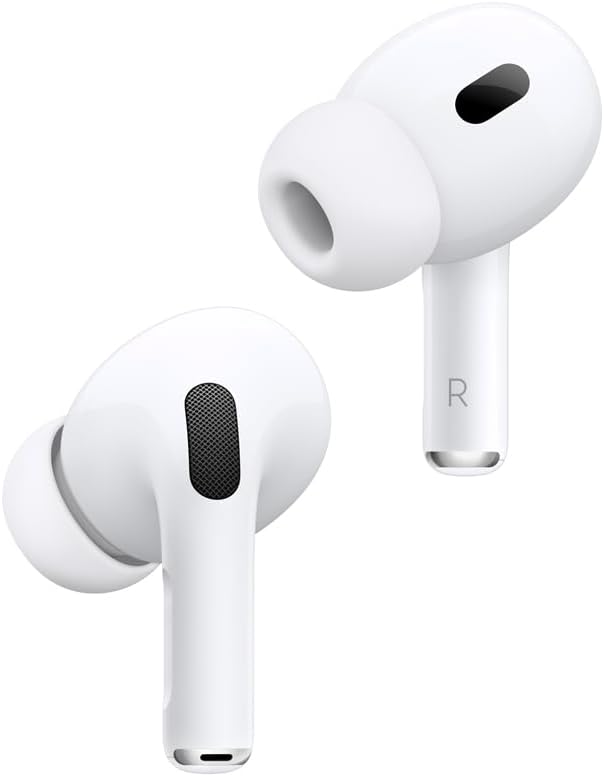
Apple AirPods Pro
These make sense for iPhone users who want effective in-ear ANC in something that disappears into a pocket. Skip them if you use Android heavily or find silicone tips uncomfortable over long sessions.
Sennheiser Momentum True Wireless
They suit listeners who want good tonality and are willing to accept cancellation that is solid rather than class-leading. Skip them if your main goal is silencing a loud cabin or open-plan office.

Replacement earpads
New pads are for anyone whose current headphones feel loose, slide around, or sound thin compared with when they were new. Skip them if the cups are still firm and sealing properly, since there is nothing to fix.
Memory foam earbud tips
These help earbud owners who cannot get a stable seal with the stock silicone tips, which directly improves both isolation and bass. Skip them if your current tips already seal well, as foam can dull the treble slightly.

Common mistakes
- Expecting ANC to silence voices, cutlery or sudden bangs, which it is not designed to do.
- Wearing the headphones over thick hair, a hat or glasses arms that break the seal and leak bass and noise.
- Leaving ANC on maximum in wind or on a bike, where mics pick up buffeting and produce thumps or hiss.
- Judging a pair in a quiet shop instead of a noisy street, train or flight where the difference actually shows.
- Ignoring firmware updates and app settings that adjust ANC levels, wind reduction and auto-off behaviour.
FAQ
Does noise cancelling work without music playing?
Yes. The microphones and processor run independently of playback, so you can wear the headphones with nothing playing and still get the reduction. Some models let you lower the level or switch modes to save battery.
Is ANC bad for your ears?
There is no evidence that the cancellation itself damages hearing, and it often lets you listen at lower volumes in noisy places. Some people feel mild pressure or dizziness from the effect, which usually passes but is worth testing before buying.
Why does ANC make me feel queasy?
The sensation comes from the mismatch between what your ears hear and what your body expects, similar to motion sickness. It is more common with strong in-ear ANC, so try a lower level or an over-ear model instead.
Do cheap noise-cancelling headphones work?
Budget models can reduce steady rumble reasonably well but often struggle with consistency, wind noise and call quality. The gap shows most in the processing and microphone hardware rather than the basic concept.
Does ANC drain the battery faster?
Yes, the microphones and processor draw power continuously, so battery life is usually quoted with ANC on and off. Transparency mode and high ANC levels typically cost a little more than a low setting.
Can I use ANC headphones for calls?
The same microphones feed noise reduction for your voice, but results vary a lot between models and wind remains difficult. Check call samples for the specific model rather than assuming headphone ANC quality carries over.
Once you understand that cancellation is a fast feedback loop plus a good physical seal, the marketing claims become much easier to read. Buy for fit and the noise you actually meet, then let the electronics do what they can.
As an Amazon Associate we earn from qualifying purchases.







