

Blue Origin has achieved a major milestone by successfully reusing the booster of its New Glenn rocket, a feat previously accomplished only by SpaceX. This development marks a significant step forward for Jeff Bezos's space company as it seeks to compete more directly with Elon Musk's SpaceX.
The launch, which took place on Sunday, April 19, comes after Blue Origin first recovered a New Glenn booster in November. However, the mission was not without its flaws: the satellite payload was placed into the wrong orbit, highlighting that there is still work to be done.
Find Original Home Decor sparking conversation at Grand Goldman Shop.

What Happened: A Historic Reflight
On April 19, Blue Origin launched a New Glenn rocket using a previously flown booster. The booster had been recovered in November, and its reuse represents the first time the company has reflown a booster from its orbital-class rocket. The launch itself was successful, but the upper stage failed to deliver its payload to the intended orbit.
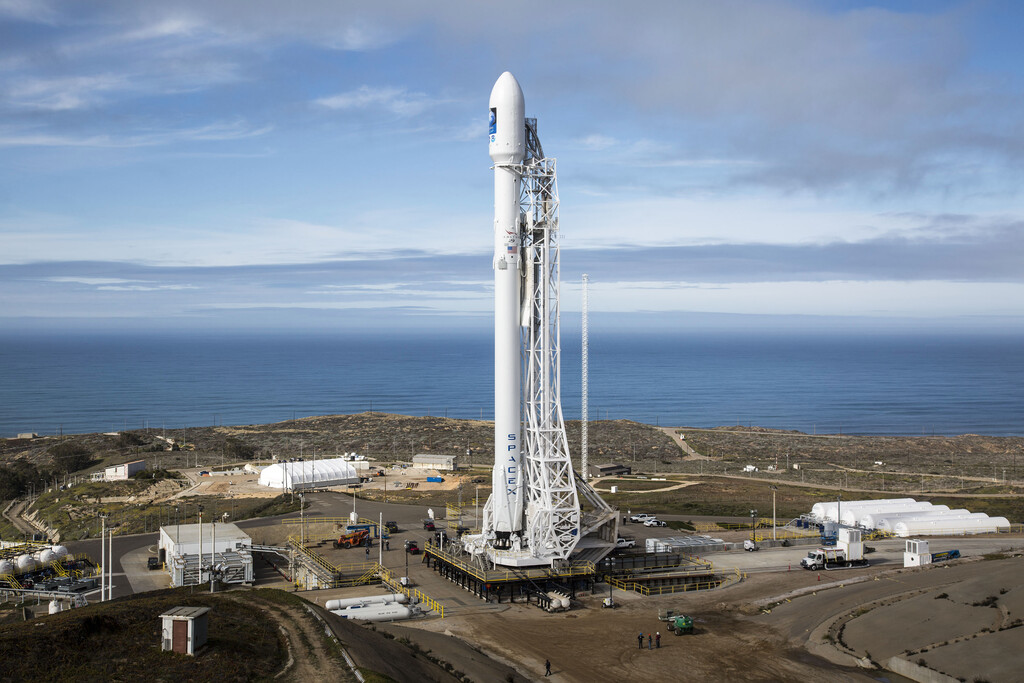
This achievement is a critical step for Blue Origin, which has been working to match SpaceX's routine reuse of Falcon 9 boosters. Until now, Blue Origin had only reused boosters from its suborbital New Shepard vehicle, a much smaller rocket used for space tourism.
Why It Matters: Closing the Gap with SpaceX
Reusability is key to reducing the cost of space access, and SpaceX has dominated this arena with its Falcon 9 and Falcon Heavy rockets. By demonstrating New Glenn booster reuse, Blue Origin signals that it can compete on cost and cadence.
Moreover, this success comes as Blue Origin is also making strides in the race to the Moon. The company is developing the Blue Moon lander, which is one of the contenders for NASA's Artemis program. A reliable, reusable rocket like New Glenn is essential for supporting lunar missions.
- Reusability milestone: First reuse of a New Glenn booster, matching a capability only SpaceX had demonstrated.
- Payload mishap: The satellite was placed in the wrong orbit, indicating technical challenges remain.
- Competitive pressure: Blue Origin is positioning itself as a serious rival to SpaceX in both commercial launches and lunar exploration.
- Path to the Moon: New Glenn's reusability is crucial for cost-effective lunar missions and Blue Origin's Blue Moon lander.
The Road to Reusability: A Long Time Coming
Blue Origin's journey to reusable orbital rockets has been lengthy. The company began developing New Glenn in the early 2010s, but the rocket's first flight did not occur until 2025. The November recovery was a major step, and now the reuse has been achieved.
However, the incorrect orbit insertion of the payload is a reminder that mastering all aspects of orbital launch is complex. SpaceX experienced similar issues in its early days, but has since refined its processes to achieve high reliability.
What Went Wrong: Payload Orbit Anomaly
While the booster performed as expected, the upper stage failed to place the satellite into the correct orbit. Blue Origin has not yet disclosed the cause of the anomaly. This setback means that the mission's primary payload may not be able to fulfill its intended purpose.
Such anomalies are not uncommon in rocket development, but they underscore the challenges of achieving consistent success. Blue Origin will need to investigate and rectify the issue to maintain customer confidence.
Comparison: Blue Origin vs. SpaceX
| Feature | Blue Origin New Glenn | SpaceX Falcon 9 |
|---|---|---|
| First orbital launch | 2025 | 2010 |
| First booster recovery | November 2025 | December 2015 |
| First booster reuse | April 2026 | March 2017 |
| Reuse cadence | 1 (so far) | Routine (100+ reflights) |
| Payload capacity to LEO | ~45 tonnes | ~22.8 tonnes |
As the table shows, Blue Origin is significantly behind SpaceX in terms of experience and cadence. However, New Glenn is a larger rocket with greater payload capacity, which could give it an edge for certain missions. The background to this story is set out in SpaceX and Blue Origin's Mega-Rocket Obsession May Be a Costly Mistake. A related thread runs through Blue Origin New Glenn Rocket Explosion: Bezos Says It Was Worth. Earlier coverage in Blue Origin New Glenn Explosion: Bezos's 2026 Hopes Dashed shows how the argument developed.
What to Watch Next
Blue Origin is expected to investigate the payload anomaly and return to flight as soon as possible. The company aims to increase launch frequency and eventually achieve routine reuse. Additionally, the success of New Glenn is closely tied to Blue Origin's ambitions in the lunar race. A closer look at the same subject appears in China Recovers Rocket First Stage Like SpaceX and Blue Origin. Anyone following the wider picture can start with Blue Origin New Glenn Explosion: A Setback for Jeff Bezos in Space Race. The same theme surfaces in SpaceX Engineers Warn Blue Origin's New Glenn Timeline Is Too Optimistic, which takes a different angle.
With NASA's Artemis program aiming to return humans to the Moon, Blue Origin's Blue Moon lander is a key part of the plan. A reliable New Glenn rocket will be essential for delivering cargo and crew to lunar orbit. Context on how this played out before sits in SpaceX to Attempt Full Starship Recovery and Reuse. A companion piece, Blue Origin New Glenn Rocket Grounded After Launch Failure, approaches the same subject from another angle.
FAQ
What did Blue Origin achieve with the New Glenn booster?
Blue Origin successfully reused a New Glenn booster for the first time, launching a mission on April 19. This makes it the second company, after SpaceX, to reuse an orbital-class rocket booster.
Why was the payload placed in the wrong orbit?
The cause of the orbit anomaly is not yet known. Blue Origin has not released details, but the upper stage likely experienced an issue that prevented it from delivering the satellite to the intended orbit.
How does this affect the competition with SpaceX?
While Blue Origin has demonstrated reusability, SpaceX remains far ahead in terms of operational experience and launch cadence. However, Blue Origin's progress increases competitive pressure and could lead to more innovation and lower costs in the space industry.
What is Blue Origin's role in lunar exploration?
Blue Origin is developing the Blue Moon lander, which is a contender for NASA's Artemis program. The New Glenn rocket will be used to launch lunar missions, making its reusability crucial for cost-effective exploration.







